2026 Top Aluminum Profile Door Trends for Global Buyers?
As the demand for modern architectural solutions grows, the Aluminum Profile Door market is evolving rapidly. According to industry reports, the global aluminum door market is expected to reach approximately $75 billion by 2026, reflecting a compound annual growth rate of around 5%. This growth is driven by the increasing popularity of energy-efficient and sustainable building materials. Aluminum Profile Doors, known for their durability and sleek design, play a pivotal role in this trend.
However, with the increase in popularity, buyers face challenges. Quality discrepancies and varying standards can be overwhelming. Not all manufacturers uphold the same level of expertise. It becomes crucial for global buyers to research and differentiate reliable suppliers. Reports indicate that nearly 30% of buyers experienced dissatisfaction due to misaligned expectations related to product performance.
In 2026, the focus on innovation will be paramount. Features such as enhanced thermal insulation and smart technology integration are set to dominate the market. Buyers must remain vigilant and prioritize suppliers with proven expertise in aluminum construction. Despite the potential pitfalls, the future for Aluminum Profile Doors is promising, paving the way for innovative designs and enhanced functionality.
Emerging Trends in Aluminum Profile Door Designs for 2026
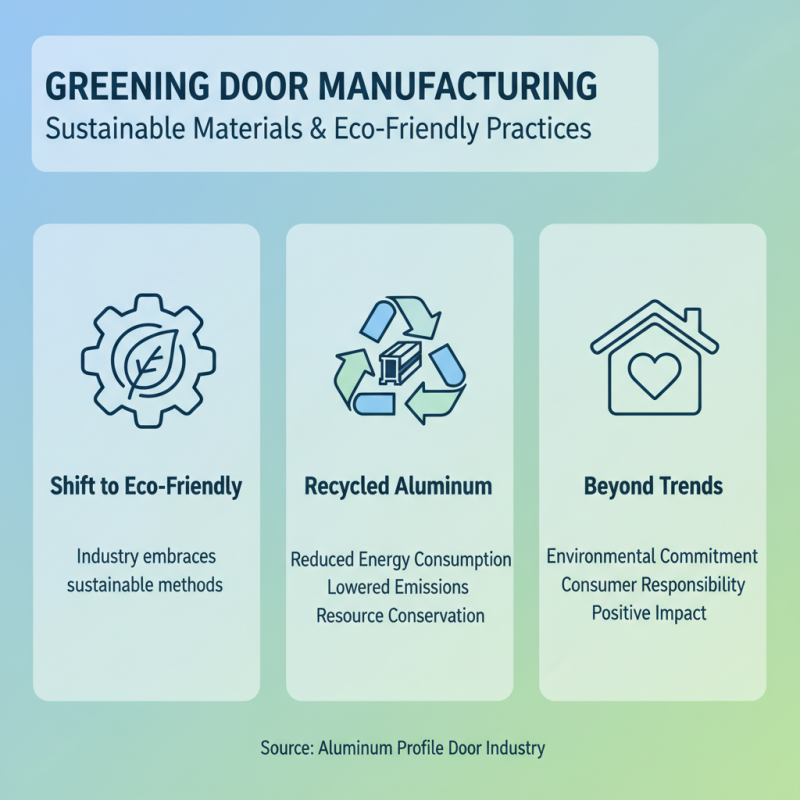
The aluminum profile door market is evolving rapidly. In 2026, we expect designs to embrace eco-friendliness and modern aesthetics. A recent industry report indicates that sustainable materials will dominate 35% of design choices. Buyers are increasingly seeking doors that minimize environmental impact without compromising on style.
Customization is another significant trend. According to data from market research, 40% of consumers now prefer tailor-made solutions. They want designs that suit their preferences and architectural styles. This has led manufacturers to explore various colors, finishes, and configurations. However, this shift towards personalization can pose challenges, as scaling production to meet unique demands can lead to longer lead times and higher costs.
Technological integration is becoming essential. Smart door solutions are gaining traction, with projections showing a potential 25% increase in demand by 2026. These innovative designs enhance security and convenience. Yet, integrating technology in aluminum doors requires careful consideration of durability and functionality. Ensuring both aesthetics and performance is a delicate balance that requires ongoing reflection and innovation in the industry.
2026 Top Aluminum Profile Door Trends for Global Buyers
| Trend |
Description |
Key Features |
Market Demand |
| Sustainable Materials |
Increasing use of recycled aluminum in door manufacturing. |
Eco-friendly, durable, lightweight. |
High |
| Smart Technology Integration |
Incorporation of smart locks and automation features. |
Remote access, energy-efficient, enhanced security. |
Growing |
| Minimalist Designs |
Sleek and simple designs that prioritize functionality. |
Space-efficient, contemporary aesthetics. |
Steady |
| Energy Efficiency |
Improved insulation properties for reduced energy costs. |
Thermal breaks, double glazing options. |
High |
| Custom Finishes |
Variety of colors and textures available for personalization. |
Aesthetic flexibility, unique appearances. |
Increasing |
Technological Innovations in Aluminum Door Features and Functions
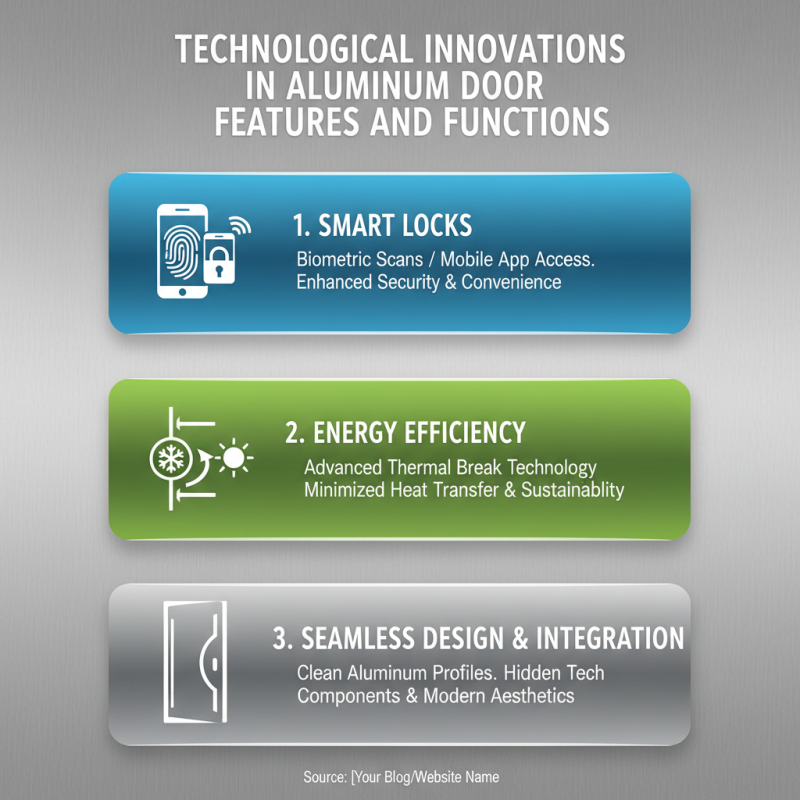
Technological innovations in aluminum doors are reshaping design and functionality. For instance, smart locks integrate seamlessly with aluminum profiles, offering enhanced security. These locks use biometric scans or mobile apps for access, showing a shift towards tech-oriented features. Energy efficiency is also a focus. Advanced thermal break technology minimizes heat transfer, making aluminum doors more sustainable.
Another trend involves self-cleaning surfaces. Coatings on aluminum profiles repel dirt and minimize maintenance efforts. This technology is beneficial for busy urban settings where grime accumulates quickly. Soundproofing capabilities are improving too. New materials and designs enhance noise reduction, providing a more serene indoor environment.
However, the rapid evolution of these technologies raises questions. Are consumers aware of the complexities involved in installation? Some buyers may find smart systems difficult to navigate. Furthermore, the integration of technology in doors does not come without challenges. Potential vulnerabilities in smart locks can lead to security concerns. Continuous evaluation of these innovations is essential for consumers and manufacturers alike.
Customization and Personalization Trends for Aluminum Profile Doors
Customization and personalization trends are reshaping the aluminum profile door market. Recent studies indicate that 65% of consumers prefer tailored options to meet their specific needs. The desire for unique designs drives manufacturers to innovate continually. For instance, customizable colors, finishes, and hardware become essential offerings. Buyers increasingly seek doors that reflect their personal style and enhance their living spaces.
Data from industry reports shows that aluminum doors are becoming more flexible in design. This flexibility allows for a blend of aesthetics and functionality. Many homeowners now want doors that can adapt to various home styles, from modern to traditional. The rise of smart home technology also influences choices. Buyers often desire integrated systems that enhance security and usability. This shift towards customization reveals the need for ongoing dialogue between manufacturers and consumers.
However, the push for personalization comes with challenges. Not all manufacturers can provide high-quality, customized solutions cost-effectively. Some buyers may find lead times longer than expected. Quality assurance can also suffer in a race to meet unique requests. These issues highlight the need for an industry focus on refining customization processes while maintaining quality standards.
Global Market Insights: Demand and Supply Dynamics for 2026
The global aluminum profile door market is poised for significant changes by 2026. As demand rises, key trends will shape buyer preferences. A recent market analysis indicates a projected growth rate of around 5% annually, driven by urbanization and increased construction activities. Emerging economies, particularly in Asia-Pacific, will lead this surge. They are attracting investments due to rapid infrastructure development.
Supply dynamics are equally important. Challenges such as raw material availability and fluctuating prices affect production. Industry reports highlight a 15% increase in aluminum costs over the past year. This fluctuation pressures manufacturers and could lead to higher consumer prices. Additionally, sustainability concerns push manufacturers toward more eco-friendly practices. Innovative recycling methods are becoming a focus, with industry leaders aiming for a 30% reduction in carbon emissions by 2026.
However, the market is not without its flaws. Some producers still rely on outdated methods that hinder efficiency. Buyers must navigate this landscape carefully. Evaluating manufacturers' sustainability practices is crucial. Understanding these dynamics can help stakeholders make informed decisions in this evolving marketplace.