2026 Top Trends in Aluminum Floor Design and Installation Techniques?
The landscape of aluminum floor design is evolving rapidly. According to industry expert James Reynolds, “Innovation in aluminum flooring brings both style and sustainability to modern spaces.” As we approach 2026, trends are shifting toward more versatile solutions that blend function with aesthetic appeal. Aluminum floors are gaining popularity for their lightweight nature and durability, making them suitable for various applications.
In recent years, designers have embraced aluminum’s potential. New installation techniques highlight its adaptability in residential and commercial projects. However, not every trend may resonate well with the market. The challenge lies in finding a balance between cutting-edge designs and practical usability. Some professionals express concern about durability in high-traffic areas.
The future invites a closer examination of aluminum flooring. Will it fully realize its potential in the face of evolving consumer needs? As we consider the trends shaping this industry, it's crucial to remain grounded and receptive to both successes and challenges. The journey of aluminum floor design is ongoing, inviting reflection and innovation.
Evolution of Aluminum Floor Design: Key Historical Influences
Aluminum floor design has evolved significantly over the last few decades. Industrialization and technological advancements heavily influenced its trajectory. Initially, aluminum was seen as a purely functional material. Today, it serves aesthetic purposes too. Designers appreciate its sleek look and adaptability, making it a top choice for modern spaces.
Historical influences also shaped the use of aluminum in floors. The mid-20th century saw a rise in minimalist design. This movement favored clean lines and simplicity. As a result, aluminum gained popularity for its lightweight and durable nature. However, it faced criticism for being cold and impersonal. Designers are now tasked with bridging the gap between functionality and warmth in their designs.
Challenges remain in the field of aluminum flooring. While it offers strength, its installation can be complex. Ensuring proper alignment requires skill. Additionally, environmental considerations drive the need for sustainable practices. Designers must reflect on how to balance innovation with eco-friendly solutions. These reflections are crucial for the future of aluminum floor design.
2026 Top Trends in Aluminum Floor Design and Installation Techniques
| Trend |
Description |
Installation Technique |
Key Historical Influences |
| Sustainable Materials |
Increased use of recycled aluminum to reduce environmental impact. |
Modular installation systems that minimize waste. |
Industrial recycling movements of the 1990s. |
| Textured Finishes |
Use of textured surfaces to enhance aesthetics and grip. |
Advanced laser etching and rolling techniques. |
Influence from the minimalism trends of the early 2000s. |
| Integrated Smart Technology |
Smart floor systems with integrated sensors for moisture and temperature. |
Use of flexible wiring and smart connections. |
Tech advancements from the smartphone era. |
| Rapid Installation Methods |
Quick-install solutions to reduce downtime during projects. |
Click-lock and snap-together systems. |
Construction technology innovations from the late 2010s. |
| Customizable Designs |
Tailored aluminum flooring solutions to meet specific client needs. |
3D printing technology for custom designs. |
The rise of personalization trends in home design. |
Innovative Installation Techniques for Aluminum Flooring
Innovative installation techniques for aluminum flooring are transforming the industry. Recent reports indicate that the aluminum flooring market is expected to grow by 5.3% annually through 2026. This growth reflects a shift towards versatile and sustainable materials in construction. The need for faster installations and enhanced durability drives this change.
Techniques such as snap-fit mechanisms are gaining traction. These require less glue or fixation methods, reducing time and labor costs. Additionally, advanced interlocking systems simplify the installation process. Installers can achieve a seamless finish without extensive preparation. However, these innovative methods may require training. Not every installer is familiar with these new approaches, creating a gap that needs to be addressed.
Moreover, adhesives are evolving. Biodegradable and low-VOC options are becoming popular. These are safer for the environment and improve indoor air quality. However, the performance of these new adhesives in various climates still warrants careful evaluation. Industry experts urge caution as we embrace these innovations. The balance between sustainability and performance is crucial for long-lasting results.
Sustainability Trends in Aluminum Floor Design
Sustainability is reshaping aluminum floor design. This trend reflects a growing environmental consciousness. Designers now prioritize materials that are eco-friendly and recyclable. Aluminum, known for its durability, is increasingly favored for residential and commercial spaces.
New installation techniques aim to reduce waste. Precision cutting and modular designs minimize off-cuts and excess. Additionally, innovative adhesives with lower VOC (volatile organic compounds) are becoming popular. These choices ensure healthier indoor air quality while maintaining design aesthetics.
However, challenges remain. The initial cost of sustainable materials may deter some buyers. It's essential to convey the long-term benefits, such as energy savings and reduced maintenance. Education is critical in this evolving market. Designers and installers must stay informed about advancements in sustainability practices. Achieving a balance between aesthetics and eco-friendliness demands constant adaptation and reflection.
2026 Top Trends in Aluminum Floor Design and Installation Techniques
This bar chart illustrates the top trends in aluminum floor design and installation techniques projected for 2026. The trends are evaluated on a scale of 1 to 10, indicating their importance in the industry's focus on sustainability and innovation.
Impact of Technology on Aluminum Floor Manufacturing and Installation
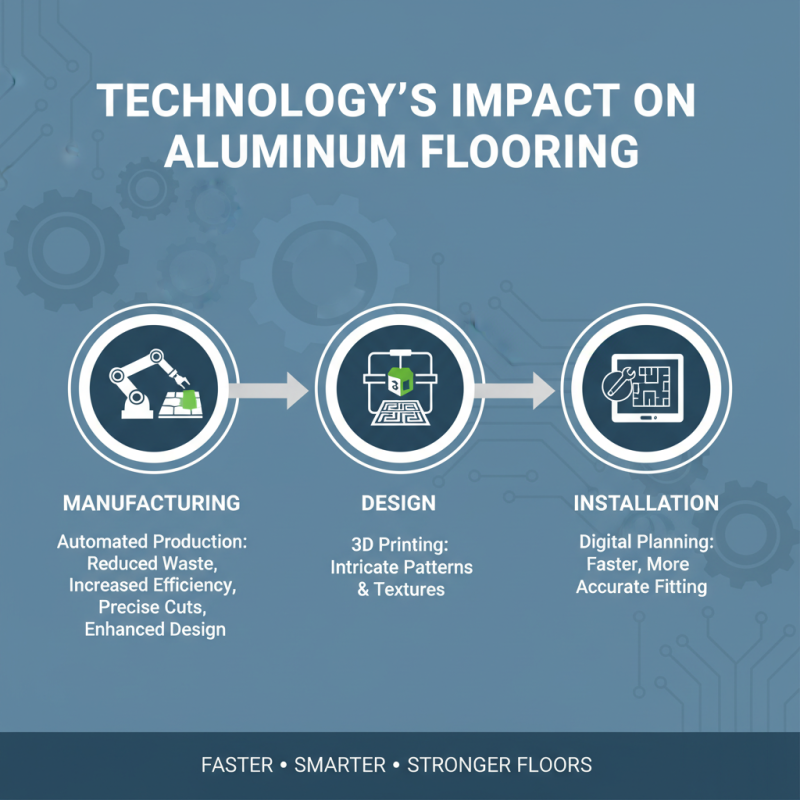
The impact of technology on aluminum floor manufacturing is profound. Advanced techniques streamline production processes, reducing waste and increasing efficiency. Automated machinery is becoming standard. This leads to precise cuts and enhanced design capabilities. Furthermore, 3D printing technology is emerging in floor design, allowing for intricate patterns and textures that were previously difficult to achieve.
Installation techniques are also evolving. Digital tools enable installers to visualize layouts before installation begins. Virtual reality allows for simulations of different design options in real-time. However, this reliance on technology isn't perfect. Human oversight is still crucial. Errors in installation or manufacturing can occur, especially with complex designs. Training remains vital to ensure the skilled labor force can navigate these advanced tools effectively.
The use of building information modeling (BIM) is changing project management. It allows for better planning and collaboration among stakeholders. Yet, adapting to these technologies can be a challenge for some contractors. Balancing human expertise with technological advancements is essential for success in aluminum floor design and installation. As the industry evolves, continuous learning and adaptation will be necessary for all professionals involved.