Top Aluminium Sheet Profiles for Structural Applications and Design Innovation?
Aluminium Sheet Profiles play a pivotal role in modern architecture and structural design. Recent industry reports indicate that the demand for aluminium sheets in construction is projected to grow by 4.2% annually. This growth is driven by the material's lightweight characteristics and exceptional strength. Architects and engineers increasingly favor these profiles for innovative designs that require both aesthetic appeal and structural integrity.
Despite the advantages, designers often face challenges in optimizing aluminium sheet profiles. Issues in fabrication and waste during cutting processes are common. Industry surveys reveal that nearly 30% of aluminium sheets are wasted through inefficient design choices. This highlights the necessity for continuous improvement in design techniques and material usage.
Moreover, while aluminium is celebrated for its corrosion resistance, its performance can vary based on environmental factors. Designers must be cautious about alloy selections and thickness variations. Emphasizing both quality and responsibility in sourcing materials is essential. Through mindful innovation, the architectural community can further harness the potential of Aluminium Sheet Profiles.
Top Aluminium Sheet Profiles in Structural Design
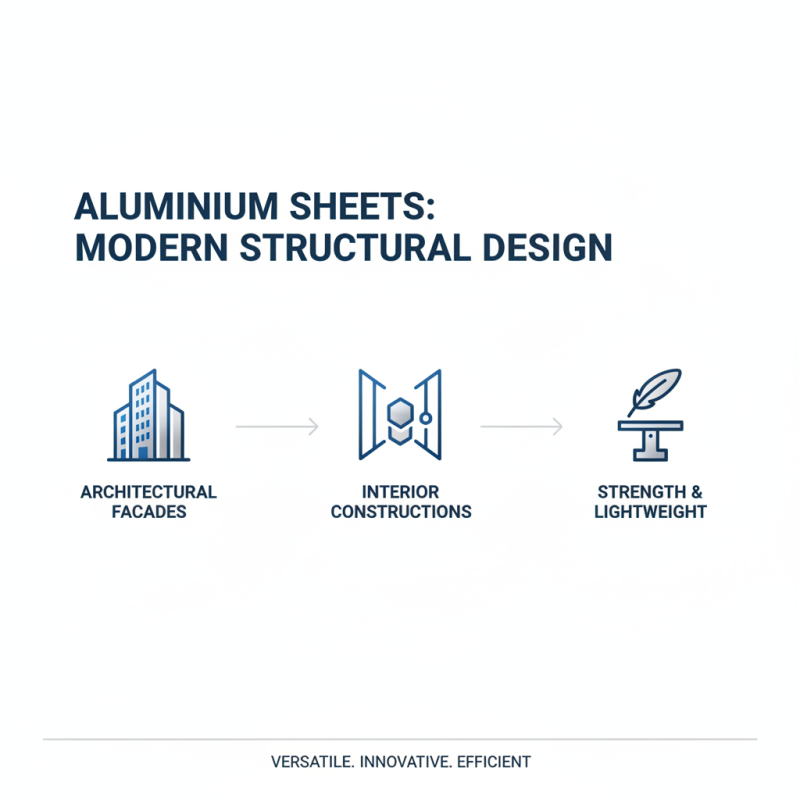
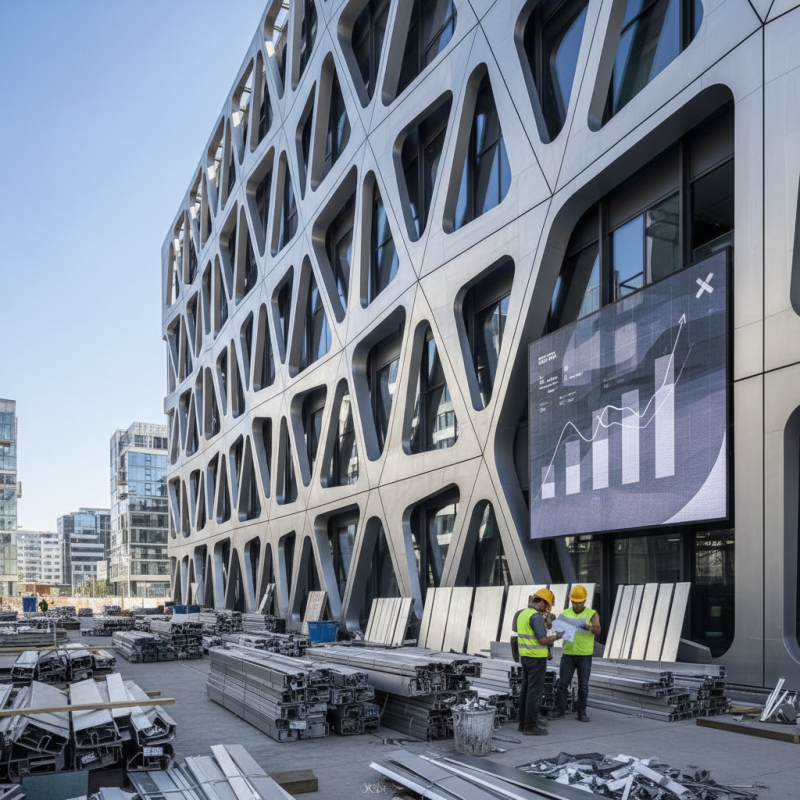
Aluminium sheets have become a cornerstone in structural design. Their versatility allows architects and engineers to create innovative solutions. From facades to interior structures, the applications are endless. These sheets provide strength while remaining lightweight, a key factor for modern constructions.
Designing with aluminium sheets encourages creative thinking. However, the selection of the right profile can be challenging. Certain profiles may not fit well with the intended aesthetic or structural integrity. Understanding the specifications is crucial. Every choice impacts the final outcome, so attention to detail is essential.
Working with aluminium sheets often requires collaboration among various disciplines. Miscommunication can lead to design flaws. Yet, these challenges push teams towards innovative solutions. Ultimately, embracing imperfections can lead to breakthroughs in design. The exploration of aluminium sheets continues to evolve, presenting new opportunities in structural applications.
Key Characteristics of Aluminium Sheets for Structural Applications
Aluminium sheets are becoming increasingly popular in structural applications. Their lightweight nature is a significant advantage. They are easier to handle and install compared to heavier materials. This characteristic allows for greater design flexibility and innovative architectural solutions.
Durability is another key feature of aluminium sheets. They resist corrosion, making them ideal for outdoor structures. This longevity is essential for reducing maintenance costs over time. However, designers must consider the potential for dents and scratches. While they are strong, improper handling can compromise their integrity.
When it comes to thermal conductivity, aluminium sheets excel. They disperse heat quickly, which is vital in various applications. Yet, this quality can lead to challenges in certain designs. Balancing thermal performance with aesthetic considerations is not always straightforward. Additionally, the energy used in production can raise sustainability concerns that require reflection.
Innovative Design Features in Aluminium Sheet Profiles
Aluminium sheet profiles have gained popularity in structural applications due to their lightweight nature and exceptional durability. These profiles can be designed in various shapes and thicknesses, catering to distinct needs. Engineers are now exploring innovative features that enhance both functionality and aesthetics.
One notable innovation is the incorporation of unique surface textures. These textures not only improve grip but also contribute to the visual appeal of the structures. Additionally, the integration of insulating materials within aluminium sheets can significantly enhance thermal performance. This design approach reduces energy consumption, which is crucial in sustainable building practices.
However, innovation often leads to challenges. Creating complex profiles may increase production costs and time. Moreover, achieving the ideal balance between strength and weight can be difficult. While the industry embraces new design features, constant refinement and feedback are essential to ensure that these innovations meet practical requirements without compromising quality or safety.
Applications of Aluminium Sheets in Modern Architecture
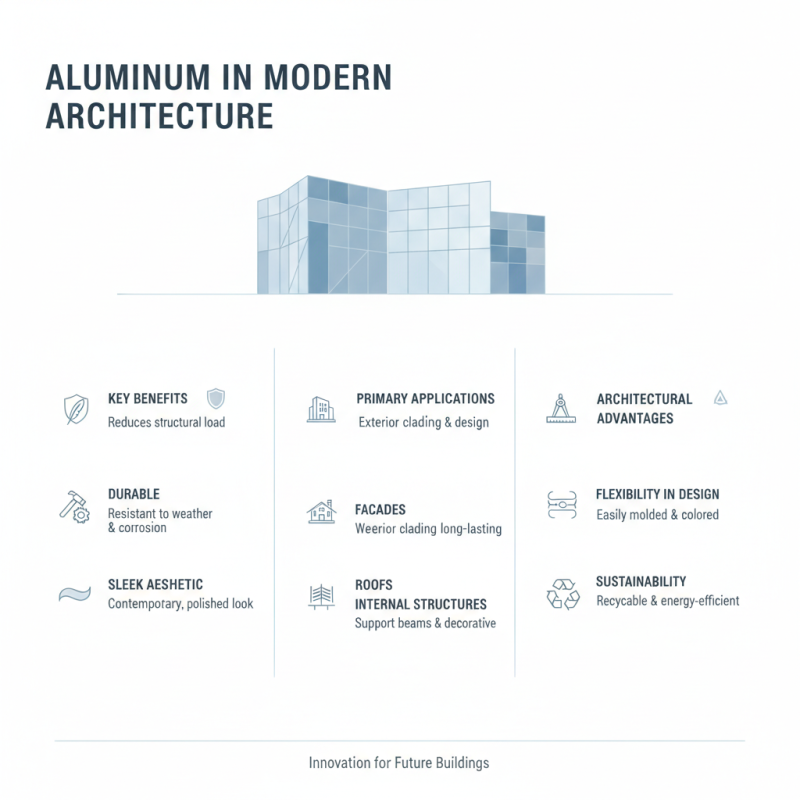
Aluminium sheets have found a prominent role in modern architecture. Their lightweight nature and durability make them ideal for various structural applications. Architects often choose aluminium for facades, roofs, and internal structures. The sleek appearance adds an innovative touch to designs while ensuring longevity.
One interesting aspect is the versatility of aluminium sheets. They can be easily shaped and finished. This allows for unique architectural features that can transform ordinary buildings into stunning landmarks. For instance, a simple curve or a perforated pattern creates visual interest. However, sometimes the execution fails to capture the initial design intent. Such discrepancies can lead to a need for revision and improvement.
Tips for working with aluminium sheets include understanding the properties of the material. Proper handling is crucial, as scratched or dented sheets may compromise aesthetics. Additionally, consider environmental factors like weather and corrosion. These affect the longevity of the aluminium in different climates. Lastly, explore innovative design possibilities, but also remain open to adjustments during the process.
Future Trends in Aluminium Sheet Usage for Structural Engineering
The use of aluminium sheets in structural engineering is evolving. As technology advances, designers seek innovative solutions. One emerging trend is the incorporation of lightweight materials. These provide strength without adding excessive weight to structures. This shift allows for more daring designs. Architects can create structures that were previously thought impossible.
Recycling also plays a crucial role. More engineers are opting for recycled aluminium sheets. This ensures sustainability while maintaining structural integrity. However, challenges remain. The quality of recycled materials can fluctuate. It's essential to ensure that they meet safety standards. Only then can the full benefits of recycling be realized.
Another future trend is the integration of smart materials. These can adapt to environmental changes. Imagine a building that responds to temperature shifts. It could save energy and enhance comfort. Yet, the integration process is complex. Designers and engineers must collaborate closely to achieve success. The path forward is filled with potential, but careful consideration is critical.