Why Choose Aluminum Guardrail for Safety and Durability?
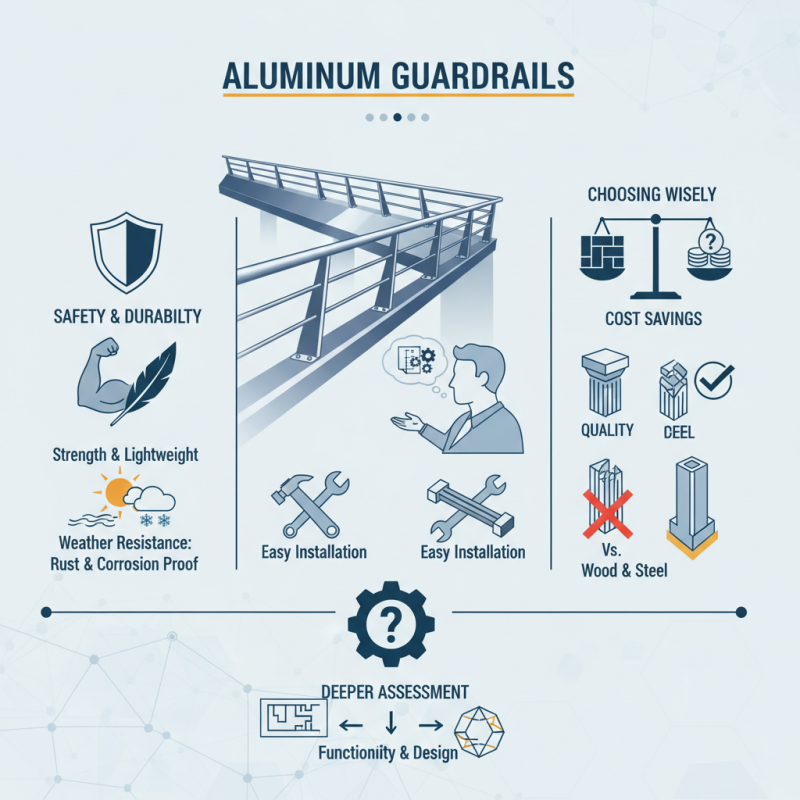
In an era where safety is paramount, choosing the right materials for guardrails is essential. Aluminum guardrails stand out for their combination of safety and durability. Mark Johnson, a leading expert in the field, emphasizes, "Aluminum guardrails provide unparalleled strength while being lightweight." This balance makes them a preferred option for many.
Aluminum guardrails are designed to withstand harsh weather conditions. Their resistance to rust and corrosion ensures they last longer than traditional materials. Contractors appreciate aluminum for easy installation too. However, not all aluminum guardrails are created equal. Some may lack the structural integrity needed for high-risk areas.
While aluminum typically outperforms wood and steel, certain applications may reveal weaknesses. Perhaps, a deeper material assessment is needed. Making an informed choice about aluminum guardrails is crucial for safety. Balancing functionality and design can lead to better solutions. Quality should never be compromised, even for cost savings.
Advantages of Aluminum Guardrail for Safety Applications
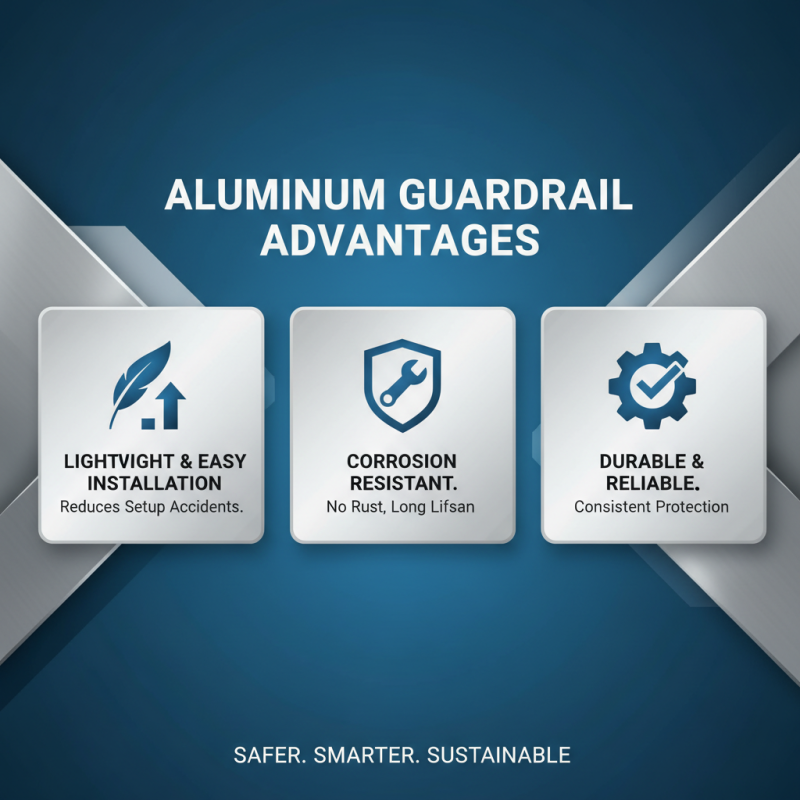
Aluminum guardrails offer exceptional advantages in safety applications. Their lightweight nature makes installation easy and efficient. Workers can move these rails with minimal effort. This efficiency can prevent accidents during setup. Additionally, aluminum does not rust like steel. This longevity ensures that guardrails remain effective over time.
The design of aluminum guardrails also contributes to safety. They are available in various heights and styles. This versatility allows for customization based on specific needs. However, not all installations are perfect. Sometimes, installations may lack proper spacing or height, which could compromise safety. Regular inspections are essential. These checks help identify issues early and ensure the guardrails function as intended.
Another notable feature is their visibility. Aluminum guardrails often come in bright colors. This visibility is crucial in hazardous areas, especially in low-light conditions. Yet, over time, colors can fade. Maintenance is important to keep guardrails noticeable. People must not overlook this aspect. Ensuring awareness and visibility can make a significant difference in safety applications.
Comparison of Aluminum Guardrail with Other Materials
When considering guardrail materials, aluminum stands out for its blend of safety and durability. Unlike wood, which can rot and splinter, aluminum is resistant to various weather conditions. It won’t warp over time, providing consistent performance. Steel, while strong, can rust and require maintenance. Aluminum, on the other hand, is lightweight and easy to install, reducing the overall labor costs.
However, there are some limitations to consider. Aluminum can bend under extreme force, compromising safety. It’s essential to assess the specific needs of your environment. In contrast, concrete guardrails offer high strength but are difficult to modify or remove. Choosing aluminum means balancing safety with flexibility. It’s vital to conduct thorough inspections to ensure long-term effectiveness.
The visual appeal of aluminum cannot be ignored. Its sleek design can enhance the aesthetics of any area. Yet, some may argue that it lacks the rustic charm of wood. It’s important to weigh these aspects versus performance. Every option has its pros and cons, leading to a decision point that deserves careful thought.
Comparison of Guardrail Materials: Aluminum vs. Steel vs. Wood
Durability Factors of Aluminum in Guardrail Construction
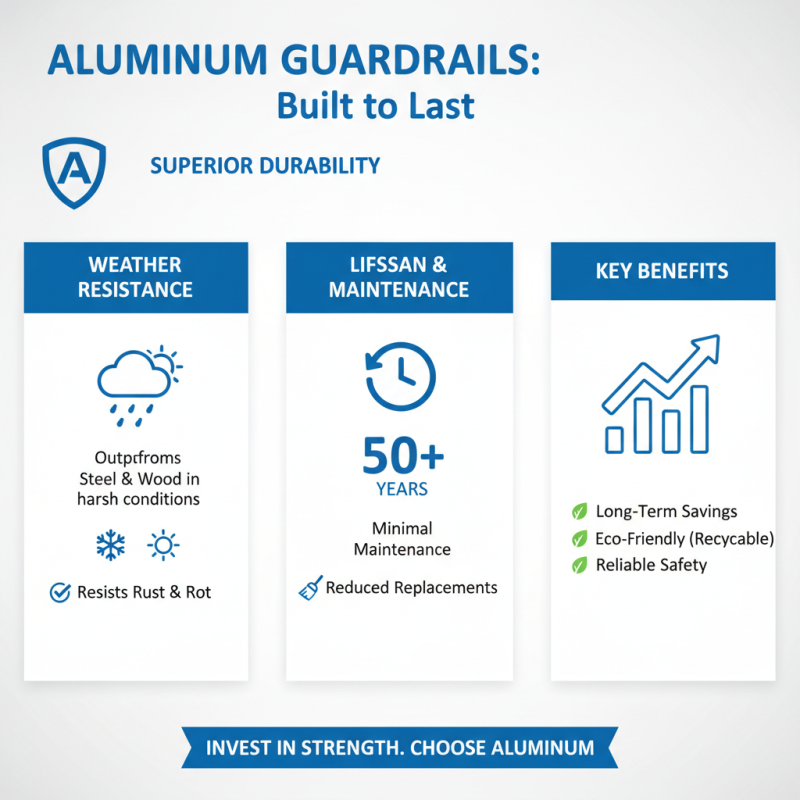
Aluminum guardrails are increasingly favored for their impressive durability. Reports indicate that aluminum can withstand harsh weather conditions better than steel or wood. This resistance reduces the frequency of replacements. Research shows that aluminum guardrails can last up to 50 years with minimal maintenance.
The lightweight nature of aluminum allows for easy installation, reducing labor costs. However, this strength-to-weight ratio means it's crucial to ensure proper engineering. If not addressed, installations could face structural failures. Studies reveal that while aluminum can resist corrosion, it may still be susceptible to certain chemicals, particularly in industrial settings. Thus, knowing the environment is essential.
Regular inspections are vital. Degradation can occur under specific conditions, leading to unexpected failures. Protecting aluminum guardrails involves understanding these vulnerabilities. Organizations should prioritize proactive health monitoring. This scrutiny helps maintain their longevity and effectiveness and ensures public safety without compromising structural integrity.
Maintenance and Longevity of Aluminum Guardrails
Aluminum guardrails stand out for their low maintenance and impressive longevity. Unlike wood or steel, aluminum resists rust and decay. This means fewer repairs and replacements. It's an ideal choice for both residential and commercial properties. With a protective finish, aluminum guardrails can withstand harsh weather conditions. They maintain their appearance over time, enhancing safety and aesthetics.
When maintaining aluminum guardrails, regular inspections are essential. Check for any signs of wear or damage. Simple cleaning with mild detergent can keep them looking new. Avoid abrasive materials that might scratch the surface. If you notice any dents or bends, address them promptly.
Tip: Use a soft cloth for cleaning. It prevents unnecessary wear. Another tip is to inspect joints and connections. These are common areas that can weaken over time. A little attention can go a long way in preserving their integrity. While aluminum is durable, it's wise to be proactive in maintenance. This can extend their lifespan significantly.
Why Choose Aluminum Guardrail for Safety and Durability? - Maintenance and Longevity of Aluminum Guardrails
| Feature |
Description |
Benefits |
Durability Rating (Years) |
| Corrosion Resistance |
Aluminum guardrails are highly resistant to corrosion, making them suitable for various environments. |
Reduced maintenance costs |
30 |
| Lightweight |
Aluminum is much lighter than steel, making installation easier. |
Lower installation costs |
25 |
| Aesthetic Appeal |
Aluminum can be custom-finished in various colors and styles. |
Enhanced property value |
15 |
| Impact Resistance |
Aluminum guardrails can withstand significant impacts without deforming. |
Increased safety |
20 |
| Low Maintenance |
Requires minimal upkeep compared to wood or other materials. |
Saves time and labor |
40 |
Cost-Effectiveness of Installing Aluminum Guardrails
Aluminum guardrails offer significant cost-effectiveness in various applications. Their lightweight design reduces transportation costs. Installation is often more straightforward compared to heavier materials. This means less labor time and expense. Companies can save not only on materials but also on labor costs.
Longevity is another advantage. Aluminum resists corrosion and rust. This durability translates into lower maintenance and replacement expenses. For many projects, the initial investment pays off over time. But, it’s important to weigh costs against specific needs. While aluminum might be cheaper, it may not suit every environment perfectly.
Consider the aesthetics as well. Aluminum can blend in or stand out, depending on the finish. Yet, some find it less visually appealing than wood or steel. There is a balance to strike between function and look. This is worth reflecting on when deciding on materials.