What is an Aluminum Rod and its Uses in Various Industries?
Aluminum rods are versatile materials used across various industries. Their lightweight nature and strength make them ideal for construction, aerospace, and automotive sectors. In the fast-paced world of manufacturing, aluminum rods serve essential functions, offering reliability and performance.
In applications ranging from structural components to precision machining, aluminum rods play a critical role. They can be easily shaped and formed, allowing for creative architectural designs. Despite their benefits, users sometimes overlook their properties, leading to improper applications or wastage.
The demand for aluminum rods is set to grow. Innovations in manufacturing processes and improved supply chains are essential for meeting this demand. The introduction of AI technologies, like those seen in the Canton Fair, highlights the importance of optimizing sourcing and logistics. Overall, reflecting on the use of aluminum rods can pave the way for more efficient practices in multiple industries.

What is an Aluminum Rod?
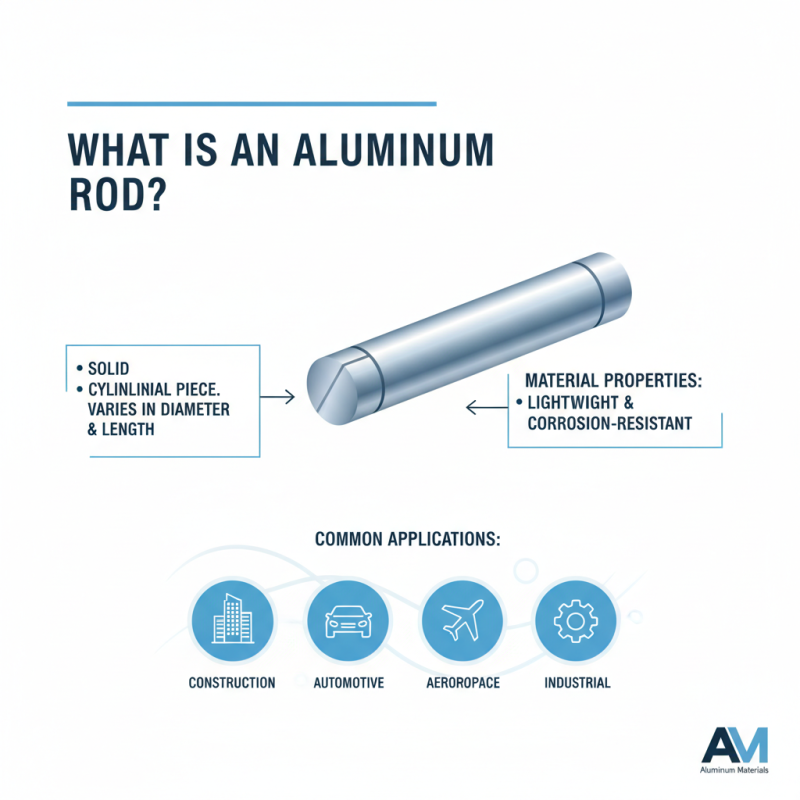
An aluminum rod is a solid cylindrical piece made from aluminum. It can vary in diameter and length, depending on its intended use. Aluminum is a lightweight and corrosion-resistant material. This makes aluminum rods suitable for many applications in different industries. They can be found in construction, automotive, aerospace, and more.
These rods are often used to create structures and frameworks. In the construction industry, they provide support and strength without adding too much weight. Their resistance to rust is a bonus, especially in outdoor environments. In automotive applications, aluminum rods are popular for manufacturing parts that require strength and low weight.
However, not all uses are perfect. Sometimes, these rods can bend under extreme pressure. Users need to understand the load capacity. Choosing the right rod can be tricky. It’s essential to consider specific project needs. While aluminum rods are versatile, they are not solutions for every situation.
Properties and Characteristics of Aluminum Rods
Aluminum rods are known for their unique properties. They are lightweight yet strong, making them suitable for various applications. The corrosion resistance of aluminum adds to its versatility. This means that aluminum rods can withstand harsh environments, extending their life span.
One key characteristic is their excellent conductivity, particularly in terms of thermal and electrical properties. This makes aluminum rods ideal for electrical applications. Their malleability allows for easy shaping and forming, which is crucial in manufacturing processes.
Tips: When selecting an aluminum rod, consider the specific requirements of your project. Look at the tensile strength and conductivity values relevant to your needs. Additionally, remember that some aluminum grades may be more suitable for certain tasks than others.
Another notable property is the ease of welding. Aluminum rods can be welded with various techniques, enhancing their usability in construction and repair. However, improper handling can lead to issues. Ensure proper storage and handling to maintain their quality.
Tips: Always check for any surface imperfections before use. Keeping the rods clean ensures better results during welding. Don't overlook these details; they can significantly impact performance.
Common Manufacturing Processes for Aluminum Rods
Aluminum rods are widely used in various industries. These rods can be made through several manufacturing processes. Each process has its unique advantages and applications.
Extrusion is one common method used to create aluminum rods. In this process, aluminum is heated until malleable and then pushed through a die. This allows for the creation of rods with different diameters and lengths. Another method is rolling, where slabs of aluminum are pressed into thinner sheets or rods. Both techniques provide excellent strength-to-weight ratios and exceptional corrosion resistance.
Tips: When selecting an aluminum rod for your project, consider the specific mechanical properties required. Strength, weight, and conductivity can vary significantly based on the manufacturing process.
Casting is another way to produce aluminum rods. This involves pouring molten aluminum into molds. The resulting directional solidification often enhances material strength. However, casting can introduce imperfections and requires careful quality control.
Keep in mind that not all aluminum rods are created equal. Variability in processes may lead to inconsistent quality. It's essential to partner with reliable suppliers who have robust quality assurance processes.
Applications of Aluminum Rods in the Construction Industry
Aluminum rods play a vital role in the construction industry. They offer high strength-to-weight ratios, making them ideal for structural applications. In fact, reports indicate that the use of aluminum in construction can reduce overall weight by up to 60% compared to traditional materials. This advantage leads to lower transportation costs and easier handling on job sites.
One significant application is in the framing of buildings. Aluminum rods provide durability and resistance to corrosion, essential for structures exposed to harsh weather. Data show that aluminum structural components can last up to 50 years with minimal maintenance. However, challenges remain. The initial cost of aluminum can be higher than steel. This factor sometimes deters builders.
Another area where aluminum rods excel is in scaffolding and support systems. Their lightweight nature allows for quick assembly and disassembly. Reports suggest that using aluminum in scaffolding can enhance safety and efficiency. Still, it’s crucial to ensure proper engineering standards are met. Many construction firms are still catching up with these advancements. This gap can lead to underutilization of such beneficial materials in projects.
Applications of Aluminum Rods in the Construction Industry
Uses of Aluminum Rods in Aerospace and Automotive Sectors
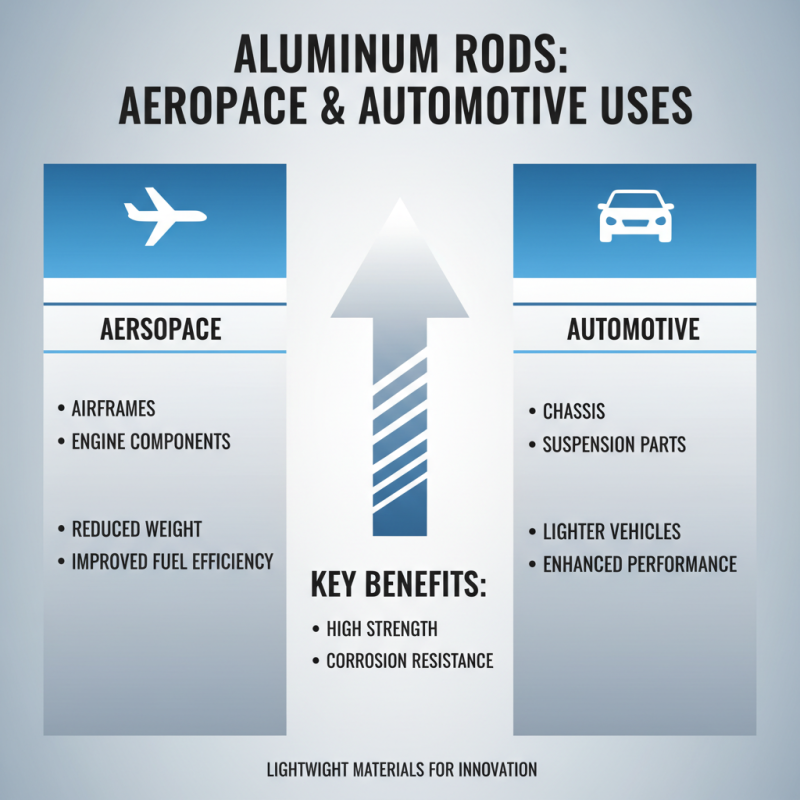
Aluminum rods play a crucial role in the aerospace and automotive sectors. These lightweight materials offer high strength and corrosion resistance, making them ideal for various applications. In aerospace, aluminum rods are often used in the construction of airframes and engine components. Their lightweight nature reduces overall vehicle weight, improving fuel efficiency.
In the automotive industry, aluminum rods are utilized to manufacture frames and other key components. This leads to lighter vehicles that use less fuel and emit fewer pollutants. Additionally, aluminum’s excellent thermal conductivity helps in designing effective cooling systems. However, relying solely on aluminum can have downsides, such as cost and availability issues.
Aluminum rods are versatile but not without challenges. Sourcing quality aluminum can be inconsistent. Furthermore, the fabrication process may produce defects that affect performance. These are areas that require ongoing attention. Manufacturers in both sectors must constantly refine processes to ensure reliability and efficiency.