Aluminum handrails have become a popular choice for both homes and businesses. As John Smith, a leading expert in railing design, noted, "Aluminum handrails offer safety and style without compromising durability." This versatile material is becoming integral to modern architecture.
The benefits of aluminum handrails are numerous. They provide a safe, sturdy barrier for stairways and balconies. They're resistant to rust and corrosion, making them ideal for various climates. However, not everyone realizes the aesthetic advantages. Aluminum can be designed in various styles, enhancing any space's visual appeal.
While aluminum handrails are a great choice, some may overlook their environmental impact. The production process can be energy-intensive. Yet, aluminum is also recyclable, which is a positive aspect. Every homeowner or business owner should weigh these factors carefully. Understanding both advantages and drawbacks leads to better decisions.
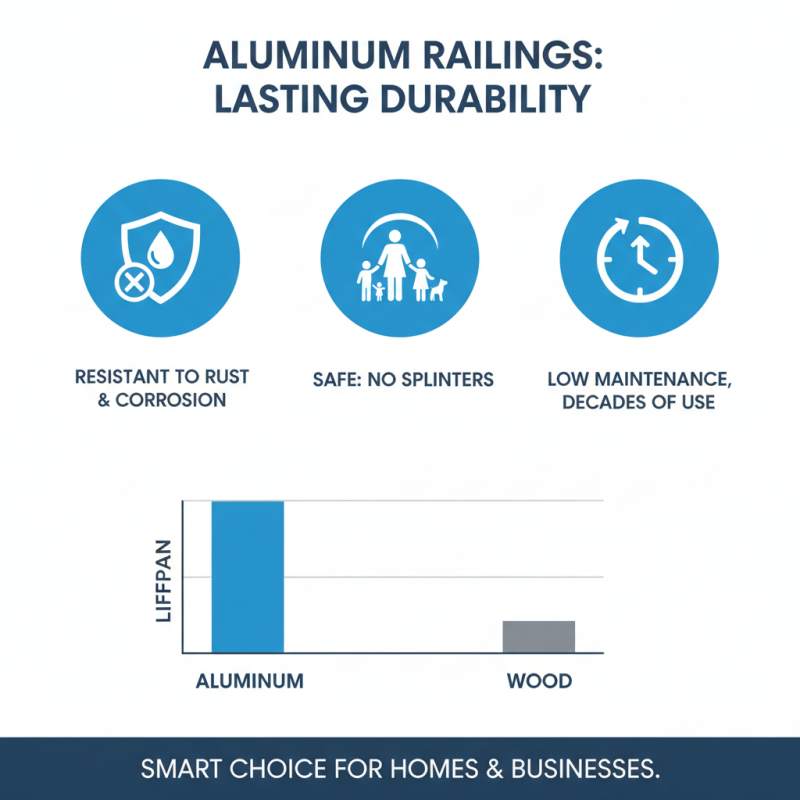
Aluminum railings offer remarkable durability for both homes and businesses. They resist rust and corrosion, which makes them suitable for various climates. Unlike wood, they won’t splinter, making them safe for children and pets. With minimal maintenance, aluminum railings can last for decades, providing a long-term solution for safety and aesthetics.
However, not all aluminum is created equal. Some cheaper options may lack the strength needed for heavy use. This can lead to unexpected repairs and replacements. Investing in quality aluminum reduces the likelihood of such issues. Additionally, proper installation is crucial. Poorly installed railings may not perform effectively over time, leading to potential hazards.
Choosing aluminum railings also involves considering the environment. While aluminum is recyclable, production can generate waste. Therefore, it's essential to balance your choice with sustainable practices. This awareness creates a more responsible approach to home and business improvements. Understand the pros and cons before making a decision, as materials can impact overall investments.
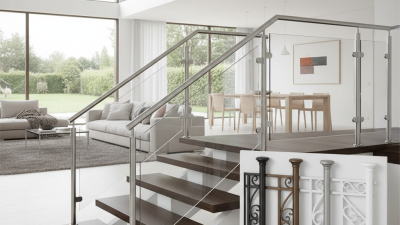
Aluminum handrails stand out for their cost-effectiveness. A recent industry report indicated that the initial investment in aluminum handrails is often lower than that of wood or steel. Considering their longevity, this advantage grows over time. Aluminum does not warp, rot, or rust like wood and steel, which can lead to significant repair costs.
Many homeowners and businesses overlook maintenance costs. A survey found that maintenance expenses for wood materials could exceed 50% of their initial cost over ten years. In contrast, aluminum handrails require minimal upkeep. Regular cleaning is often sufficient to maintain their appearance and function. This factor contributes to their overall affordability, especially for busy establishments.
Furthermore, the recyclability of aluminum adds to its economic appeal. Research shows that approximately 75% of all aluminum ever produced is still in use today. This cycle not only reduces the environmental footprint but also enhances cost-effectiveness in production. Investing in aluminum can be a smart choice for both residential and commercial properties. However, it’s crucial to analyze installation and replacement costs carefully to ensure long-term savings align with initial expenditures.
Aluminum handrails are crucial in construction. They meet strict safety standards. Compliance ensures they can withstand heavy use and adverse conditions. In commercial spaces, these railings are vital for preventing accidents. Residential applications also benefit from added security for families and guests.
Building codes require proper installation. This can be challenging for some contractors. A lack of understanding may lead to poorly installed railings. Inspectors often catch these mistakes, which can delay projects. Regular training is essential to maintain compliance. With new materials and styles, the industry constantly evolves.
Aluminum railings resist corrosion and are low maintenance. They provide strength while enhancing aesthetics. However, it’s important that they are installed correctly. Overlooking details, like spacing, can create safety hazards. Planning and attention to detail are key. Each installation presents a learning opportunity. Ensuring safety should always be operational priority.
| Benefit | Description | Safety Standards Compliance | Durability |
|---|---|---|---|
| Corrosion Resistance | Aluminum resists rust and corrosion, making it ideal for outdoor use. | Meets ASTM B117 standards for corrosion resistance. | Lasts decades with minimal maintenance. |
| Lightweight | Easier to install and handle compared to heavier materials. | Fulfills OSHA handling requirements for safety. | Reduces stress on supporting structures. |
| Aesthetic Appeal | Modern look that enhances property value. | Passes aesthetic design guidelines in construction codes. | Holds up well under various weather conditions. |
| Versatility | Suitable for various applications—balconies, staircases, etc. | Complies with different building codes across regions. | Resists impacts and local wear effectively. |
| Low Maintenance | Requires little upkeep compared to wood or steel. | Meets upkeep standards as per building codes. | Endures harsh cleaning without damage. |
| Cost-Effectiveness | Affordable compared to other materials in the long run. | Can meet budget guidelines for projects. | Provides value with longevity. |
| Safety Features | Prevents falls with sturdy handhold support. | Adheres to safety railing codes. | Designed to withstand high loads. |
| Eco-Friendly | Recyclable material that supports sustainability. | Conforms to environmental standards. | Less impact on ecosystems compared to alternatives. |
| Customization | Available in various colors and styles. | Flexibility in design meets compliance needs. | Customization options that do not compromise stability. |
| Timely Installation | Quick installation process reduces downtime. | Efficient methods comply with construction deadlines. | Minimizes on-site labor costs. |
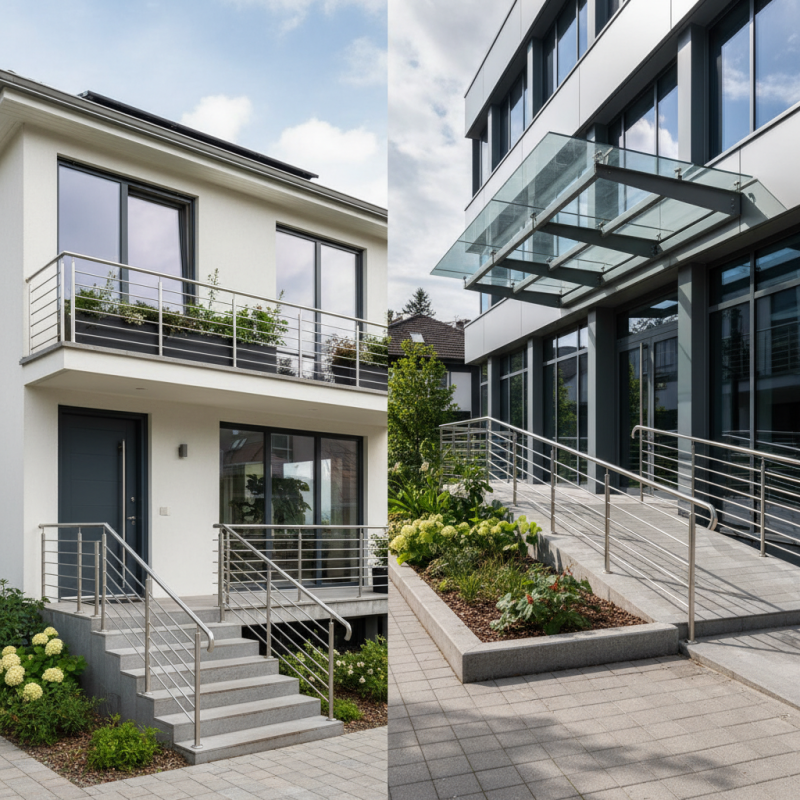
Aluminum railings offer remarkable design options, making them perfect for any home or business. You can choose sleek lines and modern finishes or opt for more ornate styles. This variety allows property owners to match railings to their overall aesthetic. Think about the colors—layering hues can add depth. Brushed, polished, or matte finishes can dramatically change the visual appeal.
The material itself is lightweight yet sturdy, which adds to its flexibility in design. Curved railings can soften a space, while straight lines create a more contemporary vibe. There are options for infill too. Glass panels or cable designs can enhance the sense of openness while maintaining safety.
However, not every choice is perfect. Sometimes, the metallic shine can clash with more natural settings. Balancing industrial and organic elements requires thoughtful consideration. Maintenance is another factor. Aluminum needs care to retain its beauty, especially in harsh weather conditions. We should ask ourselves: Is the investment worth the effort? Ultimately, these railings can transform spaces beautifully, if chosen with foresight.
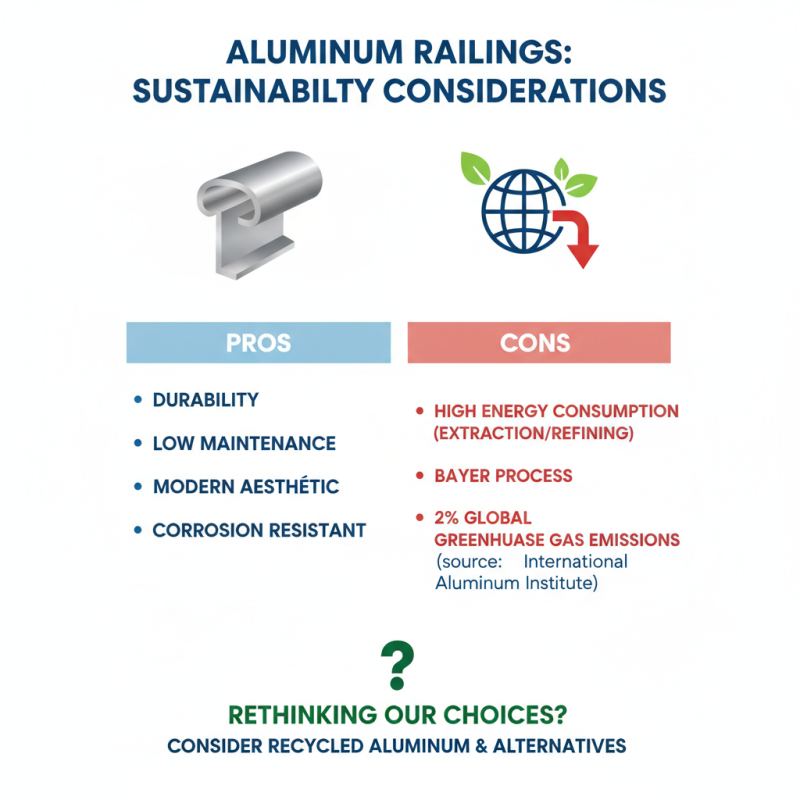
Aluminum railings are popular for their durability and aesthetic appeal. However, the environmental impact of aluminum production is significant. The extraction and refining process, known as Bayer process, uses large amounts of energy. According to the International Aluminum Institute, aluminum production accounts for about 2% of global greenhouse gas emissions. This reality begs us to rethink our choices.
Yet, aluminum has a notable edge in sustainability when it comes to recycling. Over 75% of all aluminum produced is still in use today, and it can be recycled indefinitely without losing quality. The recycling process requires only 5% of the energy used for initial production. This means a much lower carbon footprint. A report by the Aluminum Association highlights that recycling aluminum saves about 90% of the energy needed to create new aluminum from bauxite ore.
Despite these benefits, the toxicity involved in the mining process raises concerns. Communities near bauxite mines often face environmental degradation and health risks. The industry must address these issues to promote more sustainable practices. As consumers, we should advocate for responsible sourcing and production of aluminum. Exploring alternatives can lead to better outcomes for our planet.