Exploring the Best Aluminum Ceiling Panels Available in China?
The demand for Aluminum Ceiling Panels in China has seen remarkable growth. These panels are not only functional but also enhance the aesthetic appeal of various spaces. Architects and interior designers increasingly favor aluminum panels due to their versatility and durability.
China offers a wide range of Aluminum Ceiling Panels, each with unique features. Some are designed for easy installation, while others emphasize sound insulation or energy efficiency. The quality of these panels can vary significantly. It's essential to choose a supplier with a strong reputation and expertise in the industry.
However, navigating the market can be challenging. Some manufacturers may overstate their product capabilities. Buyers must research thoroughly and seek recommendations. Understanding the properties of different Aluminum Ceiling Panels will help make informed decisions. Careful selection can lead to satisfying results, but it requires diligence and critical thinking.
Understanding Aluminum Ceiling Panels: An Overview
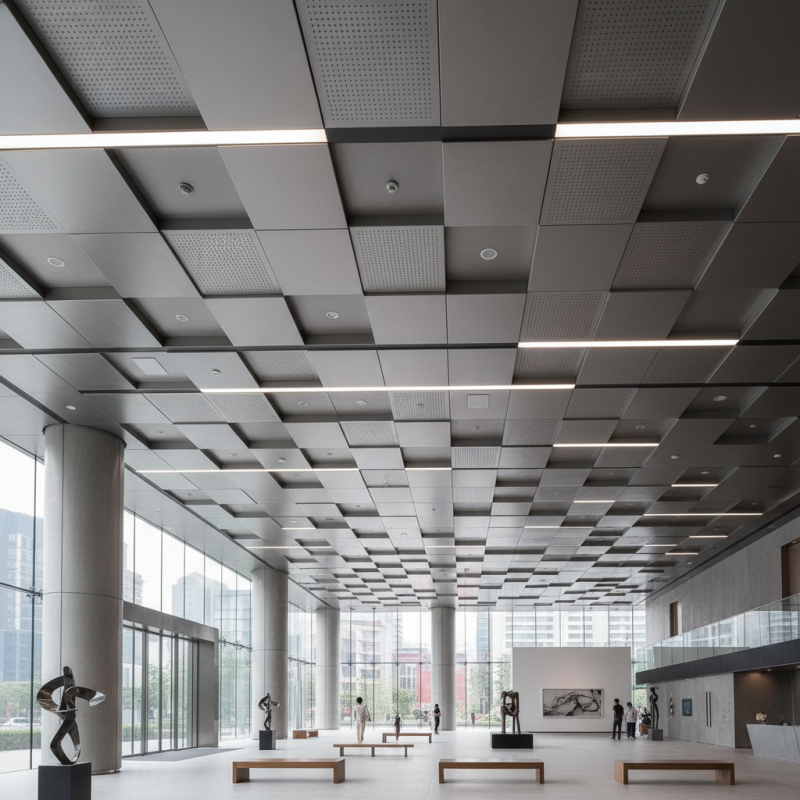
Aluminum ceiling panels have gained popularity in modern design due to their durability and versatility. They offer an aesthetic appeal that complements various interior styles. These panels are lightweight yet strong, making installation relatively easy. Installation can be a challenge, especially in unusual shapes. Proper planning is essential to achieve a seamless look.
The panels come in various finishes, including matte and gloss. Some have metallic textures that catch light beautifully. However, not all panels provide the same quality. Research is crucial to find reliable suppliers with a good track record. The process can be daunting.
Another factor is maintenance. Aluminum panels are generally easy to clean but may require specific products to avoid damage. Scratches can occur over time, which might necessitate repair or replacement. Consider the long-term investment when choosing panels. Balance aesthetics with functionality for the best results.
Exploring the Best Aluminum Ceiling Panels Available in China
| Panel Type |
Thickness (mm) |
Width (mm) |
Length (mm) |
Finish Type |
Fire Rating |
| Flat Panel |
0.5 |
300 |
3000 |
Matt |
B1 |
| Reflective Panel |
0.6 |
600 |
3000 |
Glossy |
B1 |
| Perforated Panel |
0.8 |
300 |
1200 |
Textured |
B1 |
| Laser-Cut Panel |
1.0 |
600 |
3000 |
Custom Design |
B1 |
| Soundproof Panel |
1.2 |
600 |
3000 |
Sound Absorbing |
B1 |
Advantages of Using Aluminum Ceiling Panels in Construction
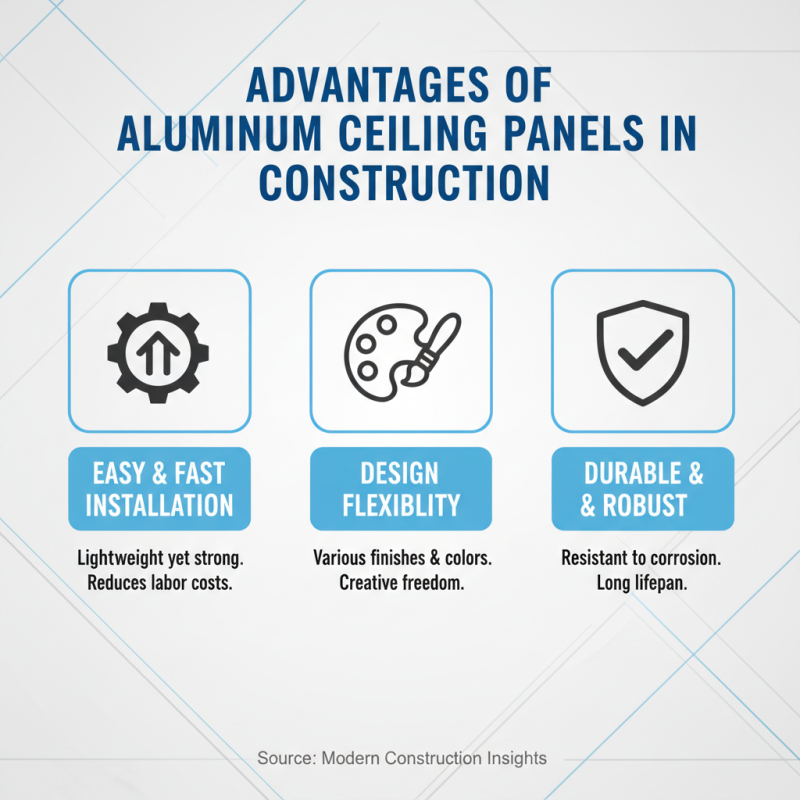
Aluminum ceiling panels offer several advantages in modern construction. They are lightweight yet strong, making them easy to handle and install. This can significantly reduce labor costs on construction sites. The panels are also available in various finishes and colors, allowing for creativity in design.
One of the most notable benefits is their durability. Aluminum panels resist moisture, cracking, and warping. This makes them suitable for humid environments like kitchens and bathrooms. However, potential buyers should consider the specific climate when selecting materials. Incorrect choices can lead to poor performance and unforeseen issues.
Additionally, aluminum panels are eco-friendly. They are recyclable and can help lower energy costs when used in insulation applications. Nevertheless, achieving these benefits requires careful planning and expertise. Not every installation guarantees optimal results, highlighting the importance of professional guidance.
Types of Aluminum Ceiling Panels Available in China
Aluminum ceiling panels are a popular choice in China due to their versatility and durability. Various types cater to different needs and styles. One common type is the standard flat panel. These panels offer a sleek look and are easy to install. Many homeowners prefer them for modern interiors.
Another type is the decorative panel. These come with unique textures and finishes. They can mimic natural materials, adding warmth to a space. Decorative panels enhance aesthetic appeal while maintaining functionality. They are often used in hotels and upscale venues.
Acoustic aluminum panels are also gaining attention. They are designed to minimize sound, making them ideal for offices and concert halls. These panels not only look good but also improve sound quality. However, choosing the right insulation level can be a challenge. One must consider the specific acoustic needs of the space. Overall, the variety of aluminum ceiling panels offers something for every design preference.
Key Factors to Consider When Selecting Aluminum Ceiling Panels
When selecting aluminum ceiling panels, several key factors come into play. The first consideration is the panel thickness. Research shows that thicker panels are more durable and have better sound insulation properties. Aim for at least 0.6 mm thickness for optimum performance.
Next, consider the surface treatment. Panels with a PVDF coating offer superior resistance to fading and corrosion, which is essential in high-humidity environments such as kitchens and bathrooms. The finish can also impact aesthetics, affecting how light interacts with the panel surface.
Tip: Test the panels under different lighting conditions before purchasing. This helps you visualize the final look.
Another vital aspect is the fire resistance rating. In China, aluminum ceiling panels often meet GB8624 standards. Confirm compliance, as this ensures safety in case of fire emergencies. Consider panels with a Class A rating for maximum protection.
Tip: Always ask for certifications when assessing panel options. A reliable supplier should provide the necessary documentation.
Evaluating these factors can lead to a more informed decision when selecting aluminum ceiling panels. Being meticulous now can save you from issues later. Pay attention to these details.
Exploring the Best Aluminum Ceiling Panels Available in China
This chart illustrates key characteristics of aluminum ceiling panels available in China, including thickness, fire resistance, sound insulation, weight, and cost. These factors are essential when selecting the right aluminum ceiling panel for specific needs and applications.
Top Manufacturers and Brands of Aluminum Ceiling Panels in China
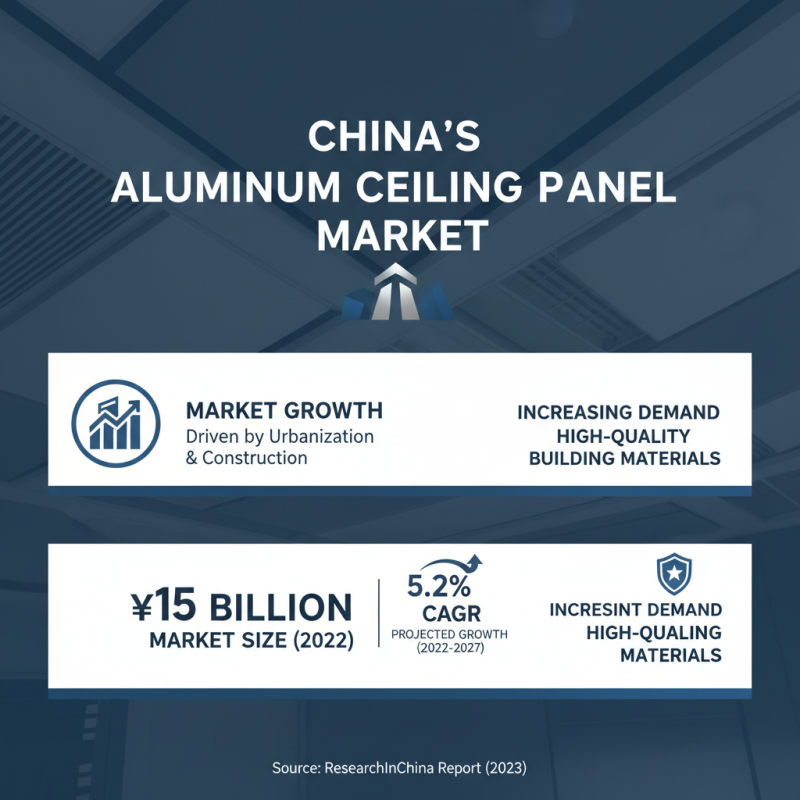
The aluminum ceiling panel market in China has been growing, driven by urbanization and construction activities. According to a report by ResearchInChina, the market size for aluminum ceiling panels was valued at approximately 15 billion RMB in 2022, and it's projected to grow at a CAGR of 5.2% until 2027. This rapid growth highlights the increasing demand for high-quality building materials.
Several top manufacturers and brands lead this dynamic market. They emphasize durability, aesthetic appeal, and sustainability. These companies are focusing on innovative designs and eco-friendly materials. However, the competition is fierce. Emerging brands pose challenges to established players, pushing them to refine their offerings. For example, some manufacturers are exploring lightweight options that reduce installation costs and improve energy efficiency, though not all options perform as promised.
Challenges remain in quality consistency and customer service. Some manufacturers struggle to maintain high standards due to rapid production scaling. The industry's reliance on technology influences manufacturing efficiency. Reports indicate that approximately 30% of aluminum ceiling panel companies face quality control issues, raising concerns among consumers. Reliable information and standards are crucial when considering purchases in this complex market. Choosing a reputable manufacturer can minimize risk and ensure product reliability.