How to Choose the Best Aluminum Guardrail for Your Needs?
Choosing the right Aluminum Guardrail can significantly impact safety and aesthetics in your space. With various options available, it’s crucial to understand your specific needs. Factors like location, purpose, and design preferences play key roles in the decision-making process.
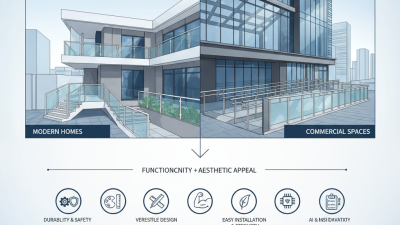
Aluminum Guardrails offer durability and low maintenance. However, not all options are created equal. Different designs cater to distinct environments. For example, a residential area might require a different style compared to a commercial space. Specifications such as height, strength, and finish should not be overlooked.
It’s also essential to consider the installation process. Some guardrails require professional help, while others can be self-installed. Reflect on your capability and budget before making a choice. Ultimately, the best Aluminum Guardrail is one that balances safety, functionality, and your unique style.
Factors to Consider When Choosing Aluminum Guardrail Systems
Choosing the right aluminum guardrail system involves several critical factors.
Safety is paramount. According to the National Safety Council, falls account for 28% of workplace injuries. Durable guardrails reduce fall risks significantly. They must meet local safety standards and have the required load-bearing capacity.
Additionally, consider the environment where the guardrail will be used. For instance, coastal areas might need guardrails with superior corrosion resistance. The lifespan of a guardrail can be impacted by weather conditions. It’s vital to choose materials suitable for specific climates. A report from the Aluminum Association indicates that properly treated aluminum can extend service life by up to 50%.
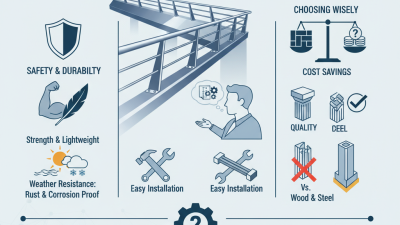
Cost is another crucial consideration. While budget constraints are real, investing in high-quality guardrails may save more in the long run. A cheap option might lead to frequent replacements and increased liability risks. Reflecting on these factors can ensure that the selection is not just cost-effective but also aligns with safety and durability needs.
Understanding the Different Types of Aluminum Guardrails Available
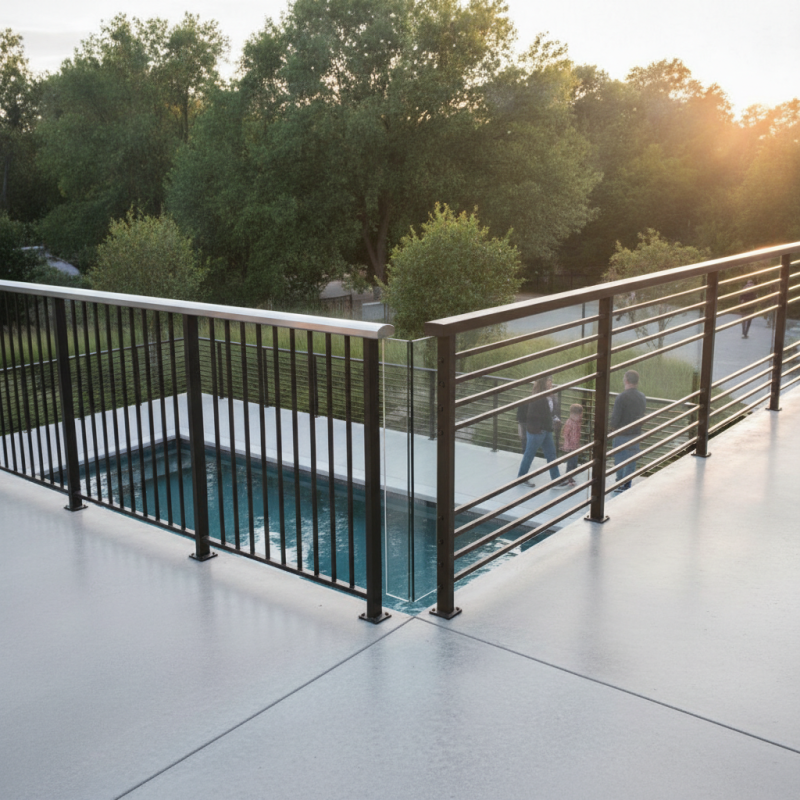
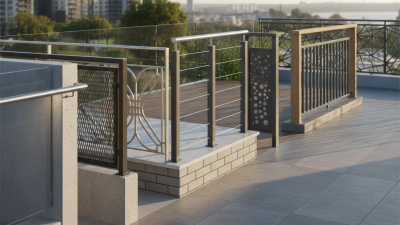
When selecting an aluminum guardrail, understanding the various types available is crucial. Aluminum guardrails come in different styles, each with its own set of benefits. For instance, traditional picket designs offer aesthetic appeal while ensuring safety. These guardrails are widely used in commercial buildings and public spaces. According to industry reports, picket guardrails can reduce accidents by up to 40% in high-traffic areas.
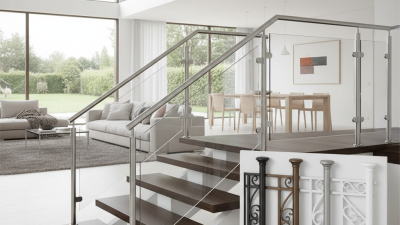
Another popular option is the cable rail system. This type features horizontal cables held by aluminum posts. Its sleek, modern appearance makes it a favorite for contemporary architecture. Data shows that cable railing can withstand significant lateral loads, making it a reliable choice for balconies and decks. However, installation can be tricky, requiring precise measurements and skilled labor to ensure safety and compliance with local codes.
The choice of powder coating versus anodizing is also significant. Powder-coated railings offer a wider array of colors, enhancing design flexibility. Conversely, anodized aluminum provides increased corrosion resistance but in limited finishes. A study indicates that approximately 75% of aluminum guardrails sold are powder-coated due to their visual appeal and durability. It's essential to weigh these options while considering your specific safety needs.
Key Industry Standards and Regulations for Aluminum Guardrails
When selecting an aluminum guardrail, understanding industry standards is crucial. Regulations often dictate height, durability, and load resistance. Compliance with OSHA, for instance, ensures safety in workplace settings. Local building codes may also impose specific requirements based on usage and location.
Tips: Always verify if the guardrails meet ASTM specifications. This can prevent future failures.
Choose materials that withstand harsh weather conditions, particularly if installed outdoors. A guardrail might look sturdy, but check for certifications.
Another key aspect is installation. Even a compliant guardrail can fail if not installed correctly. Seek professionals familiar with safety standards. They should know how to handle different terrains and structures. Often, oversight occurs during mounting, leading to potential hazards. Regularly check for wear and tear post-installation. A proactive approach can save lives.
Evaluating Durability and Maintenance Requirements of Aluminum Guardrails
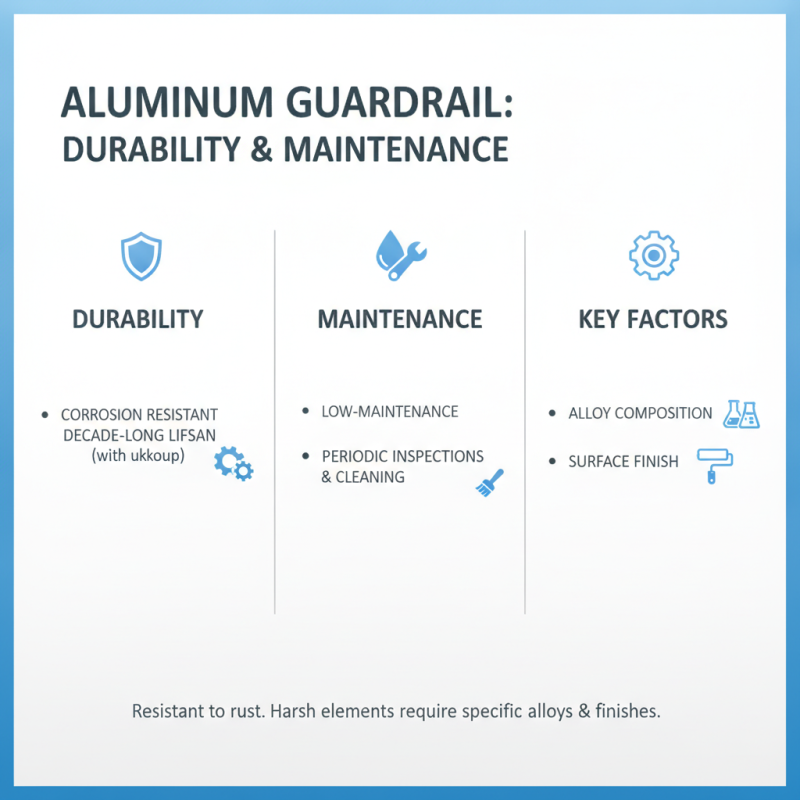
When evaluating aluminum guardrails, durability and maintenance requirements are crucial. Aluminum is known for its resistance to corrosion and rust, making it ideal for various environmental conditions. Industry reports indicate that properly maintained aluminum guardrails can last for decades. However, exposure to harsh elements can lead to wear over time. Therefore, choosing the right alloy composition and surface finish is essential.
Routine inspections are necessary to ensure the longevity of aluminum guardrails. Look for signs of discoloration or surface abrasion, which may indicate deterioration. Regular cleaning can help keep the guardrails in optimal condition. Using a mild detergent solution effectively removes dirt and contaminants without damaging the surface. Additionally, applying a protective sealant every few years can enhance durability.
Tips: Inspect railings regularly. Clean them with gentle soap and water. Consider sealants for extra protection. Choosing durable materials aids in reducing future maintenance costs. An informed choice today can save considerable hassle later on. Always evaluate your specific environment and needs.
Cost Analysis: Budgeting for Aluminum Guardrail Installation and Upkeep
Choosing the right aluminum guardrail involves careful planning and budgeting for both installation and maintenance. Understanding costs can help improve safety while managing financial expectations. The installation of aluminum guardrails generally incurs initial expenses, which can vary based on location and complexity. Additionally, routine maintenance costs should not be overlooked as they impact long-term durability.
Consider these tips when budgeting for aluminum guardrails. First, obtain multiple quotes from contractors. This practice helps you gauge market rates and avoid overpaying. Also, factor in the cost of materials. High-quality aluminum might cost more upfront but can save on maintenance in the long run.
Evaluate the maintenance needs of your chosen guardrail. Although aluminum is durable, weather conditions and wear can necessitate occasional repairs. Regular inspections can prevent costly replacements. Many overlook these ongoing expenses, leading to financial strain later. Staying informed and budgeting wisely can ensure you get the best value for your investment.