Best Aluminum Guardrail Options for Global Buyers?
In the quest for safety and durability, the Aluminum Guardrail has emerged as a popular choice worldwide. Its lightweight yet sturdy design makes it ideal for various applications. From highways to industrial sites, Aluminum Guardrails provide essential protection without compromising on aesthetics.
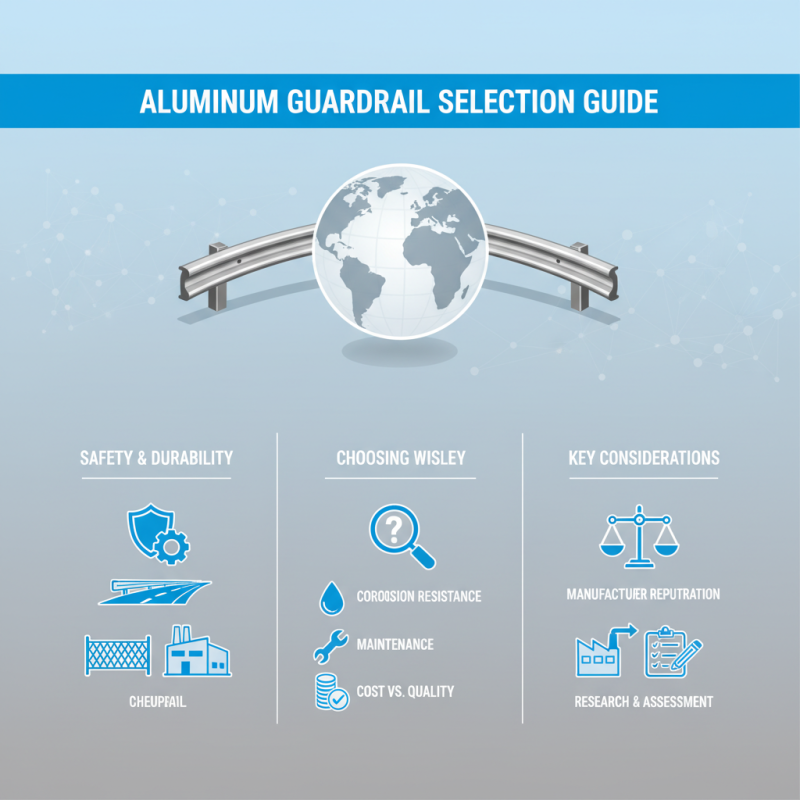
Choosing the right Aluminum Guardrail can be challenging. Many options exist, each catering to specific needs and budgets. Buyers must consider factors like corrosion resistance and maintenance requirements. While some products promise durability, others may not withstand harsh conditions. It’s vital to assess the quality thoroughly.
Quality is crucial in the selection process. Price shouldn’t be the only factor. It’s wise to balance cost with performance and reliability. While several manufacturers offer competitive products, buyers should research thoroughly. Understanding the nuances of different Aluminum Guardrail options can lead to better purchasing decisions.
Best Aluminum Guardrail Options for Global Buyers: An Overview
When exploring the best aluminum guardrail options for global buyers, it's essential to consider several factors. Aluminum guardrails are popular due to their lightweight nature and corrosion resistance. They are ideal for various applications, from commercial sites to residential projects. A well-installed guardrail not only enhances safety but also improves aesthetics.
Different regions may have specific requirements for guardrail installations. Understanding local codes is vital. Many buyers may face challenges in sourcing materials that meet these regulations. Each project may demand unique designs tailored to the environment. The balance between functionality and style often requires careful thought, as not all options will satisfy both needs.
Sustainability is another key consideration. Aluminum is highly recyclable, which appeals to environmentally-conscious buyers. However, it's crucial to assess the materials used in the production process. Finding reliable suppliers who prioritize sustainability can be tricky. Many options exist, but not all may deliver the promised quality. Consideration of feedback from previous users can guide informed decisions, helping to navigate potential pitfalls in the selection process.
Understanding the Key Benefits of Aluminum Guardrails in Various Applications
Aluminum guardrails are increasingly popular across various applications. Their lightweight nature makes installation easier, reducing labor costs. Unlike steel, aluminum does not corrode, which is essential for coastal or humid locations. Many industries, including construction and transportation, benefit from this durability. These guardrails can withstand harsh weather, extending their life span considerably.
In aesthetics, aluminum guardrails offer sleek designs that enhance any environment. They can be customized in different colors and finishes. This flexibility allows businesses to maintain a modern look while ensuring safety. However, buyers must choose designs wisely. Some options may lack the necessary structural integrity for specific applications.
Cost is another aspect worth considering. While aluminum can be more expensive upfront, its low maintenance needs can lead to savings over time. Balancing initial costs with long-term benefits is crucial for smart purchasing. Many buyers find it challenging to weigh these factors effectively. Understanding the full scope of aluminum guardrails is vital for informed decision-making.
Market Analysis: Global Demand Trends for Aluminum Guardrails in 2023
The global demand for aluminum guardrails has been increasing steadily in 2023. According to a recent market analysis, the industry's compound annual growth rate (CAGR) is projected at 5.6%. This growth is driven by the rising need for safety solutions in various settings. Construction sites and urban infrastructure are key areas seeing heightened adoption of aluminum guardrails.
Market trends indicate that North America and Europe are leading in consumption. In North America alone, the market share is around 40%, fueled by stringent safety regulations. Yet, challenges remain. There are concerns about the sustainability of aluminum extraction. Many manufacturers struggle to balance production with environmental responsibilities. The shift toward recycled aluminum presents both an opportunity and a complication. Not all facilities are equipped for such processes.
Asia-Pacific is emerging as a vital market. Rapid urbanization and infrastructure development push the need for safer environments. However, competition is intense. Smaller companies often struggle to comply with international standards. This creates a gap for those who can provide quality without compromising safety. The evolving landscape highlights the importance of innovation in material use and design.
Global Demand Trends for Aluminum Guardrails in 2023
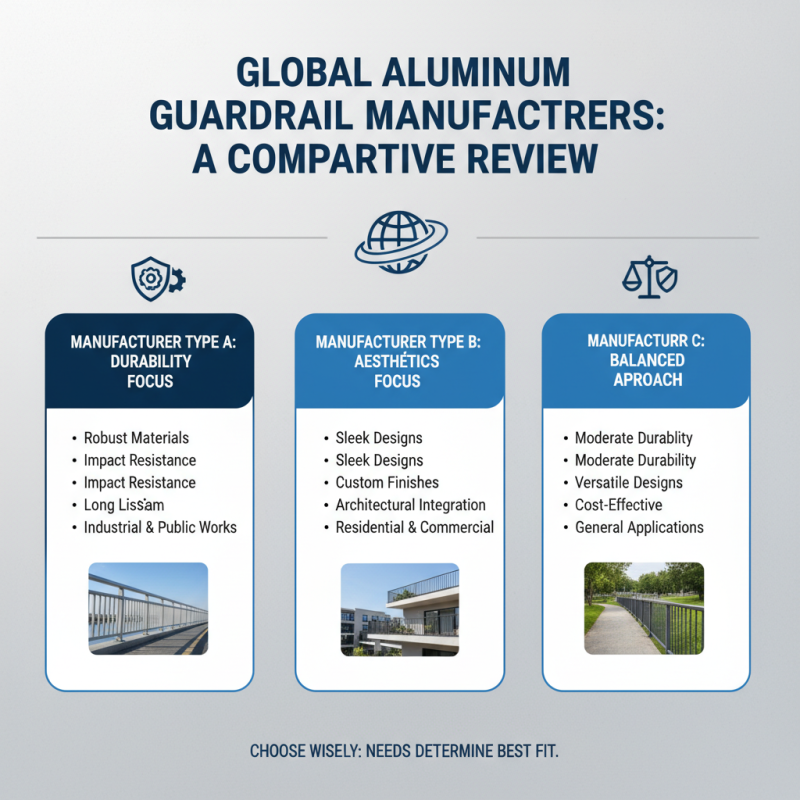
Comparative Review of Leading Aluminum Guardrail Manufacturers Worldwide
When exploring aluminum guardrail options, it’s essential to analyze global manufacturers. The market offers various choices, each with unique features that appeal to diverse needs. Some manufacturers prioritize durability, while others focus on aesthetics. Understanding these differences is crucial for effective decision-making.
One notable aspect is the difference in design and functionality. Some manufacturers provide customizable options, allowing buyers to tailor products to specific project requirements. Others emphasize modular designs that simplify installation. However, not all options are flawless. Certain brands may have inconsistent quality due to varying production standards. This inconsistency can lead to safety concerns and increased maintenance costs.
Buyers should consider the reputation of manufacturers. Researching customer reviews and industry certifications can provide insight into reliability. However, some buyers may overlook this crucial step. Consequently, they risk choosing subpar products that don’t meet their expectations. Evaluating the expertise of companies is vital. With careful consideration, buyers can find suitable aluminum guardrail options that align with their specific needs.
Safety Standards and Regulations Governing Aluminum Guardrails in Construction
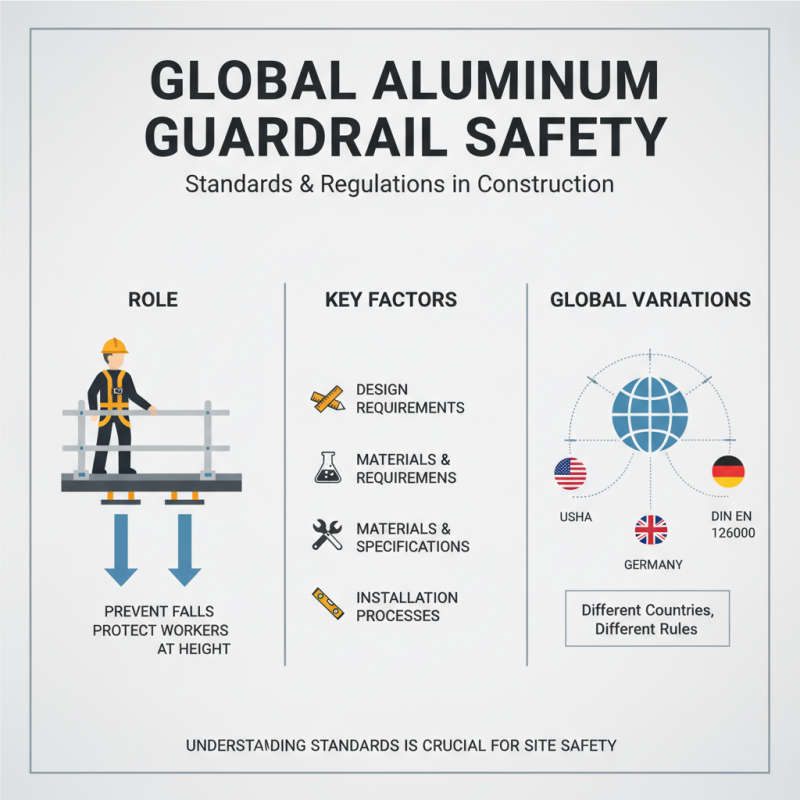
Aluminum guardrails play a crucial role in construction safety. They help prevent falls and protect workers at height. However, understanding safety standards is vital. Different countries have varying regulations. These govern the design, materials, and installation processes for guardrails.
In the United States, OSHA sets specific requirements. The guardrails must withstand a certain amount of force. They should also be mounted at a height that meets safety guidelines. On the other hand, Europe follows EN standards, which emphasize durability and compliance testing. Each standard aims to reduce accidents on construction sites.
Despite regulations, some projects overlook these critical details. Inadequate training on guardrail installation can lead to unsafe conditions. It's essential to reflect on past incidents. Ensuring adherence to these standards is not just a legal obligation. It’s a moral one that prioritizes safety over cost. As guidelines evolve, staying informed helps minimize risks in the workplace.