Best Aluminum Railings for Modern Homes and Commercial Use?
Aluminum railings have gained popularity in both modern homes and commercial settings. Their light weight, durability, and resistance to rust make them a preferred choice. According to recent market studies, demand for aluminum railings has grown significantly, with projections showing a 15% increase over the next five years. This trend highlights their rising importance in architectural design.
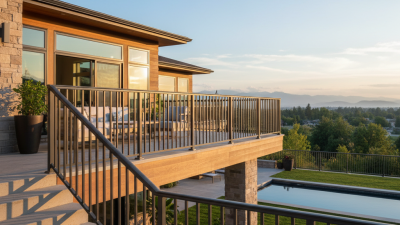
Incorporating aluminum railings can enhance safety without compromising aesthetic appeal. They are available in various styles and finishes, catering to diverse design preferences. However, not all aluminum railings are created equal. Some manufacturers might cut costs, impacting quality. Homeowners and builders must focus on reputable brands known for high standards.
Despite their benefits, there are challenges to consider. Improper installation can lead to structural issues. Furthermore, the initial cost may be higher compared to wood or vinyl. It's vital to weigh these factors carefully when selecting the best aluminum railings for your project.
Top Features to Consider in Aluminum Railings for Modern Designs
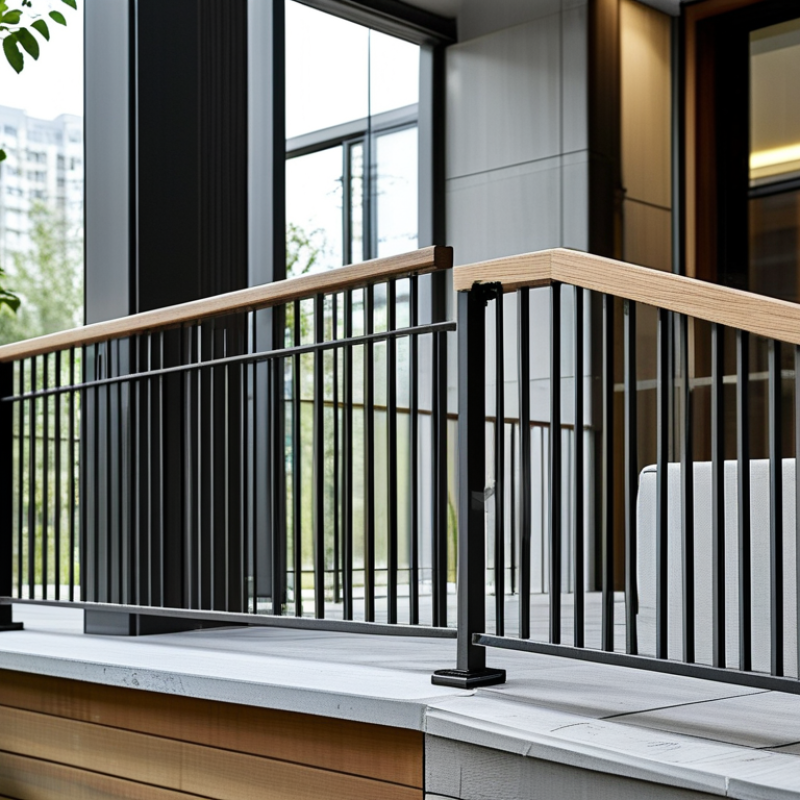
When choosing aluminum railings for modern designs, several key features stand out. Durability is essential. Aluminum railings resist rust and corrosion, making them ideal for varying climates. Despite this, some products can have coatings that wear over time. Regular maintenance checks are necessary to ensure they continue to perform well.
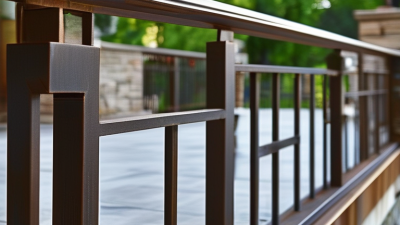
Aesthetic appeal is another important factor. The sleek and minimalistic look of aluminum railings complements contemporary architecture. Available in various colors and finishes, they can enhance any space. However, not all finishes are scratch-resistant, and faded colors can detract from the overall design. It’s wise to select finishes specifically designed for outdoor use.
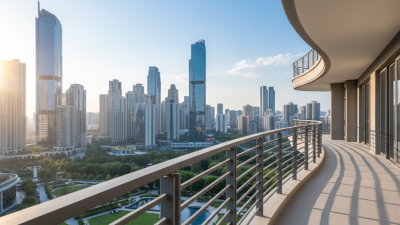
Safety features should never be overlooked. Consider railings with sturdy construction that meet local building codes. Look for designs that offer a secure grip, especially for high-rise applications. Unfortunately, some railings may not be as stable as claimed, leading to concerns about longevity. It's crucial to research and consult professionals when selecting the best options for your needs.
Comparing Aluminum Railings: Durability, Style, and Maintenance
Aluminum railings are becoming popular for both modern homes and commercial spaces. Their durability is one of their strongest attributes. According to a study by the Aluminum Association, aluminum can last for decades with proper care. This longevity makes it an attractive option for those looking for low-maintenance solutions. Indeed, aluminum does not rot or warp like wood, which needs regular staining or sealing.
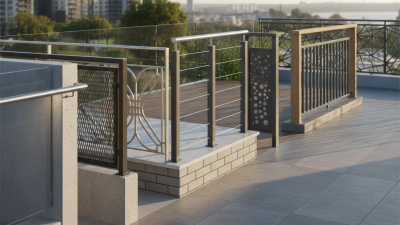
Style is another important factor in selecting aluminum railings. They come in various designs, from sleek and minimalist to ornate patterns. This versatility allows for seamless integration into various architectural styles. A report from the American Society of Interior Designers highlights that the right railing can enhance a building's aesthetics, contributing to overall property value.
However, some homeowners may find the color options limited compared to other materials like wood or composite. Maintenance is straightforward with aluminum railings. They typically require only occasional cleaning with soap and water. However, some users report challenges with dirt accumulation in intricate designs.
While aluminum is resistant to rust, it can suffer from scratching and denting if not handled carefully. This aspect warrants consideration in high-traffic areas where wear and tear are likely.
Popular Styles of Aluminum Railings for Homes and Commercial Spaces
Aluminum railings are an excellent choice for modern homes and commercial spaces. They offer durability and aesthetic appeal. Among popular styles, the sleek, minimalist designs stand out. Many homeowners favor horizontal slats for their contemporary look. Meanwhile, commercial spaces often opt for glass infill, blending elegance with safety.
When choosing aluminum railings, consider the surface finish. Anodized finishes can enhance resistance to corrosion. Powder coating adds vibrant colors and long-lasting protection. Each option changes the overall vibe of the space. Reflect on how color affects mood. White can feel clean and spacious, while dark colors might create a cozy environment.
Tips: Always evaluate the height and spacing of railings to meet safety standards. Remember to assess the local building codes, as they can vary significantly. If you're unsure, consulting a professional can help. Having the right knowledge elevates your project, ensuring it is both stylish and safe.
Cost-Effectiveness of Aluminum Railings in Modern Architecture
Aluminum railings are gaining popularity in modern architecture for numerous reasons. First, their cost-effectiveness is a significant advantage. Compared to traditional materials, aluminum is both affordable and durable. It requires less maintenance, which saves money in the long run. This reduces the overall investment for homeowners and commercial properties alike.
In addition, aluminum railings offer a sleek and contemporary look. They blend well with various architectural styles, enhancing the overall aesthetic appeal. With different colors and finishes, customization is simple. This versatility makes aluminum a top choice for architects and builders focusing on modern design.
Tips for choosing aluminum railings include considering the building's overall style. Ensure that the design of the railing complements the structure. Look for railings with good warranty options to ensure long-lasting quality. Finally, think about safety features. Stronger railings can provide added protection, especially in high-traffic areas. Balancing cost and quality is vital for both residential and commercial applications.
Installation Tips for Achieving Optimal Results with Aluminum Railings
Installing aluminum railings can greatly enhance the aesthetics and functionality of modern homes and commercial spaces. Proper installation is essential for achieving optimal results. Start by selecting the right materials and tools for your project. Research different types of aluminum railing systems. Each comes with its specifics. Ensure you understand the installation steps outlined by the manufacturer.
Measure your space carefully before cutting any materials. Precision is crucial, as mistakes may lead to gaps or misalignments. Secure support posts firmly to the ground. The stability of railings relies heavily on these posts. Additionally, consider the height and spacing of the rails. They should comply with local building codes. This is often a point where errors can occur. Focus on the details to avoid potential safety issues.
When it’s time to assemble, follow the instructions closely. It might seem straightforward, but oversight can lead to structural weaknesses. Inspect for any misalignments after installation. This is where adjustments may be needed. A final, thorough inspection can save you from future problems. Being meticulous ensures the longevity and reliability of your aluminum railings.
Best Aluminum Railings for Modern Homes and Commercial Use
| Feature |
Description |
Installation Tips |
| Durability |
Aluminum railings provide excellent resistance against rust and weather elements, making them ideal for various climates. |
Ensure proper sealing and maintenance to extend lifespan. |
| Design Versatility |
Available in various styles and finishes to complement modern home aesthetics. |
Choose a style that matches your existing decor for seamless integration. |
| Low Maintenance |
Require minimal upkeep compared to wood railings, which need repainting or staining. |
Regular cleaning with mild soap and water is sufficient. |
| Safety Features |
Many aluminum railings come with safety features, including a sturdy structure and non-slip finishes. |
Follow manufacturer guidelines for installation to ensure safety compliance. |
| Cost-Effectiveness |
Initial investment may be higher, but longevity saves money in the long run. |
Consider long-term maintenance costs when evaluating budget. |