10 Best Aluminum Rods for Your Metalworking Projects?
In the world of metalworking, choosing the right materials is crucial for success. Aluminum rods are widely used due to their lightweight and strength. Expert Andrew Thompson, a seasoned metallurgist, once stated, "The right aluminum rod can make or break your project." This highlights the importance of selecting quality materials.
Various types of aluminum rods are available on the market. However, not all rods meet the specific needs of every project. Some may bend easily, while others may lack the necessary corrosion resistance. It's vital to understand these differences to avoid costly mistakes.
When embarking on your next metalworking endeavor, consider the details. Look for rods that offer a perfect balance of strength and flexibility. Reviews and recommendations play a key role in this decision. Many professionals stress the value of firsthand experience with these products. Take time to explore options and choose wisely.
Understanding Different Aluminum Alloys for Metalworking Applications
When it comes to metalworking, understanding aluminum alloys is crucial. Aluminum is lightweight yet durable, making it a popular choice. Different alloys offer varied properties, useful for specific applications. For example, 6061 aluminum is known for its excellent mechanical properties. It works well in structural applications due to its strength. In contrast, 3003 aluminum is more malleable, which is advantageous for forming processes.
Another key alloy, 7075, is one of the strongest aluminum alloys available. It’s often used in aerospace applications. However, its high strength comes at a cost; it’s less resistant to corrosion. This makes it essential to consider the environment your project will face. Many metalworkers might overlook these details, focusing only on strength. It’s vital to balance strength, weight, and resistance to wear.
Expanding your knowledge of aluminum alloys can enhance your projects significantly. Choosing the right alloy can lead to better performance and longevity. Experimenting with different materials allows you to find what works best for your needs. Pay attention to the specs and potential drawbacks of each alloy choice. Remember that the right alloy can greatly impact your project’s overall success.
10 Best Aluminum Rods for Your Metalworking Projects
The following chart displays a comparison of strength and weight for different types of aluminum rods commonly used in metalworking projects. This information can help you choose the best aluminum alloy for your specific needs.
Key Properties of Aluminum Rods: Strength, Weight, and Corrosion Resistance
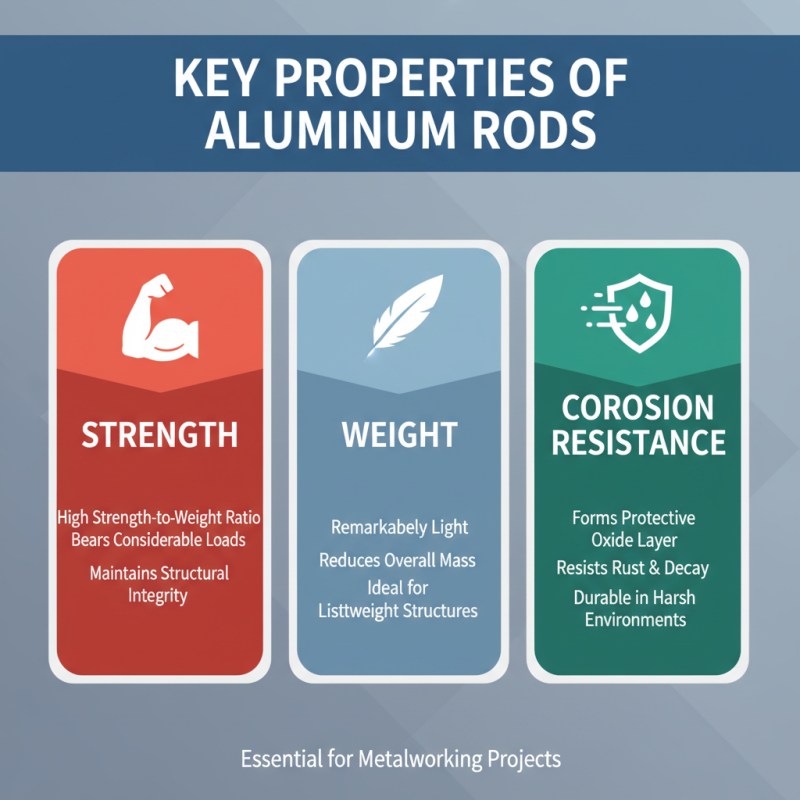
When selecting aluminum rods for metalworking projects, understanding their key properties is vital. Aluminum is known for its remarkable strength-to-weight ratio. This means it can bear considerable loads without adding excessive weight. For many applications, this property is crucial. It allows for the creation of lightweight structures that still maintain structural integrity.
Corrosion resistance is another significant aspect of aluminum rods. They form a natural oxide layer which protects them from moisture and environmental damage. This feature makes them ideal for outdoor and marine applications. However, one must be aware that not all aluminum alloys have the same corrosion resistance. It's essential to choose the right alloy for specific conditions.
**Tip:** Always test the alloy in real-world conditions before large-scale applications. Real-world tests often reveal strengths and weaknesses not evident in control conditions.
Weight is also a factor to consider. While aluminum is lighter than steel, it’s essential to calculate load-bearing needs accurately. Using underpowered rods can lead to failure.
**Tip:** For larger projects, consider a balance of materials. Mixing aluminum with other metals can optimize weight and strength while compensating for aluminum's weaknesses.
Top Manufacturers of Aluminum Rods and Their Industry Reputation
Choosing the right aluminum rod for metalworking is crucial. Various manufacturers stand out in the industry. They have built their reputation on quality and innovation. A few key aspects are essential when selecting a manufacturer. Look for companies with a track record of reliability and positive feedback from users. This gives a better insight into their products and services.
Tips: Research customer reviews online. Look for common themes in feedback. This will help uncover the true quality of their rods.
Another important factor is the range of products. Some manufacturers offer a variety of sizes and alloys. This flexibility can be a game-changer for specific projects. Don't overlook the importance of customer service. A responsive support team can make a significant difference.
Tips: Reach out with questions before purchase. A quick response can indicate how much they value their clients. Evaluate how they handle inquiries – this reflects their commitment to customer satisfaction.
Understanding a manufacturer’s reputation is vital. Investigate their history in the industry. Longevity often correlates with reliability. Sometimes newer brands present risks that established names do not. Aim for balance in quality, service, and reputation to ensure a successful metalworking project.
10 Best Aluminum Rods for Your Metalworking Projects
| Type |
Diameter (inches) |
Length (feet) |
Alloy |
Weight (lbs) |
Price ($) |
| Solid |
0.25 |
12 |
6061 |
1.2 |
15 |
| Hollow |
0.50 |
10 |
2024 |
1.5 |
20 |
| Flat |
1.00 |
6 |
7075 |
3.0 |
25 |
| Angle |
1.50 |
8 |
6063 |
4.0 |
30 |
| Square |
0.75 |
12 |
5083 |
2.2 |
18 |
Comparative Analysis: Pricing and Performance of Leading Aluminum Rods
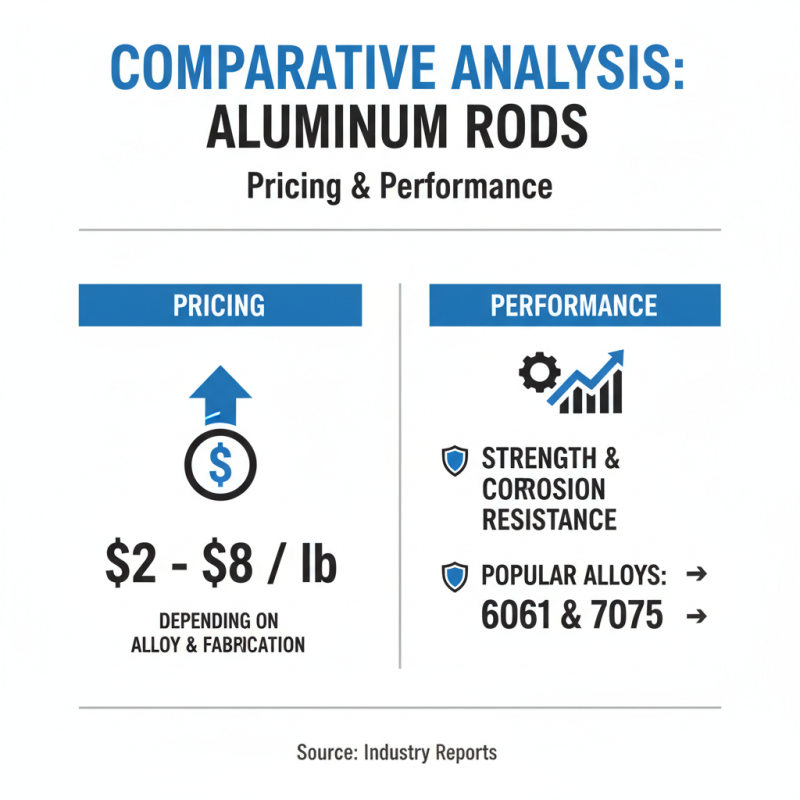
When evaluating aluminum rods for metalworking, pricing and performance play crucial roles. Industry reports indicate that high-quality aluminum rods typically range from $2 to $8 per pound, depending on the alloy and fabrication methods used. For projects requiring strength, rods such as 6061 and 7075 are often recommended. These alloys provide excellent corrosion resistance and mechanical properties, making them popular among metalworkers.
Performance tests reveal that 6061 aluminum rods excel in welding and machining, while 7075 offers higher strength. However, the cost difference can be significant. Users may find that 7075 rods are almost 50% more expensive than 6061. This price variation can impact project budgets. A careful assessment of project requirements is essential to avoid overspending on unnecessary strength. Performance should always be balanced with cost considerations.
While aluminum rods provide versatility, they are not without limitations. Some inexpensive forms can lead to warping during machining. It's essential to choose rods that fit the specific application. Inspecting material certifications can also yield insights into the reliability and intended use. In the end, ensuring that the chosen aluminum rods align with both budget and performance needs is crucial for successful metalworking projects.
Applications of Aluminum Rods in Various Metalworking Projects
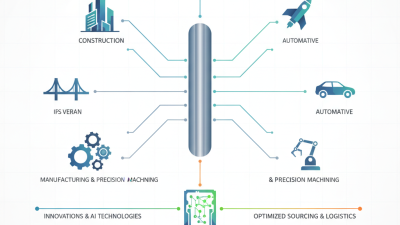
Aluminum rods play a crucial role in various metalworking applications. These versatile materials have a broad range of uses in industries such as aerospace, automotive, and construction. According to the Aluminum Association, global demand for aluminum is expected to grow by over 30% by 2025, showcasing its importance in modern manufacturing.
In aerospace, aluminum rods are used for structural components due to their lightweight and high strength-to-weight ratio. This leads to improved fuel efficiency and reduced emissions. The automotive sector utilizes aluminum rods in engine parts and frames to enhance performance and durability. A report from Research and Markets indicates that aluminum's usage in automotive applications will rise by 25% in the next few years.
While aluminum rods are advantageous, choosing the right grade is essential. Factors like corrosion resistance and mechanical properties must be considered. Many fabricators struggle with inconsistencies in sourcing, leading to performance issues. Understanding the specific requirements of each project is key to overcoming these challenges. This emphasizes the need for proper research and technical input before selecting aluminum rods for any project.