Best Aluminum Siding Roll Options for Global Buyers?
When considering home improvement, the choice of siding can significantly impact both aesthetics and durability. Aluminum siding roll has emerged as a favored material for its versatility and strength. Many global buyers are exploring the best options available in the market. This introduction delves into the essential features of aluminum siding roll, offering insights into its benefits and shortcomings.
Aluminum siding is known for its resistance to harsh weather. It's lightweight yet robust, making it an ideal choice for various climates. However, not all aluminum siding rolls are created equal. Some are prone to dents or fading over time, leading buyers to question their investment. Understanding these nuances is crucial for informed decision-making.
Investing in quality aluminum siding roll undoubtedly enhances a home’s exterior. Yet, the process of selecting the right type can feel overwhelming. With countless brands and variations available, it’s vital to research and weigh options carefully. Finding the best product means balancing cost, durability, and appearance to achieve a long-lasting solution.

Understanding Aluminum Siding: Key Features and Benefits
Aluminum siding is an increasingly popular choice among homeowners for its
durability and aesthetic appeal. Industry reports indicate that the global aluminum siding market is projected
to grow at a CAGR of 5.2% from 2023 to 2030. This growth reflects a rising demand for
exterior solutions that balance functionality with design. Homeowners appreciate aluminum siding for its
lightweight properties. This feature makes installation less cumbersome and
often leads to lower labor costs.
The benefits of aluminum siding extend beyond its ease of use. This material is resistant to corrosion,
which is particularly vital in coastal areas. According to a recent market analysis, aluminum siding can last over
40 years with proper maintenance, outperforming vinyl
in longevity. However, potential buyers must consider that aluminum can dent easily upon impact. This aspect may pose
concerns in regions prone to severe weather or hail storms.
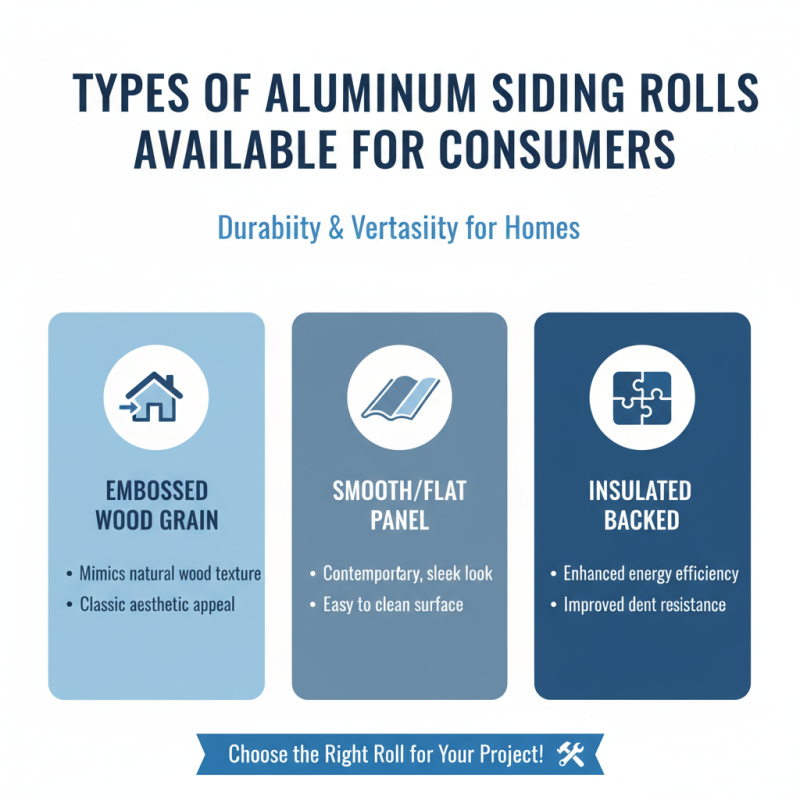
Furthermore, aluminum siding is highly customizable. It can be painted in various colors, allowing for a personal touch.
However, color fading can occur over time, affecting aesthetics. While many homeowners appreciate the
low maintenance nature of aluminum, some may find the initial investment higher compared to other materials.
Balancing these factors is essential for making a sound decision.
Top Brands Offering Aluminum Siding Rolls Globally
When considering aluminum siding rolls, global buyers have a plethora of options. The demand for durable and sustainable building materials has driven the aluminum siding market growth. According to recent industry reports, the global market for aluminum siding is expected to reach over $20 billion by 2026, with a compound annual growth rate of around 5.2%. Top brands contributing to this growth are recognized for their commitment to quality and innovation.
Aluminum siding offers several benefits, including resistance to weather and pests, which attracts buyers. It’s lightweight and easy to install, making it a practical choice for contractors. However, not all aluminum siding rolls are equal. Some may lack the durability or finish desired by customers. Global buyers should evaluate the coatings and finishes of products to ensure long-lasting performance.
Tip: Look for suppliers with transparent testing processes and certifications. This can help ensure the quality of the product you are purchasing.
When it comes to environmental impact, the recycling of aluminum is a crucial factor. Many manufacturers prioritize sustainable practices. However, not every brand discloses their environmental policies clearly. Be mindful of brands that do not provide sufficient information. For buyers, it’s important to dig deeper into the practices of potential suppliers.
Comparative Analysis of Pricing and Quality in Aluminum Siding Options
When choosing aluminum siding rolls, pricing and quality are key considerations. Aluminum siding is both durable and lightweight. This makes it appealing to many homeowners and builders. However, not all aluminum siding products are created equal. Pricing can vary significantly based on thickness, finish, and brand reputation.
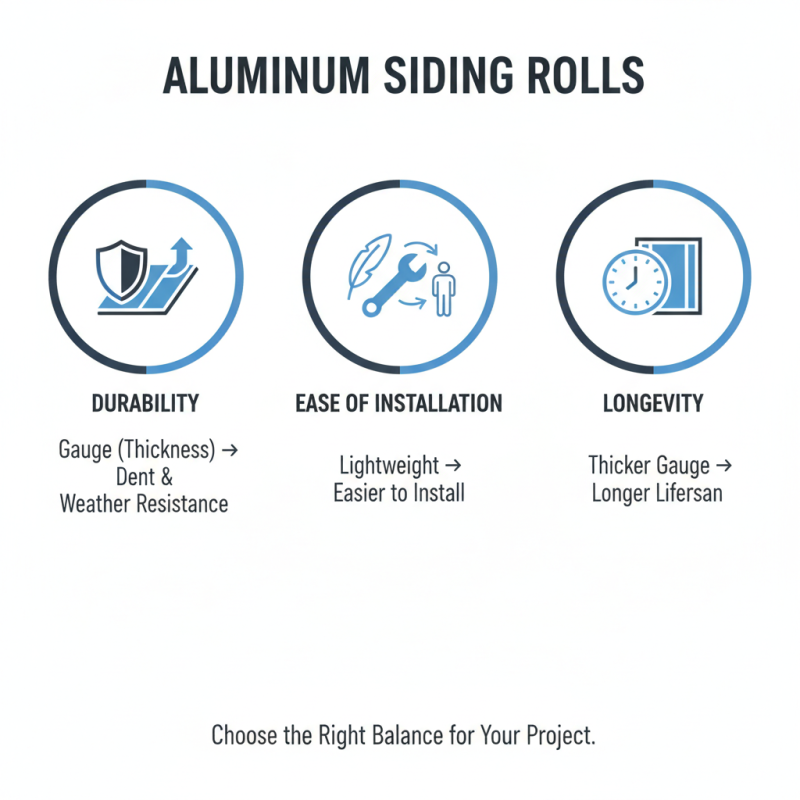
In terms of quality, the gauge of the aluminum plays a crucial role. Thicker aluminum typically offers better resistance to dents and weathering. Buyers often overlook the importance of proper coatings that can enhance longevity and appearance. Cheaper options may lack these protective features. It is essential to evaluate not just the price tag but also the value you receive in terms of durability.
Notably, some budget-friendly aluminum siding may require frequent maintenance or replacement. This can pose challenges for global buyers who may not have easy access to repairs. It's worth reflecting on the long-term impact of these choices, considering both immediate costs and potential future expenses. Making informed choices is the key to ensuring satisfaction with your aluminum siding purchase.