China Best Aluminium Plate for Global Buyers in 2026?
The aluminium plate market is evolving rapidly as global demand increases. By 2026, buyers will seek high-quality products that meet specific standards. China's position as a leading producer is notable.
Chinese manufacturers focus on innovation and efficiency to stay competitive. They invest in advanced technology and strict quality control. This approach ensures that the aluminium plates offered are durable and reliable. However, not all products meet the expected benchmarks. Some manufacturers may cut corners to reduce costs, impacting quality.
Buyers must do thorough research before making purchases. Understanding the specific needs for aluminium plates is crucial. It helps identify reputable suppliers and avoid inferior options. As we look to 2026, the emphasis should be on quality, sustainability, and trust in producers.
China's Aluminium Plate Market Overview for 2026
China’s aluminium plate market is projected to experience growth in 2026. Demand for lightweight, durable materials is the driving force. The market is expected to expand at a CAGR of 5.4% from 2022 to 2026, according to market analysts. Major sectors such as automotive and aerospace prioritize aluminium for its strength-to-weight ratio.
In 2026, production capacity is anticipated to reach approximately 5 million metric tons. This will cater to the growing international demand. The Asia-Pacific region remains a key player, accounting for over 45% of global consumption. Notably, the construction sector significantly fuels this demand. Challenges exist, particularly regarding environmental regulations and sustainability practices. Manufacturers must adapt to stricter policies. Implementing eco-friendly processes requires ongoing investment and innovation.
Quality control remains a focal point. The need for consistency in product specifications is paramount. Non-compliance can lead to costly repercussions. Furthermore, it is essential to address supply chain vulnerabilities exposed by recent global events. Diversifying sourcing strategies could mitigate risks. In reviewing these dynamics, stakeholders should remain agile and informed.
Key Players in China's Aluminium Plate Industry
The aluminium plate industry in China is evolving rapidly. Key players play a significant role in shaping the market. They influence trends and set standards in quality and innovation. These companies are not just manufacturers; they contribute to research and development, ensuring competitiveness globally.
The industry's growth stems from increasing demand across sectors. This includes aerospace, automotive, and construction. Companies are focusing on sustainable practices. However, challenges exist. Quality control can vary between suppliers, causing concerns for buyers. To address this, firms must enhance transparency in their production processes.
Collaboration among industry leaders is vital for future progress. Sharing expertise can lead to improved materials and techniques. As the global market demands higher standards, these players must adapt quickly. Investment in technology and talent will likely pave the way for future successes.
Technological Advancements in Aluminium Plate Production
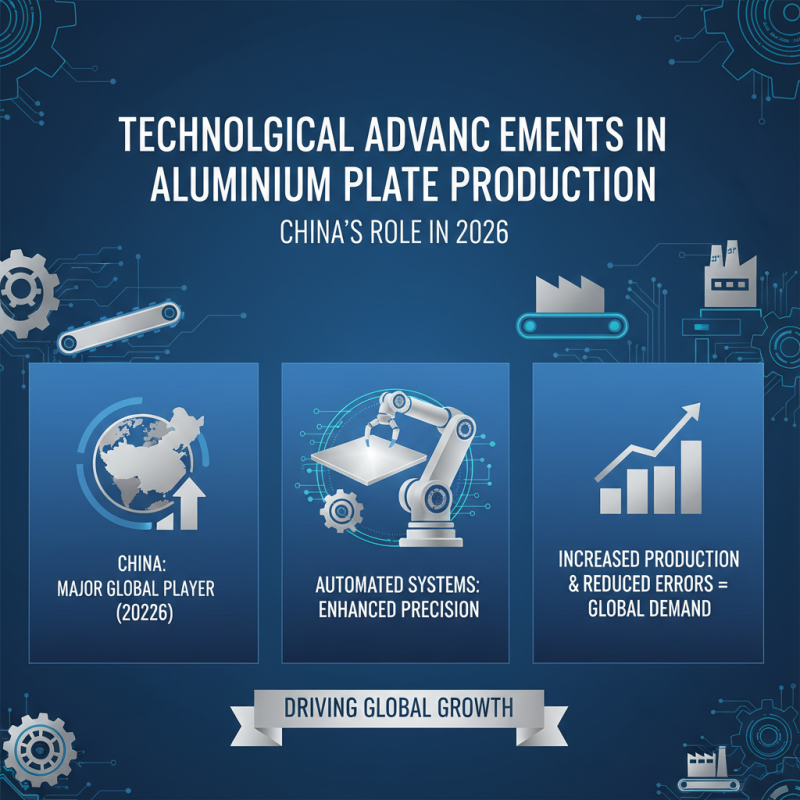
In 2026, China is poised to be a major player in the global aluminium plate market. Technological advancements in aluminium plate production will drive this growth. Factories are now using automated systems to enhance precision. Automation reduces errors and increases production rates, which is key for satisfying global demand.
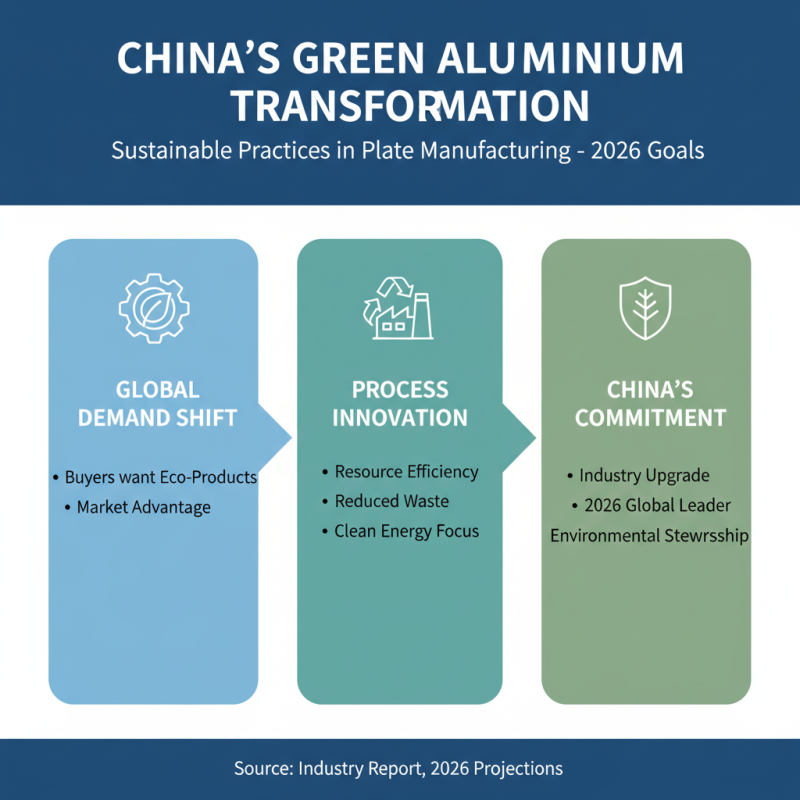
Innovation in materials science is also crucial. New alloys are being developed to improve strength and reduce weight. This is especially important for industries like aerospace and automotive. Energy-efficient processes are being implemented to minimize environmental impact. However, the transition to greener methods poses challenges. Many companies must adapt to new technologies quickly.
Quality control remains a critical issue. As production scales up, ensuring uniformity in products can be difficult. Close monitoring of the manufacturing process is necessary to maintain standards. Additionally, the global supply chain for materials is complex and often unpredictable. It requires constant adjustments and strategic planning. Despite these challenges, the path ahead looks promising for aluminium plate production in China.
Global Demand Trends for Aluminium Plates in 2026
In 2026, the global demand for aluminium plates is expected to rise significantly. Industries such as aerospace, automotive, and construction are leading this trend. Companies are increasingly turning to lightweight materials. Aluminium plates offer an excellent strength-to-weight ratio, which is crucial for efficiency.
However, not all markets will grow uniformly. Some regions may face supply chain challenges, affecting availability. Emerging markets may struggle with quality standards. This disparity could lead to fluctuating prices and reliability issues. Buyers must weigh these risks when sourcing materials.
Sustainability is becoming a priority for many manufacturers. They are investing in recycling and eco-friendly production methods. The focus is on creating a circular economy for aluminium. As consumer awareness increases, companies might need to adapt quickly. The evolution of these trends will shape the aluminium plate market in the coming years.
Global Demand Trends for Aluminium Plates in 2026