How to Choose the Best Privacy Fence Panels for Your Home?
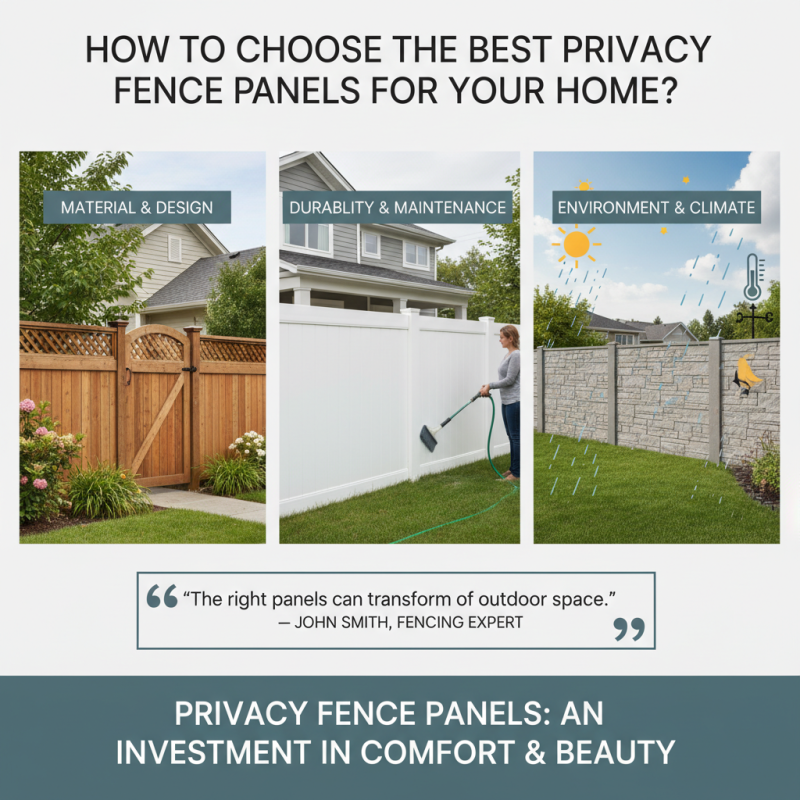
When it comes to enhancing your home's privacy, selecting the right Privacy Fence Panels is a crucial decision. According to John Smith, a respected expert in fencing solutions, “The right panels can transform your outdoor space.” Privacy Fence Panels not only provide seclusion but also add aesthetic appeal to your property.
Many homeowners overlook the importance of material and design. Vinyl, wood, and composite materials each offer unique benefits. For example, wood panels provide a natural look, while vinyl is low maintenance and durable. Choosing a style that complements your home is essential, yet many rush this decision.
Consider your local environment, too. Weather can impact materials profoundly. Often, homeowners forget to assess their area's climate before purchasing. This oversight can lead to a fence that damages easily or fails to perform as intended. Take time to contemplate your choices carefully. Privacy Fence Panels are an investment in your home’s comfort and beauty.
Factors to Consider When Choosing Privacy Fence Panels
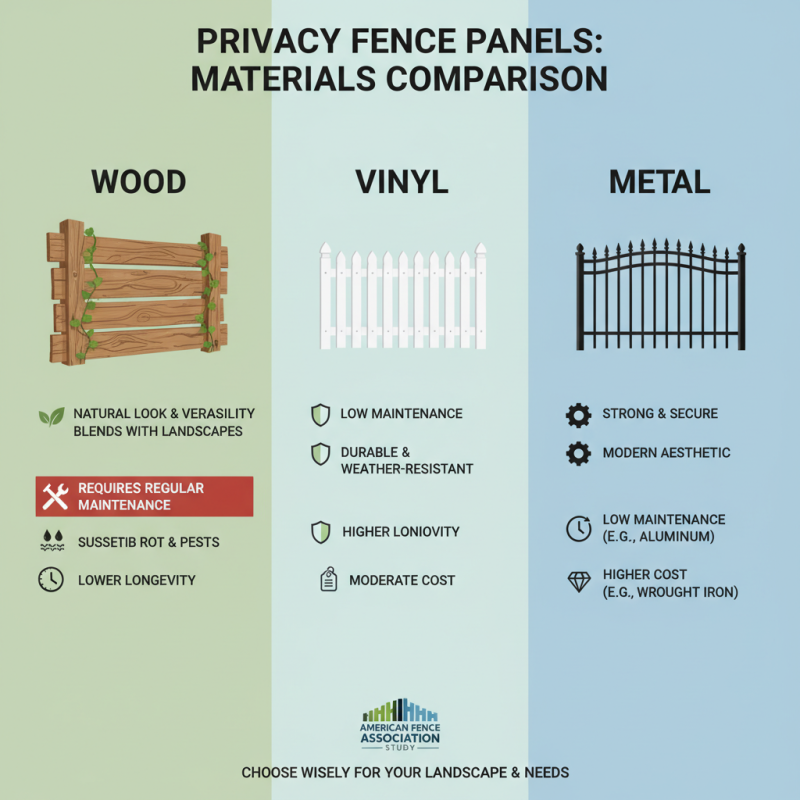
When choosing privacy fence panels, consider the material. Wood, vinyl, and metal each offer unique benefits. Wood provides a natural look but requires maintenance. Vinyl is low-maintenance and durable but may lack warmth. Metal fences are strong, but their appearance might be too industrial for some homes.
Tips: Measure your yard space. Think about what height you need. Taller fences offer more privacy. However, they can also affect sunlight and airflow. Be aware of local regulations regarding height and design.
Next, consider the style. Privacy fences come in many designs. Lattice tops, solid panels, and even decorative elements add character. However, choose a style that complements your home. A mismatched fence can detract from your property’s appeal.
Lastly, don't overlook installation. Some panels are easier to install than others. DIY can save money, but it may lead to mistakes. Hiring professionals ensures a polished look but increases costs. Reflect on your personal skills and budget before deciding.
Types of Materials for Privacy Fence Panels and Their Benefits
When selecting privacy fence panels, the choice of materials plays a crucial role. Wood, vinyl, and metal are commonly used materials, each offering unique benefits. A study by the American Fence Association reveals that wooden fences are popular for their natural look and versatility. They can blend seamlessly with various landscapes. However, wood requires regular maintenance and can be susceptible to rot. It's important to weigh these factors when considering longevity.
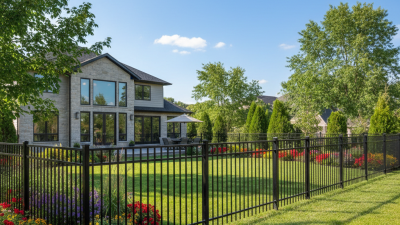
Vinyl fencing has gained traction due to its durability. It is resistant to harsh weather and does not require painting or staining. Recent reports indicate that vinyl can last 20 to 30 years with minimal upkeep. However, some may argue that it lacks the aesthetic appeal of natural wood. Color options and styles can be limited. Metal fencing, particularly wrought iron, offers strength and security. This type of panel is often seen in upscale properties. While it provides an elegant look, it can be prone to rust if not treated properly.
Ultimately, the selection process is personal and depends on one’s priorities. Budget constraints can also limit options. It's vital to reflect on maintenance commitments and the desired aesthetic. Each material comes with its own set of advantages and drawbacks. The right choice should align with your lifestyle and the environment of your home.
Measuring Your Space: Determining the Right Size for Fence Panels
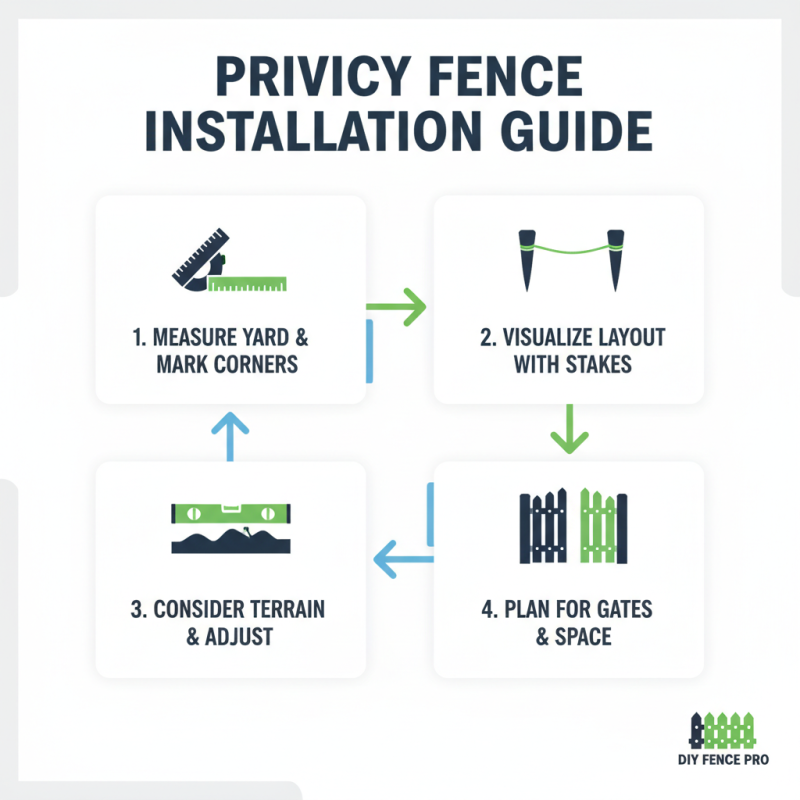
Measuring your space is essential when selecting the right size for fence panels. Start by understanding the area where the fence will be installed. Take accurate measurements of the length and height required. Consider the terrain as well. Is it flat or sloped? This can impact the installation process and the height of the panels. Using a tape measure, mark the boundary with stakes or chalk. This gives a clear visual of how the fence will fit into your yard.
Next, think about the style and purpose of your fence. If privacy is your goal, taller panels are better. However, a tall fence can feel imposing. Balance is key. Oversized panels may block sunlight and create shadows. On the other hand, smaller panels might not provide enough coverage. It's vital to consider the surrounding structures too. A small garden might look lost with large panels. Reflect on these details as you measure, because changes can lead to unexpected challenges.
Embrace the imperfections in your plans. They can lead to better solutions and creative designs.
Aesthetic Considerations: Matching Fence Panels to Your Home's Style
Choosing the right privacy fence panels involves more than just functionality. You want your fence to enhance your home's overall aesthetic. Consider the architectural style of your house. Is it modern, rustic, or traditional? A sleek metal fence may clash with a cozy cottage, while wood panels could perfectly complement it.
Textures also matter. A smooth, polished finish has a different feel than a weathered, reclaimed wood look. If your home features natural elements, a fence with a rough texture can merge seamlessly with the environment. Don't be afraid to mix materials, either. Combining wood panels with metal accents can create an interesting visual appeal.
Colors can make a big difference too. Light-colored panels can brighten your yard, while darker shades create a more intimate atmosphere. Think about how the colors harmonize with your exterior. Reflect on how each choice affects the overall vibe. Maintaining balance between your fence and home can require creativity and thought. Aim for unity without being overly matchy-matchy.