How to Choose the Right Aluminum Round Tube for Your Project?
Choosing the right Aluminum Round Tube for your project can be challenging. It requires understanding the specific requirements of your application. According to the Aluminum Association, the use of aluminum in construction has increased by 28% over the past decade. This trend reflects growing recognition of aluminum’s benefits, including strength-to-weight ratio and corrosion resistance.
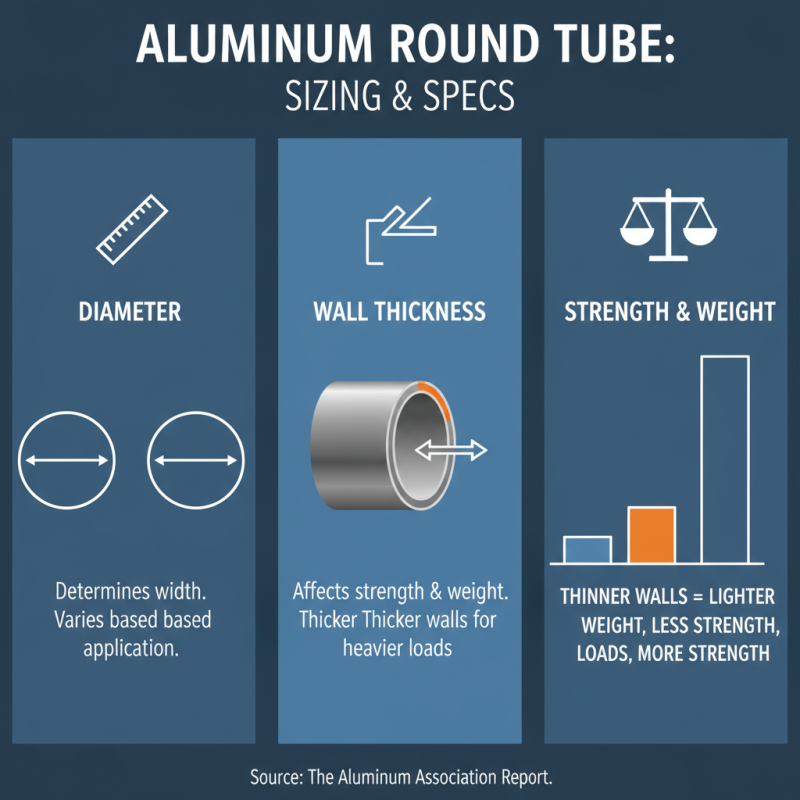
Expert James Parker, a consultant in the aluminum manufacturing industry, states, “Selecting the right aluminum tubing can significantly impact the durability and performance of your project.” This highlights the importance of making informed decisions. Many factors influence the choice of Aluminum Round Tube, including diameter, wall thickness, and alloy grade.
With the increasing demand for lightweight materials, the global aluminum tube market is projected to reach $12 billion by 2025. However, it is crucial to avoid common pitfalls. For instance, not accounting for the specific environmental conditions can lead to costly mistakes. Always assess your project's unique needs before determining the right Aluminum Round Tube for the job.
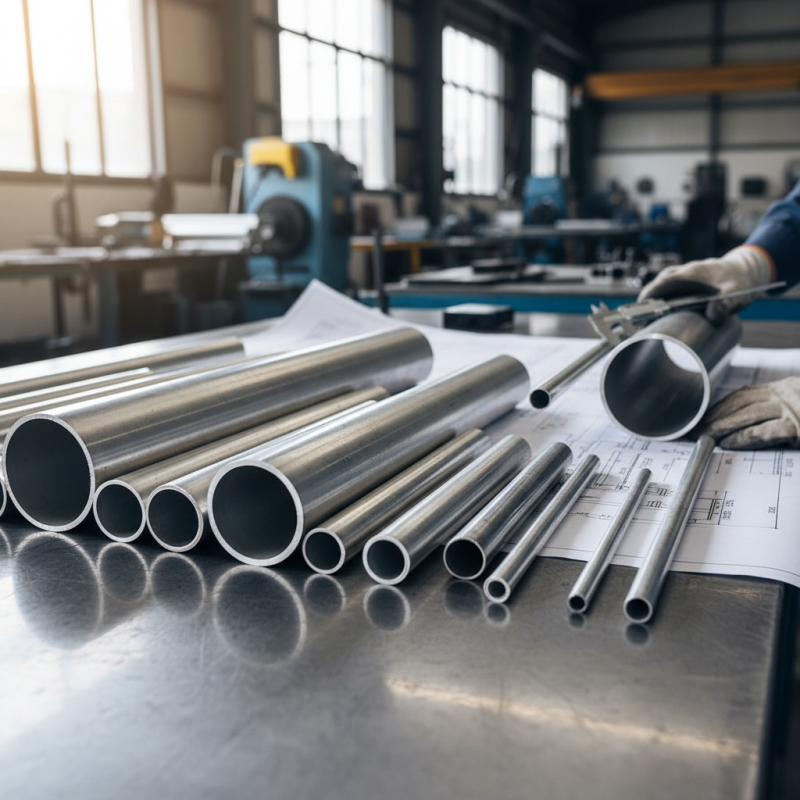
Understanding Aluminum Round Tube Applications and Uses
Choosing the right aluminum round tube is crucial for various applications, from construction to automotive uses. According to a recent industry report, the global aluminum tube market is projected to grow at a CAGR of 5.4% from 2021 to 2028. This highlights the increasing demand for lightweight and durable materials.
Aluminum round tubes are widely used in structural and hydraulic applications. Their corrosion resistance and strength-to-weight ratio make them ideal for marine environments. For instance, in the aerospace sector, these tubes can reduce overall weight and improve fuel efficiency. However, not all aluminum alloys are equal. A 6061 alloy is often favored for its excellent weldability and machining. Understanding these specifics can optimize project outcomes.
Furthermore, while aluminum round tubes are versatile, costs can vary significantly. Fabrication requires skill and precision. A poorly designed joint can lead to weak connections, impacting overall performance. While some companies claim to offer cost-effective solutions, cutting corners may compromise quality. An informed choice is essential for durability and function in your specific project.
How to Choose the Right Aluminum Round Tube for Your Project?
| Application |
Material Grade |
Diameter (inches) |
Wall Thickness (inches) |
Weight (lbs/ft) |
| Automotive Parts |
6061-T6 |
1.000 |
0.065 |
0.58 |
| Construction |
6063-T5 |
1.250 |
0.083 |
0.77 |
| Marine Applications |
6005A-T5 |
1.500 |
0.100 |
1.01 |
| Railings and Fencing |
6061-T6 |
2.000 |
0.125 |
1.60 |
| Furniture Design |
6063-T5 |
0.750 |
0.050 |
0.30 |
Key Factors to Consider When Selecting Aluminum Round Tubes
When selecting aluminum round tubes, several key factors come into play. One should consider the tube's diameter and wall thickness. The American Society for Testing and Materials (ASTM) standardizes these dimensions. Tubes typically come in sizes from 1/8 inch to over 12 inches in diameter, with wall thickness varying widely. Choosing the appropriate thickness is vital for strength and weight considerations; thinner tubes may flex under load while thicker options can increase weight unnecessarily.
Another aspect is the type of aluminum alloy used. The 6061 alloy is commonly favored for its excellent mechanical properties and resistance to corrosion. However, it may not be the best choice for all applications. The 3003 alloy offers better workability but lower strength. It's important to weigh these properties against project requirements. A report by the Aluminum Association indicates that over 60% of structural failures can be traced back to improper material selection, highlighting the need for careful evaluation.
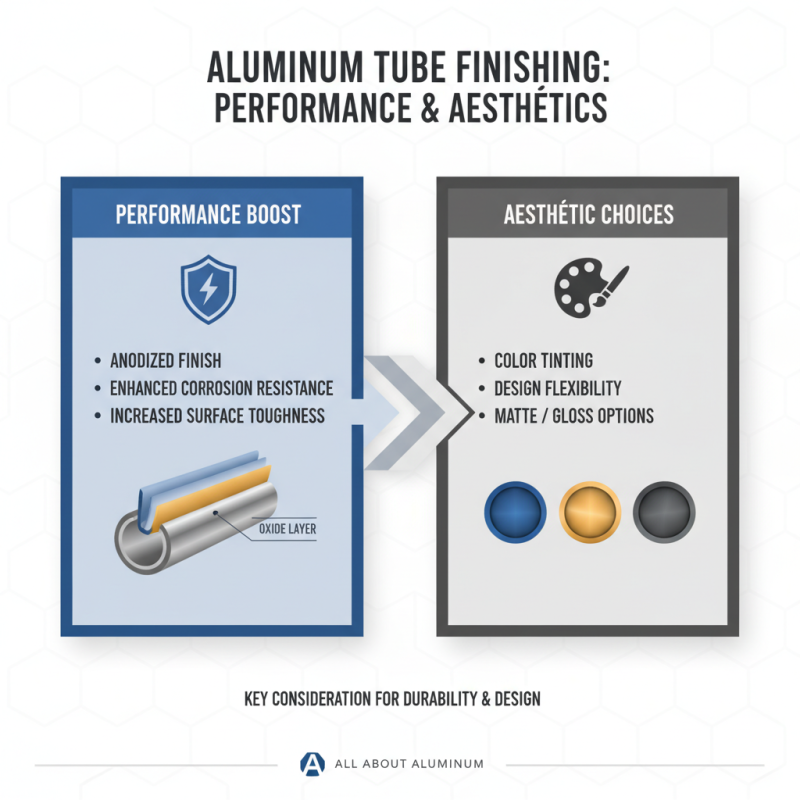
Finally, consider the finish and coating options available. Anodizing can enhance corrosion resistance significantly, while powder coating provides aesthetic appeal. Choosing the wrong finish can lead to performance issues in harsh environments. While there are many choices, assessing each factor based on project needs and environmental conditions is crucial. Taking time here can help avoid expensive mistakes.
Aluminum Round Tube Selection Factors
Comparing Different Aluminum Grades for Round Tubes
Choosing the right aluminum grade for round tubes can significantly impact your project. Different grades have unique properties that can affect strength, weight, and corrosion resistance. For example, 6061 aluminum is known for its excellent mechanical properties and corrosion resistance, making it a popular choice in construction and automotive applications. Data from industry reports indicate that 6061 accounts for nearly 60% of aluminum extrusions used in these sectors.
On the other hand, 7075 aluminum offers higher strength but less corrosion resistance. It is often used in aerospace industries. However, it is essential to note that this grade can be more challenging to weld. Also, choosing 2024 aluminum may be tempting due to its high strength-to-weight ratio. Yet, it requires a protective coating to prevent corrosion. Balancing these properties based on your project's needs is crucial.
Selecting the wrong grade could lead to failures in structural integrity. Assessing the specific conditions, like exposure to elements and the load requirements, is vital. While many projects thrive with predictable materials, unexpected failures remind us that careful consideration is necessary. Ultimately, the right choice lies in understanding each grade's trade-offs and benefits.
Finishing Options and Their Impact on Performance and Aesthetics
When selecting an aluminum round tube, finishing options are crucial. The finish not only affects the tube's appearance but also its durability. Anodized finishes, for example, enhance corrosion resistance. They provide a thicker layer of oxide, making the surface tougher. Additionally, this finishing method can be tinted to match your design preferences.
Another option is powder coating. This process creates a hard finish that protects against scratches and fading. It's especially useful for outdoor applications, as it can withstand harsh weather. However, it can be difficult to touch up if damaged. Reflect on your project needs carefully before deciding.
Tip: Always consider the environment where the tube will be used. Some finishes may not hold up in certain conditions. Thoroughly assess these factors to avoid future complications. You want a tube that blends aesthetics with function.
When in doubt, consult with experts in the field. They can provide insights into which finish will perform best. Balancing performance and looks is essential. Choose wisely to achieve the desired outcome.