Leave Your Message

How to Choose the Best Aluminum Banister in 2026

Choosing an Aluminum Banister in 2026 is not just a style decision. It affects how a stairway feels underhand, how securely rails connect, and how well the finish holds up outdoors. The U.S. Geological Survey’s Mineral Commodity Summaries 2025 estimates global primary aluminum production at about 72 million metric tons in 2024. That figure shows the material’s broad industrial scale, but it does not prove that any particular railing is safe or durable. Product-level evidence matters more.

Look beyond photographs. Check the alloy and temper, coating details, post spacing, infill design, and the type of anchors specified for your actual wall or deck structure. A sleek matte-black sample may look convincing in a showroom, yet a poorly matched coating can disappoint in a coastal setting. Small details matter. Ask for installation instructions, warranty terms, and test documentation where available. For stairs, balconies, and raised decks, have a qualified professional confirm that the proposed system suits the site and applicable building requirements.

The best choice balances appearance, maintenance, installation, and verified performance—not just the lowest quote. Compare complete systems, including brackets and fasteners, because these parts affect the finished assembly. If a seller cannot explain what a test covers, treat that as a reason to ask more questions, not as proof of failure. One limitation remains: broad aluminum-industry reports cannot tell you how a specific banister will perform. Careful product checks can.
How to Choose the Best Aluminum Banister in 2026

Understanding Aluminum Banisters and Their Main Types

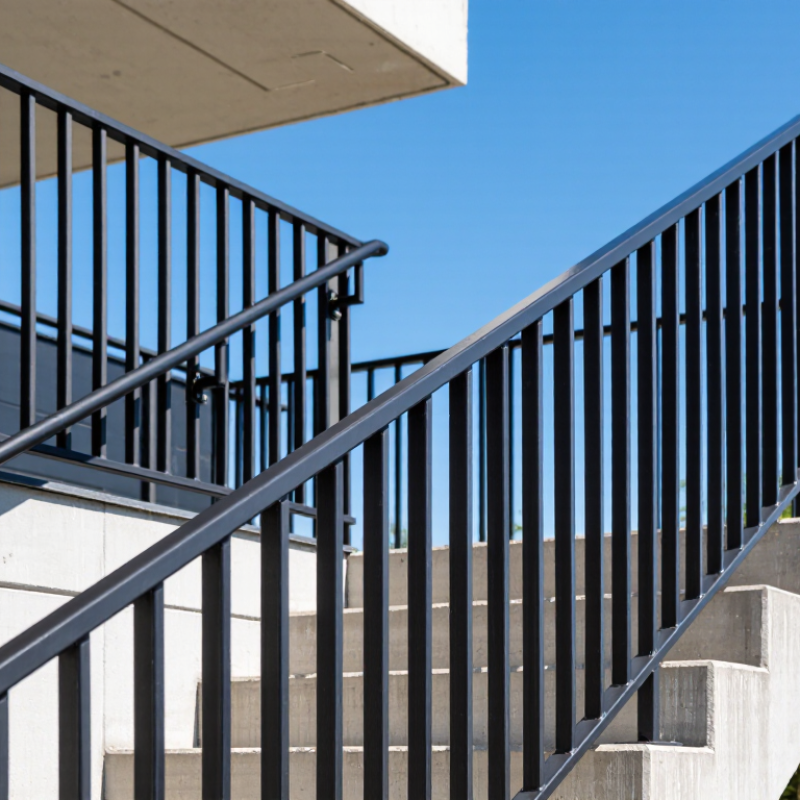
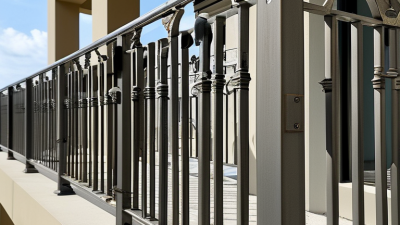
An aluminum banister is the handrail and supporting guard system fitted along stairs, balconies, or raised decks. Aluminum is relatively light, resists corrosion, and needs less upkeep than many untreated metals. Still, it is not maintenance-free. Check joints, fasteners, and the finish periodically, especially near the coast or where winter de-icing salts are used. A loose connection matters more than a small scratch.

Picket-style systems use vertical bars between the top and bottom rails. They suit many homes and allow open views, while closely spaced pickets help limit gaps. Panel systems use solid or perforated infill for a more sheltered feel. Glass-panel versions keep sightlines clear, but fingerprints and cleaning become part of the routine. Cable infill looks minimal, though cables need correct tension and may require more frequent inspection. Looks are only part of the choice.

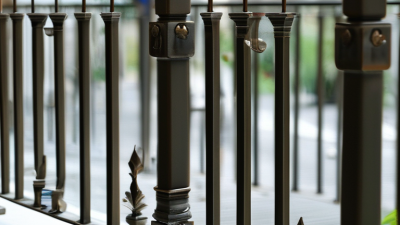
The main components can also vary: square or rounded posts, different handrail profiles, and surface finishes ranging from smooth powder coating to textured options. For a narrow staircase, a slim profile may feel less bulky in the hand. On an exposed deck, consider drainage and how the finish handles sun and moisture. Measure each run and check how the system attaches to the surface. Existing stairs are rarely perfectly square, an inconvenient detail that can affect fit. Confirm load ratings, opening dimensions, and installation requirements with product documentation or a qualified installer before choosing.
Assessing Safety, Building Codes, and Installation Needs

Choosing an aluminum banister in 2026 means checking more than finish and price. It must suit the stair geometry, mounting surface, and local building code. The CDC’s Older Adult Falls data for 2021 recorded over 38,000 fall deaths and about 3 million emergency-department visits among adults aged 65 and older. These figures include falls from many settings, not stairs alone, but they underline why a secure handhold matters.

Use code dimensions as a starting point, not a universal guarantee. The 2021 International Residential Code generally calls for 36-inch guards on residential decks and landings, handrails 34 to 38 inches high, and openings that do not pass a 4-inch sphere. Local authorities may adopt different editions or amendments. Measure the finished stair, including nosings, and confirm requirements before ordering. Small errors matter.

Installation depends on what the rail anchors into. A sturdy aluminum post can still fail if it is fastened only to thin trim or weak masonry. Check the manufacturer’s tested loading details, fastener type, post spacing, and substrate requirements; ask a qualified installer to inspect uncertain framing. I would not treat a catalog dimension as proof of safety. Dry-fit parts, keep the rail continuous where required, and check for movement after tightening. The awkward part is that the neatest layout may not match the structure underneath. Repairing that support first is usually safer than improvising.

Comparing Materials, Finishes, and Weather Resistance

Choosing an aluminum banister starts with its environment, not its color. Aluminum is lighter than steel and does not rust like untreated iron, but salt, standing water, and damaged coatings can still cause problems. For finish selection, compare anodizing with powder coating. Anodizing forms a hard oxide layer; powder coating offers a wider range of colors and textures. The Aluminum Association’s report Aluminum: The Element of Sustainability estimates that nearly 75% of all aluminum ever produced remains in use. That figure supports aluminum’s durability and recyclability, though it does not guarantee any railing will last without care.

Check coating specifications, not just product photos. AAMA 2604 and 2605 include South Florida outdoor exposure benchmarks of five and ten years, respectively. These are test requirements, not promises of service life. For a coastal deck, ask about coating performance, sealed joints, and isolation between aluminum and dissimilar metals. Stainless steel can also suit harsh settings, while wood needs regular protection from moisture and UV exposure. Small details matter.

One caveat: ratings cannot capture every site. Sun, salt spray, and poor drainage vary from home to home. I would inspect cut edges and fasteners, where finish damage can be easy to miss. Rinse salt deposits periodically, and repair scratches before corrosion spreads. A beautiful finish helps, but installation quality matters just as much.

How to Choose the Best Aluminum Banister in 2026

Comparing common railing materials and finishes for outdoor weather resistance.

Ratings are comparative guidance on a 1–5 scale, not standardized test results. Actual performance depends on alloy, coating quality, installation, maintenance, and exposure; salt air and de-icing salts can accelerate corrosion.

Evaluating Design, Maintenance, and Long-Term Costs

How to Choose the Best Aluminum Banister in 2026
Evaluating Design, Maintenance, and Long-Term Costs

A good banister should fit the stair, not just the catalog photo. Measure post spacing, handrail height, and turning points before comparing finishes. In coastal air, ask for documented coating performance and compatible fasteners; mixed metals can stain or corrode around joints. Powder coating can hide small marks, but chips need prompt repair. Not maintenance-free.

Long-term value is less about the lowest quote than the work it avoids. The Aluminum Association’s report Aluminum: The Element of Sustainability states that recycled aluminum uses about 95% less energy than primary aluminum. The International Aluminium Institute reports that roughly 75% of all aluminum ever produced remains in use today. These figures describe material sustainability, not the service life of a particular banister. Ask for recycled-content documentation, then compare installed prices, warranty exclusions, replacement-part availability, and cleaning instructions. A soft cloth and mild detergent are usually enough, but grime gathers around base plates. I would budget for occasional inspections, even when the rail still looks sound. That estimate is imperfect: exposure and installation quality can outweigh the alloy’s reputation.

How to Choose the Best Aluminum Banister in 2026 — Evaluating Design, Maintenance, and Long-Term Costs
Banister Configuration Appearance and View Typical Installed Cost (USD per Linear Foot) Routine Maintenance Long-Term Cost Considerations Best Suited For
Standard vertical pickets Traditional, open appearance; picket spacing and profiles can vary. $60–$120 Wash periodically with mild soap and water; inspect fasteners and finish for damage. Usually a relatively economical option. Cost can rise with complex layouts, premium finishes, or difficult installation conditions. Decks, porches, balconies, and stairways where a familiar railing style is preferred.
Horizontal or decorative infill More contemporary or ornamental look; infill patterns affect visual openness. $80–$160 Clean surfaces and check joints, connections, and finish condition periodically. Custom patterns and extra fabrication can increase initial costs. Confirm local requirements for infill design, especially where children may use the area. Projects that need a distinctive look without a fully transparent panel system.
Aluminum frame with cable infill Minimal, open sightlines; thin cables create a contemporary appearance. $100–$200 Clean the frame and cables; inspect cable tension and connections as recommended by the installer. More components and installation labor can raise upfront costs. Cable tension may need adjustment over time, depending on the system and use. Views where maintaining a relatively unobstructed outlook is important.
Aluminum frame with glass panels Clear, modern appearance with fewer visual interruptions than pickets. $150–$300 Clean glass to remove fingerprints, water marks, and dirt; inspect panel supports and seals. Glass and its handling can make installation more expensive. Replacement-panel availability and cleaning effort are worth considering. Balconies, terraces, or decks where wind screening and a clear view are priorities.
Custom aluminum design Made-to-order profiles, patterns, colors, or mixed infill options. $120–$250+ Care depends on the chosen finish and details; clean regularly and inspect joints and coated surfaces. Design, fabrication, finish selection, and site-specific fitting can increase both initial cost and replacement-part complexity. Renovations or new builds with unusual dimensions or a specific architectural design.

Cost figures are broad U.S. planning estimates, not quotes. Actual prices vary by region, railing height and layout, finish, infill, access, labor, and site preparation. Compare installed quotes on the same scope, and check local building-code requirements before choosing a design.

Selecting the Best Aluminum Banister for Your Project

Choosing the best aluminum banister for your project begins with its location and daily use. A stairway inside a dry home has different needs from an exposed porch facing rain and sun. Measure the full run, note every turn, and check where posts can attach to solid framing. Small measurement errors can leave awkward gaps. They happen.

Look closely at the finish, rail shape, and connection details. A textured finish may hide fingerprints better, while a smooth rail can feel more comfortable under the hand. For outdoor installations, ask how the finish resists corrosion and whether cut edges need protection. Check that the system’s posts, brackets, and infill work together; mixing parts can create alignment problems. Confirm dimensions and load requirements against applicable local building rules before ordering.

Think about the people using the stairs, too. Children, older adults, and anyone carrying laundry may benefit from a steady, easy-to-grip top rail.

Compare maintenance needs, not just the purchase price. Aluminum is generally light and corrosion-resistant, but it can still scratch or dent. One detail is easy to overlook: a sample finish may look different in bright outdoor light. Request a sample if appearance matters, then view it where the banister will actually sit.