How to Choose the Best Aluminum Tile for Your Project?
Choosing the right aluminum tile for your project can be a daunting task. Experts like Mark Anderson, a renowned architect specializing in sustainable materials, emphasize, “Selecting quality aluminum tiles can elevate both aesthetics and functionality.” Aluminum tiles provide versatile design options, ideal for both residential and commercial spaces. Their lightweight nature and durability make them a popular choice.
When considering aluminum tiles, factors like thickness, finish, and intended use are crucial. The market offers various styles, but not all are created equal. While some tiles may look appealing, they could lack essential durability. It’s essential to reflect on long-term performance rather than just visual appeal.
Understanding the nuances of aluminum tiles may require deeper research. Many choices are influenced by trends that may not last. For instance, a shiny finish might seem trendy now but could look dated quickly. Each selection should balance aesthetics with practical needs. The journey to finding the right tile is often filled with uncertainties, but embracing those challenges can lead to more informed decisions.
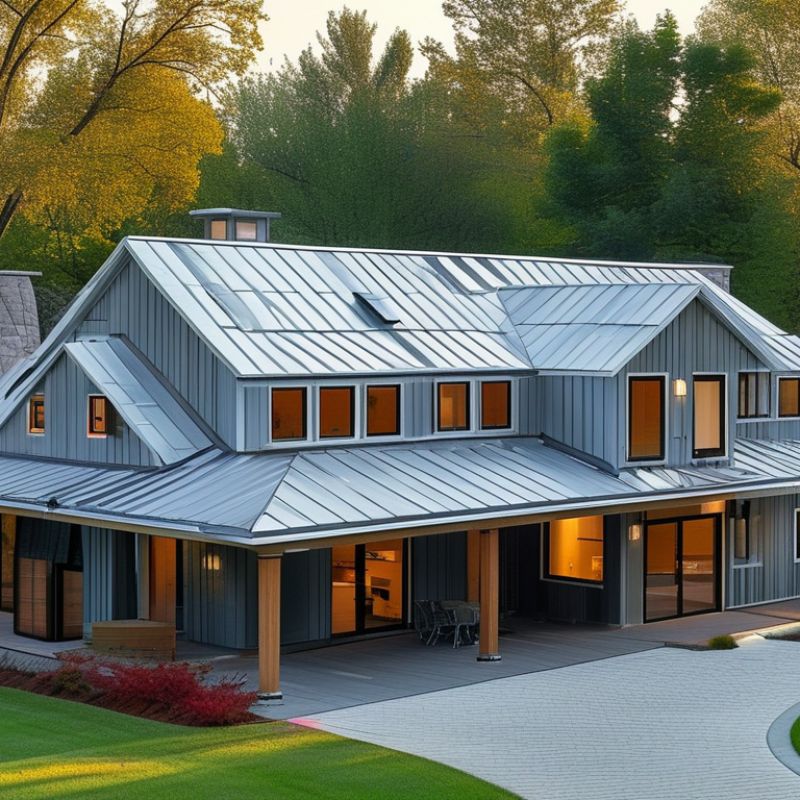
Understanding Different Types of Aluminum Tiles Available in the Market
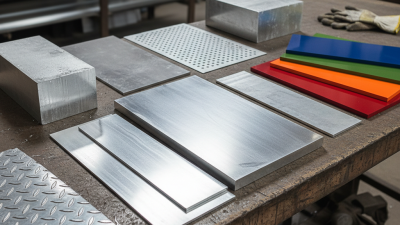
When selecting aluminum tiles, it's essential to understand the various types available. Aluminum tiles can vary significantly in their finishes, thickness, and intended applications. For instance, some tiles have a polished finish that reflects light beautifully, enhancing the visual appeal of any space. Others might offer a brushed texture, providing a more muted, modern aesthetic. The choice of finish can impact not just looks but also durability. A polished surface may scratch more easily than a textured one.
Consider the thickness of the aluminum tile as well. Thicker tiles often provide better structural integrity, making them suitable for high-traffic areas. However, they can also be heavier and more challenging to install. On the other hand, thinner tiles are lighter and easier to work with. However, they may not withstand heavy use. Reflect on the specific needs of your project to choose the right thickness.
Another critical factor is the tile's resistance to environmental factors. Some aluminum tiles are coated to resist corrosion, while others might not have this feature. This can be particularly important in high-humidity areas like bathrooms. The wrong choice may lead to issues down the line, such as warping or flaking. Taking time to research options and assess your project's specific needs can prevent costly mistakes later.
Evaluating Tile Durability and Maintenance Requirements for Your Project
When selecting aluminum tiles, assessing durability and maintenance is crucial. These factors impact both longevity and ongoing upkeep, affecting your overall satisfaction. A durable tile can withstand various conditions, from foot traffic to moisture exposure. Look for tiles with a solid finish to resist scratches and dents.
Maintenance requirements are equally important. Some aluminum tiles may need regular cleaning to maintain their shine. However, others might require little upkeep. Consider your lifestyle and the project's location. For high-traffic areas, choose tiles that are easy to clean and resistant to grime. Delve deeper into the specific requirements of each tile type. Reflect on your willingness to invest time and effort into maintenance.
It’s also wise to consult experts or experienced installers. They can offer insights on real-world performance. Testimonials from previous buyers can provide a clearer picture. Remember, not all aluminum tiles perform the same way in different environments. Every project is unique, and careful evaluation is essential to finding the right fit.
Determining the Right Size and Thickness for Your Aluminum Tiles
When selecting aluminum tiles, size and thickness are crucial. The size of the tiles can greatly affect the overall look and functionality of your project. Larger tiles can create a seamless appearance, ideal for open spaces. Smaller tiles, however, allow for intricate designs and can be easier to install in tight areas.
Thickness also plays a vital role in durability. Thicker tiles generally offer greater resistance to wear and impact. For high-traffic areas, consider using tiles that are at least 3 millimeters thick. Yet, thicker tiles can be heavier and may require a more robust substrate. Ensure your installation surface can support the weight to avoid problems later.
Tips: Always measure the area precisely before purchasing. This helps avoid costly mistakes or mismatched designs. Consider the overall aesthetics of your space. Mixing sizes can create visual interest but may require more planning. Test samples to see how different sizes and thicknesses look together. Remember, even experienced installers may encounter challenges, so stay patient during the process.
Choosing the Appropriate Finish and Color for Aesthetic Appeal
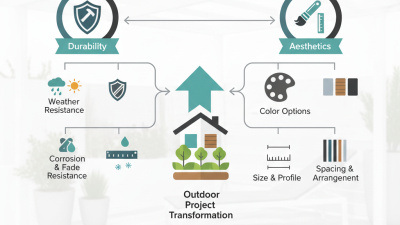
Choosing the right finish and color for aluminum tiles can dramatically impact your project's overall aesthetic. According to the American Institute of Architects, colors can influence perceptions of space. Lighter hues tend to make areas feel larger and more open, while darker shades create a cozy atmosphere. When selecting a color, consider the surrounding environment. A deep navy can evoke calmness, whereas vibrant red instills energy.
Finishes also play a critical role. A matte finish can provide a sophisticated appearance, absorbing light and reducing glare. In contrast, a glossy surface reflects light, enhancing brightness in smaller spaces. Industry studies show that 70% of homeowners prefer matte finishes for contemporary designs. This trend suggests a shift towards subtle elegance rather than bold statements.
It’s important to reflect on personal preferences and functionality. Certain finishes may require more maintenance, detracting from their beauty over time. Additionally, color choices should harmonize with existing fixtures and furnishings. After all, mismatched tones may disrupt the overall flow of a room. Mindfully curating a palette can result in a cohesive and inviting environment. Every choice should be deliberate, aware of how it contributes to the overall design narrative.
Aluminum Tile Finish Preferences
Budgeting and Cost Considerations When Selecting Aluminum Tiles
When selecting aluminum tiles for your project, budgeting is key. Understanding the costs involved will help you make an informed decision. The price of aluminum tiles can vary significantly based on quality, thickness, and finish. Generally, higher-quality tiles come with a greater price tag. Be prepared to explore a range of options to align with your budget.
Consider the hidden costs, too. Installation fees, underlayment, and maintenance can add up. Carefully calculate these to avoid overspending. Sometimes, the lowest-priced option might lead to higher costs down the line.
Tips: Estimate installation costs early. This allows you to see the total investment. Research bulk purchasing options. They can provide significant savings, especially for larger projects.
Reviewing samples is also valuable. Check for durability and aesthetics. Sometimes what looks good in pictures does not meet expectations in person. Prioritize quality to ensure your investment lasts. Reflect on the balance between style and function when choosing. Remember, the best choice is not always the cheapest.