How to Choose the Right Aluminium Plate for Your Project?
Choosing the right aluminium plate for your project is crucial. An expert in the industry, Dr. Jane Smith, states, "The right aluminium plate can make or break your design." Understanding the types and specifications of aluminium plates can greatly impact both function and aesthetics.
Aluminium plates come in various thicknesses, grades, and finishes. Each option serves a unique purpose. Whether for aerospace, automotive, or construction, the choice must align with project needs. A thick plate may provide durability but can add weight. A lighter option might sacrifice strength. The challenge lies in finding the right balance.
Investing time in knowledge gathering can minimize costly mistakes. Many overlook essential details, like corrosion resistance or weldability. These factors can change project outcomes significantly. Reflecting on past experiences, one might realize that the optimal choice wasn’t always made. Careful consideration of each characteristic ensures that the right aluminium plate leads to a successful and efficient project.
Understanding Different Grades of Aluminium Alloys and Their Properties
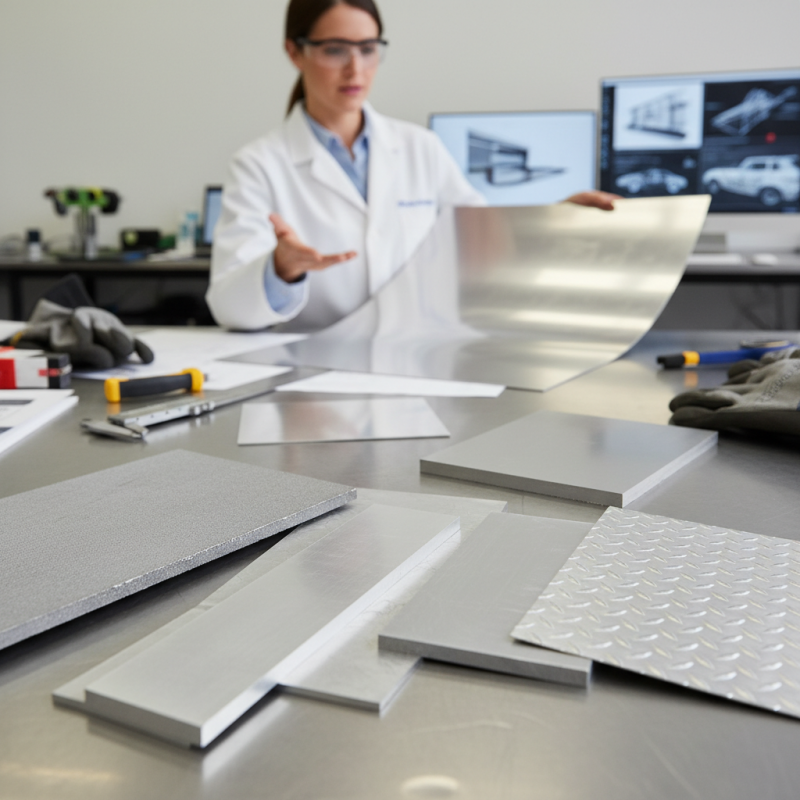
When selecting aluminium plates for a project, understanding the different grades of aluminium alloys is crucial. Each grade has unique properties that make it suitable for various applications. For instance, 2024 is known for its high strength, particularly in aircraft applications. It’s not the best choice for corrosion resistance, though. If you need something lighter and corrosion-resistant, consider 6061. It's versatile but may not have the same strength as 2024.
Next, think about how these alloys perform in real-world conditions. The longevity of a project can hinge on your choice. Some grades are softer and dent easily. Others can become brittle under certain conditions. Evaluating environmental factors can aid in your decision. Reflect on prototype testing. Sometimes, what looks good on paper fails in practice. It's all about striking a balance between strength, weight, and corrosion resistance. Do your homework and remain flexible. Mistakes happen, and learning from them is part of the process.
Key Factors in Determining the Thickness of Aluminium Plates for Projects
Choosing the right thickness for aluminium plates is crucial for any project. The thickness impacts both performance and cost. Industry reports indicate that most projects require aluminium plates ranging from 2mm to over 25mm thick. Each application demands careful consideration. For instance, structural applications typically use thicker plates for increased durability.
Weight considerations also play a significant role. Thicker plates weigh more, impacting overall project logistics. The optimal thickness often balances strength and weight. However, some professionals lean towards thicker plates than necessary. This can lead to excess costs without added value. On the other hand, too thin plates might not withstand required stress levels.
The environment can also dictate thickness. Harsh conditions can necessitate additional material. Yet, many designers overlook this factor. According to data, about 45% of projects fail to adequately assess environmental impacts on material choice. Reflecting on these details can prevent mistakes. Intelligent decision-making based on empirical data ensures successful outcomes in aluminium plate selection.
How to Choose the Right Aluminium Plate for Your Project?
| Project Type |
Recommended Thickness (mm) |
Common Applications |
Advantages |
| Automotive Components |
2.0 - 4.0 |
Body panels, frames |
Lightweight, corrosion resistance |
| Aerospace Applications |
3.0 - 5.0 |
Fuselages, wings |
High strength-to-weight ratio |
| Construction |
5.0 - 10.0 |
Frames, structural panels |
Durability, stability |
| Consumer Electronics |
1.0 - 3.0 |
Casing, heat sinks |
Thermal conductivity, lightweight |
| Marine Applications |
4.0 - 8.0 |
Boat hulls, decks |
Corrosion resistance, strength |
The Impact of Surface Finishes on Aluminium Plate Performance and Aesthetics
When selecting an aluminium plate, the surface finish truly matters. An anodized finish can improve durability. It protects against corrosion and wear. This type of finish also enhances the aesthetic look of the plate. The vibrant colors and uniform appearance appeal to many industries. However, some may find the maintenance challenging.
In contrast, a mill finish offers a more raw and industrial look. It is less processed but may not provide the same level of protection. Users must consider their project's environment. Will it face moisture or chemicals? If so, a more protective finish may be necessary. Conversely, a brushed finish can create a more refined appearance. It reflects light beautifully and adds elegance.
Choices can feel overwhelming. You want your plate to perform well and look great. However, prioritizing one over the other can lead to disappointment. Balancing aesthetics with functionality requires thoughtful consideration. Each finish has its unique benefits and drawbacks. Taking time to evaluate these aspects is crucial.
Cost Analysis: Comparing Price Points and Performance of Aluminium Plates
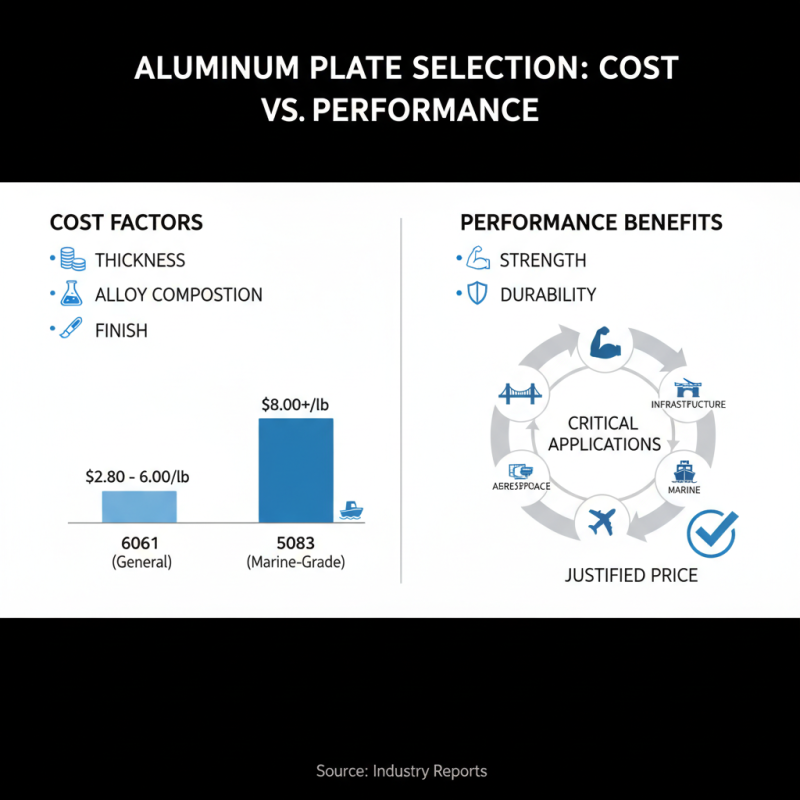
When selecting the right aluminium plate for your project, understanding cost versus performance is crucial. Aluminium plates vary in price due to factors like thickness, alloy composition, and finish. For instance, a 6061 aluminium plate might cost between $2.80 to $6.00 per pound, while a 5083 marine-grade option can reach $8.00 per pound. Reports indicate that the strength and durability of these plates justify their price, especially in critical applications.
**Tips:** Consider anticipated load and environment. Higher grades may be needed for nautical use. Don't skip testing material properties before buying.
Performance metrics are essential for decision-making. Strength, weight, and corrosion resistance often dictate the choice. A plate with high tensile strength will likely perform better under stress. However, it can be tempting to choose cheaper options for budget constraints. This could lead to unsatisfactory performance.
**Tips:** Review project specifications regularly. Ensure that dimensions and weight meet your requirements.
In addition, account for potential machining or finishing costs, which can add substantial expenses. A raw aluminium plate may be affordable, but finishing processes can drive the total cost sky-high. Reflecting on long-term project goals can help avoid overspending or underperformance.
Application-Specific Considerations: Choosing Aluminium Plates for Various Uses
When selecting aluminium plates for specific applications, it’s vital to understand the unique demands of your project. In construction, for example, a typical requirement is strength combined with lightweight properties. According to industry reports, 6061 aluminium plates are popular due to their corrosion resistance and good mechanical properties. This alloy is often preferred for structural applications.
However, not every application benefits from the same type of aluminium. In marine environments, 5083 aluminium may be more suitable. This alloy offers superior resistance to saltwater environments. Its ability to withstand harsh conditions without significant deterioration is crucial for boats and ships. Failing to select the right alloy can lead to costly repairs and safety issues.
Additionally, one shouldn’t overlook the thickness of the plate. Thinner plates can be easier to handle but may not provide the necessary strength in heavy-duty applications. Optimizing the thickness is a balancing act. Often, costs can escalate if the right specifications aren’t met from the start. Understand your project’s requirements thoroughly. Make sure to consult reliable industry reports and professionals when needed.
Aluminium Plate Application Comparison