How to Choose the Right Aluminum Guardrail for Your Property Safety Needs
When it comes to ensuring safety around your property, the choice of the right guardrail is crucial. Aluminum guardrails have become a popular option due to their durability, strength, and lightweight nature. According to industry expert John Thompson, a leading authority on construction safety, “Selecting the right aluminum guardrail not only enhances safety but also complements the aesthetic of your property.” This statement underscores the importance of thoughtful decision-making when choosing guardrails that meet both safety and design needs.
In the quest for optimal property protection, understanding the features and specifications of aluminum guardrails is essential. These structures provide reliable support while being resistant to rust and corrosion, making them suitable for various environments. Additionally, the flexibility in design options allows property owners to match the guardrail style with their overall landscaping and architectural vision. By considering factors such as height, reinforcement, and installation methods, individuals can tailor their selection to fit specific safety requirements.
Ultimately, making an informed choice regarding aluminum guardrails is vital for protecting people and assets. As you navigate through the numerous options available, remember that the right guardrail not only serves a functional purpose but also enhances the overall safety and appeal of your property.
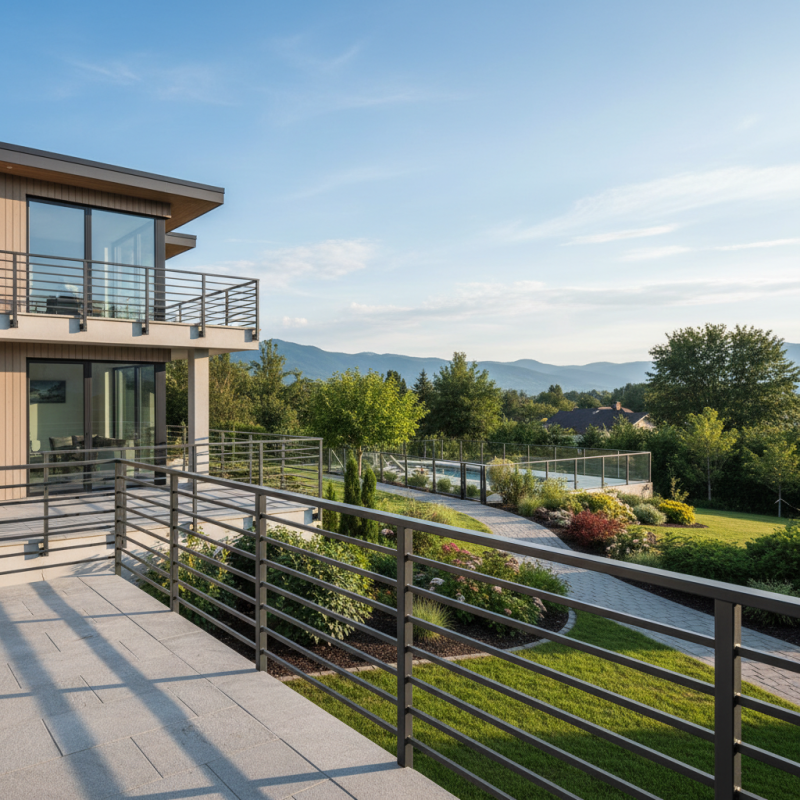
Understanding the Importance of Aluminum Guardrails for Safety
Aluminum guardrails are critical components in enhancing safety on properties, particularly in high-risk areas like decks, pools, and stairways. According to the National Safety Council, falls are one of the leading causes of injury at home, accounting for nearly 8.9 million visits to emergency rooms each year. Properly installed guardrails can significantly reduce the risk of such accidents, proving essential not only for residential safety but also for commercial properties where liability is a priority.
When selecting aluminum guardrails, it's essential to consider their durability and resistance to corrosion. Aluminum has been shown to outperform traditional materials in long-term performance, particularly in environments exposed to harsh weather conditions. A study from the American Institute of Steel Construction highlights that aluminum guardrails can maintain structural integrity for over 25 years when properly maintained, contrasting sharply with the shorter lifespan of wood or steel counterparts.
**Tips:** When choosing aluminum guardrails, ensure that they meet local safety codes and standards. It's advisable to check for certification labels from recognized organizations to guarantee quality. Additionally, consider options that include non-slip features to enhance safety further, particularly in wet areas.
Furthermore, consider the design and aesthetic appeal of the guardrails to ensure they complement your property's overall look. Innovative designs not only provide safety but can also enhance property value, as noted by the National Association of Home Builders, which reported that properties with enhanced safety features tend to see a favorable return on investment and higher buyer interest.
How to Choose the Right Aluminum Guardrail for Your Property Safety Needs
| Feature |
Description |
Safety Rating |
Maintenance |
| Durability |
Resistant to corrosion and weathering, suitable for outdoor use. |
High |
Low maintenance required, occasional cleaning needed. |
| Design Flexibility |
Available in various styles and colors to match property aesthetics. |
Medium |
Regular inspections recommended for aesthetic upkeep. |
| Installation |
Easy to install with standard tools; can be done DIY or professional. |
High |
Minimal upkeep after installation. |
| Cost-effectiveness |
Affordable compared to other materials, long-term investment. |
Varies |
Cost-efficient with low future repairs. |
Key Factors to Consider When Choosing Aluminum Guardrails
When selecting aluminum guardrails for your property, several key factors must be considered to ensure safety and functionality. First and foremost, assess the design requirements. The guardrail should blend seamlessly with your property while also meeting local building codes. This ensures not only aesthetic appeal but also compliance with safety regulations. A well-designed guardrail can enhance the overall look of your property while providing the necessary protection.
Another important factor is the size and height of the guardrails. Depending on the intended use, such as decks, balconies, or staircases, the height requirements may vary. A taller guardrail might be necessary in areas where there is a risk of falling. Be sure to measure the space accurately and choose a height that maximizes safety without compromising style.
Tip: When deciding on the height, consider the potential risks in your specific environment. For instance, a guardrail around a pool area may require different specifications than one around a garden.
Durability is also a critical consideration. Aluminum guardrails are known for their resistance to corrosion and adverse weather conditions, but it's essential to evaluate the alloy type and finish before purchase. A high-quality finish will not only enhance the guardrail's longevity but also reduce maintenance needs.
Tip: Look for aluminum guardrails that come with a warranty; this can provide peace of mind regarding their durability and performance over time.
Types of Aluminum Guardrails Available for Various Applications
When it comes to ensuring property safety, selecting the right aluminum guardrail is crucial. Various types of aluminum guardrails cater to different applications, each designed to meet specific safety standards and aesthetic requirements. For instance, residential properties often benefit from decorative aluminum guardrails that combine safety with style, while commercial buildings might require more robust options that comply with stringent building codes. According to industry reports, the demand for aluminum guardrails in the commercial sector has increased by approximately 15% over the past few years, highlighting their growing importance in safety infrastructure.
When choosing the appropriate aluminum guardrail, it’s essential to consider the specific application and environment. For example, marine-grade aluminum guardrails are ideal for properties near coastal areas, offering corrosion resistance against saltwater. Additionally, glass-infused aluminum guardrails are gaining popularity for high-end residential projects, providing unobstructed views while maintaining safety.
Tips: Always check that the selected guardrail meets local building codes and safety regulations. Additionally, evaluate the environmental conditions of your property; areas with high humidity or salt exposure may require specialized materials to ensure longevity and durability. Don't forget to consider maintenance needs, as some finishes may require more upkeep than others.
Installation Considerations for Aluminum Guardrails
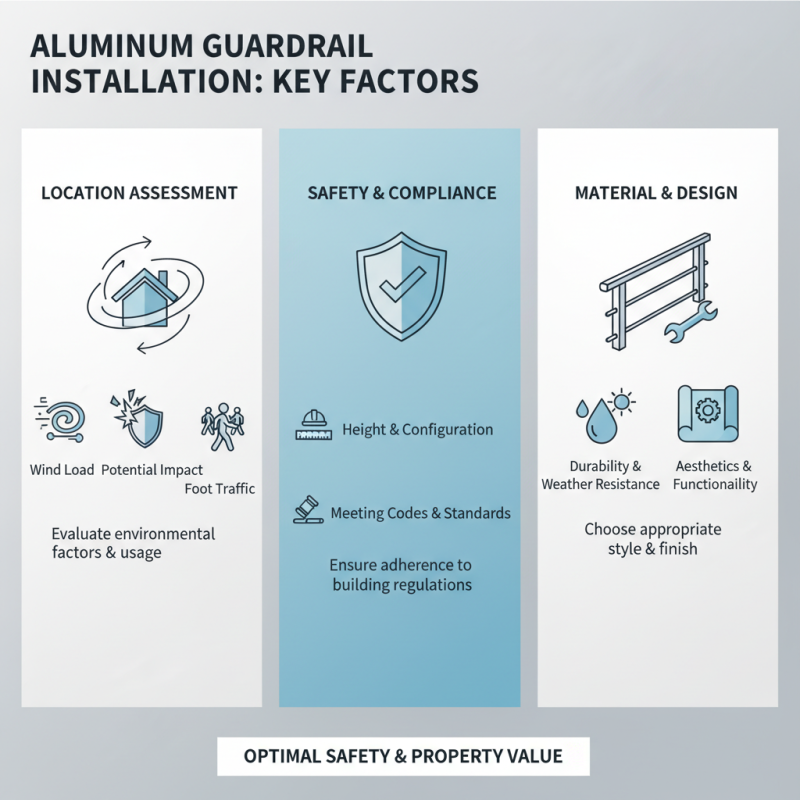
When considering the installation of aluminum guardrails, several critical factors should be taken into account to ensure optimal safety and functionality for your property. First and foremost, it is essential to assess the location where the guardrails will be installed. Different areas may have varying requirements based on environmental factors such as wind load, potential impact, and the level of foot traffic. Understanding these elements helps determine the appropriate height and configuration of the guardrail system to meet safety codes and standards.
Additionally, the installation process involves evaluating the soil type and structure of the property. Aluminum guardrails need a stable foundation to prevent any shifting or collapsing over time. If the property is on a slope, considerations must be made regarding the angle of installation, ensuring that the guardrail remains effective and applicable for safety needs. Moreover, it’s crucial to examine the connection points where the guardrails will be anchored, as sturdy securement is vital for reliability. By conducting a thorough site assessment and planning carefully, property owners can achieve a safe and effective guardrail system tailored to their specific needs.
Maintenance Tips for Long-lasting Aluminum Guardrails
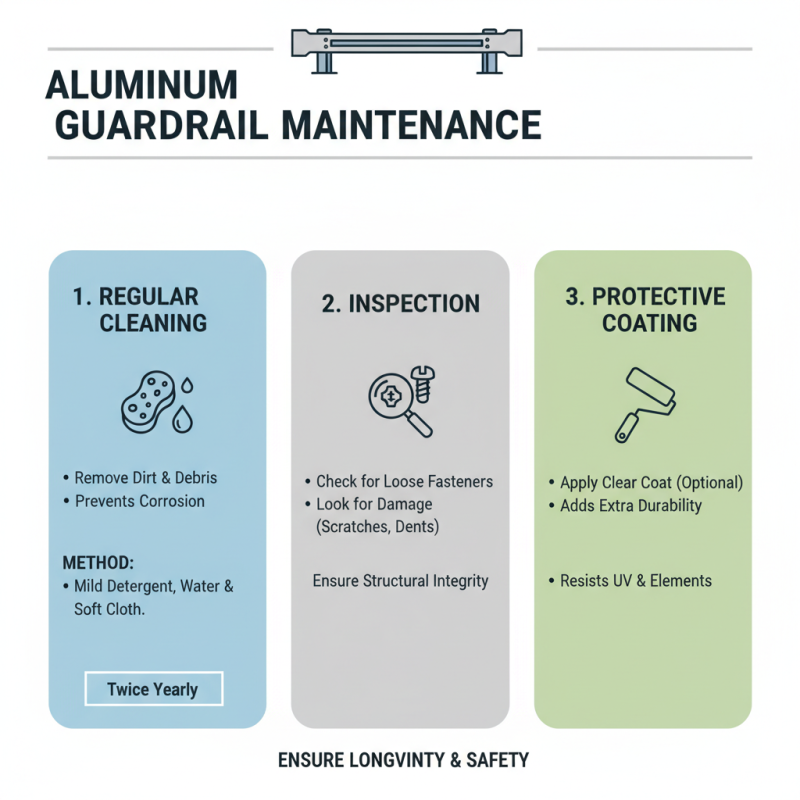
Proper maintenance of aluminum guardrails is essential to ensure their longevity and functionality. One of the primary steps in upkeep is regular cleaning. Dirt, dust, and debris can accumulate over time, potentially leading to corrosion or other forms of damage. It’s advisable to use a mild detergent mixed with water and a soft cloth or sponge for cleaning. This routine cleaning should be performed at least twice a year or more frequently in areas with heavy pollution or near the ocean.
Additionally, it’s crucial to inspect the guardrails for any signs of wear or damage. Look for scratches, dents, or loose fittings, as these issues can compromise the guardrails' structural integrity. Any minor damages should be addressed immediately to prevent further deterioration. Applying a protective coating specifically designed for aluminum can also enhance resistance to the elements and help maintain the guardrails' appearance over time. With these maintenance practices, aluminum guardrails will continue to provide safety and aesthetics for years to come.