10 Essential Tips for Choosing a Metal Frame Pergola for Your Backyard?
A Metal Frame Pergola can transform your backyard into a stylish retreat. It combines aesthetics with durability, offering both function and beauty. Choosing the right one can feel overwhelming. High-quality materials, design, and features are crucial for your investment.
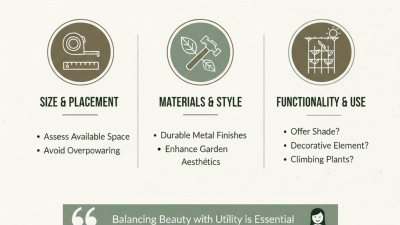
When selecting a Metal Frame Pergola, you should consider size and style. Measure your space carefully to ensure it complements your landscape. The color and finish can enhance your outdoor decor. Think about whether you prefer a modern look or a more traditional design.
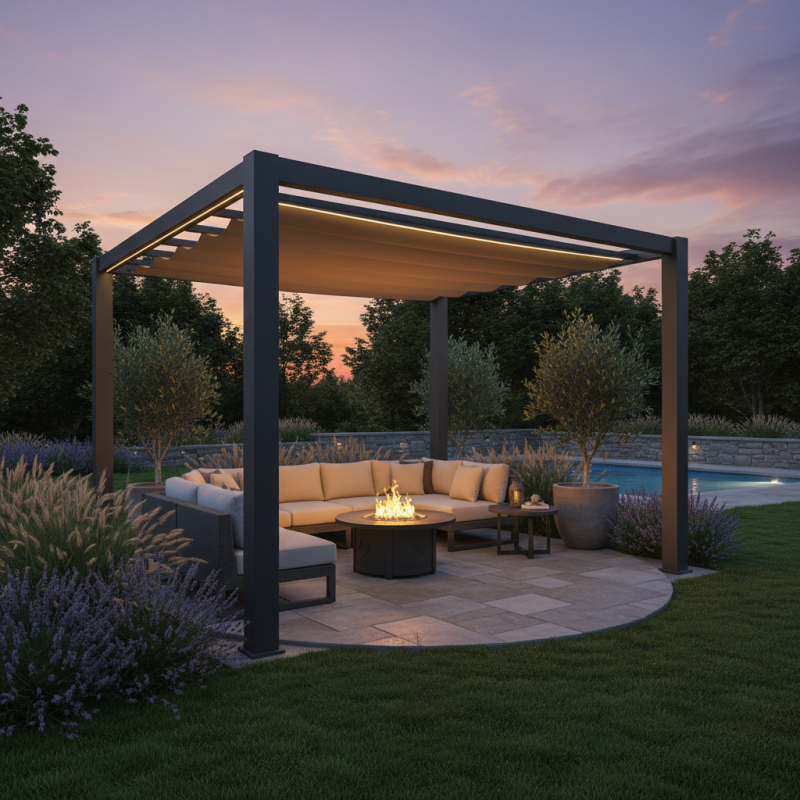
Additionally, evaluate the features a pergola may offer. Some come with built-in lighting, which can create a cozy ambiance at night. Others may have adjustable canopies providing shade from the harsh sun. Remember, it’s important to reflect on how you plan to use the space. A well-chosen Metal Frame Pergola can be a centerpiece for gatherings or a peaceful corner to relax alone. Always research and consult experts if needed. Make sure your choice aligns with your lifestyle and enhances your backyard experience.
Factors to Consider When Selecting a Metal Frame Pergola for Your Backyard
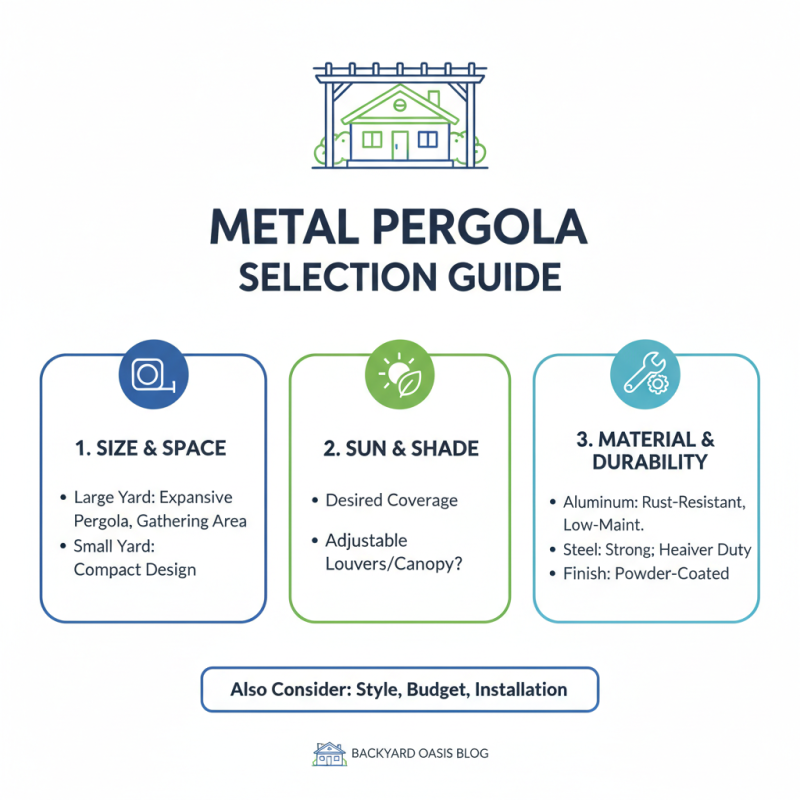
Choosing the right metal frame pergola for your backyard involves several key factors. First, consider the size of your outdoor space. A larger yard may benefit from a more expansive pergola, allowing you to create a cozy gathering area. Conversely, a smaller yard could warrant a compact design. Think about how much shade or sun you want as well. The right dimensions will enhance your outdoor experience.
Next, reflect on the materials used in the pergola's construction. Zinc-coated steel or aluminum options offer great durability. However, each type has pros and cons. Aluminum is lightweight and resistant to rust, but can get hotter than steel. Steel provides excellent strength but may require regular maintenance. This decision can significantly affect your pergola's longevity and attractiveness.
Finally, envision the style and design that complements your backyard. Simple, sleek lines may suit a modern space, while ornate features can enhance a traditional garden. However, flashy designs may clash with natural elements. Balance is vital. Pay attention to how these choices impact the overall ambiance of your yard. This will ensure your metal frame pergola becomes a beloved outdoor retreat.
Understanding Different Metal Materials: Aluminum, Steel, and Iron Options
When choosing a metal frame pergola, understanding the material is key. Aluminum, steel, and iron are the primary options.
Aluminum is lightweight and resistant to rust. It requires less maintenance compared to other metals. However, some homeowners may find it less durable in extreme weather.
Steel offers strength and resilience. It can withstand harsh conditions better than aluminum. Yet, steel may rust over time if not treated. This requires regular maintenance to ensure longevity.
On the other hand, iron brings a classic aesthetic to any backyard. Its weight provides stability, but it often demands more care. Homeowners may struggle with the upkeep due to rust issues.
Each material has pros and cons. Personal preferences and local climates can greatly influence your choice. If you live in a damp area, rust-resistant options may be essential. Consider how much time you want to invest in maintenance.
Think about your backyard's design too. The style of the pergola should complement your home.
Evaluating Size and Dimensions for Optimal Backyard Space Utilization
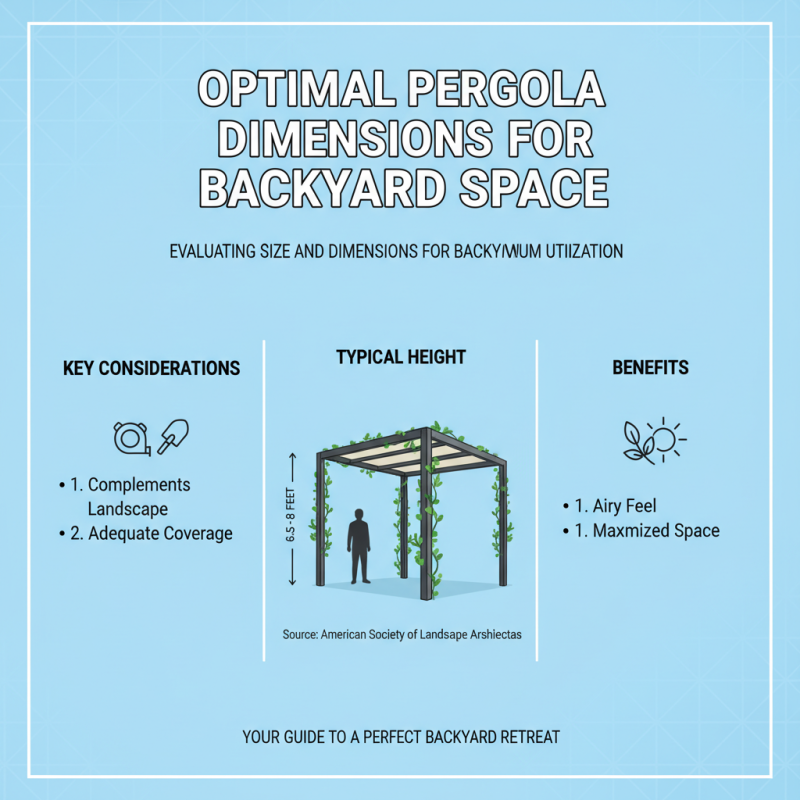
When selecting a metal frame pergola, size and dimensions play a crucial role in maximizing your backyard space. A well-proportioned pergola should complement the existing landscape while providing adequate coverage. According to the American Society of Landscape Architects, a typical pergola height ranges from 6.5 to 8 feet. This dimension allows for an airy feel without overwhelming the space.
Consider the width and length of the area before installation. Many experts recommend a pergola that is at least half the width of your home. For a standard backyard, this could mean selecting a pergola size of 10 feet wide or more. However, it's essential not to overcrowd the space. Overly large structures can make your backyard feel cramped. Aesthetics are important; a smaller pergola can enhance intimacy.
Take your time to visualize the placement, perhaps using stakes or markers to outline the pergola's footprint. Reflecting on your garden's layout can reveal unexpected challenges, such as existing trees or rising utility lines. A common misstep is anchoring the pergola without considering sunlight patterns. Positioning the structure in the wrong spot may lead to undesirable shade or block views. Adjusting dimensions based on these factors can lead to a more enjoyable outdoor experience.
Design Styles and Aesthetics: Matching Your Pergola with Existing Landscape
Choosing a metal frame pergola that fits your existing landscape requires careful consideration. Start by analyzing your garden's dominant features. Are there specific colors, materials, or shapes that stand out? A metal frame can contrast with soft landscaping elements, creating a modern look. Alternatively, choose a design that complements your backyard's organic shapes.
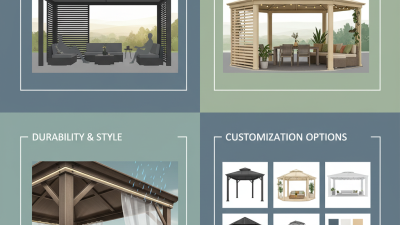
It's crucial to think about the overall aesthetic you aim to achieve. A minimalist pergola can enhance contemporary gardens, while a more ornate style may suit traditional settings. Pay attention to finishes as well. A powder-coated surface can resist rust and maintain its appearance longer. However, consider how these finishes interact with your plants and outdoor furniture. A stark metal color may not blend well if your yard has earthy tones.
Lastly, reflect on your space's functionality. Is the pergola meant for shade, or will it be a focal point? This question influences the size and placement. Visualize how it will fit among trees, flower beds, or even a patio. Sometimes, it’s a challenge to create harmony in design. Be open to adjustments as you explore different combinations. Let your creativity flow, and don't hesitate to rethink your choices. A successful design is often a result of trial and error.
10 Essential Tips for Choosing a Metal Frame Pergola for Your Backyard
| Tip Number |
Tip Description |
Design Style |
Aesthetic Compatibility |
| 1 |
Consider the material durability |
Modern |
Blends with aluminum siding |
| 2 |
Select a style that suits your home |
Traditional |
Enhances classic architecture |
| 3 |
Choose appropriate color finishes |
Contemporary |
Coordinates with modern landscaping |
| 4 |
Consider size based on yard space |
Minimalist |
Fits into small, clean gardens |
| 5 |
Plan for additional features like lighting |
Industrial |
Complements urban settings |
| 6 |
Ensure easy installation |
Functional |
Suits less formal landscapes |
| 7 |
Choose weather-resistant materials |
Rustic |
Perfect for garden settings |
| 8 |
Prioritize low maintenance options |
Eco-friendly |
Accentuates sustainable gardens |
| 9 |
Incorporate climbing plants for shade |
Transitional |
Bridges modern and traditional |
| 10 |
Research and compare various designs |
Versatile |
Works with any landscaping style |
Assessing Durability and Maintenance Requirements for Longevity and Appearance
When considering a metal frame pergola for your backyard, durability and maintenance are key factors. Metal materials, such as aluminum and galvanized steel, resist rust and corrosion. According to a report from the American Society of Landscape Architects, metal structures can last over 20 years with proper care. Their resilience against harsh weather makes them suitable for varied climates.
Maintenance requirements can also influence your choice. While metal frames need less upkeep than wood, they aren't completely maintenance-free. Regular inspections for loose bolts or signs of wear can extend their lifespan. A study highlighted that 15% of homeowners neglect routine checks, leading to costly repairs. Keeping the frame clean can prevent buildup that might lead to corrosion.
Visual appeal matters too. Metal can be painted or coated in various finishes, allowing customization. However, the coating may chip over time, requiring touch-ups. Understanding the balance between aesthetics and longevity is crucial. With the right choices, you can create a stunning outdoor space that endures.