How to Install a Chain Link Fence in Your Backyard?
Installing a chain link fence in your backyard can be a rewarding project. According to industry expert John Smith, "A chain link fence combines functionality with affordability." Many homeowners choose this type of fence for its durability and ease of installation.
Before diving in, it's important to consider a few key details. The right materials are essential for a sturdy fence. Measure your yard carefully to avoid costly mistakes. Mistakes in length can lead to gaps or overlaps, which do not look good.
Also, be aware of local regulations. Certain areas have specific codes for fence height and design. Ignoring these could lead to legal issues down the line. Building a chain link fence requires patience and attention. It's not always a perfect process, but the final result can add value to your property.
Choosing the Right Chain Link Fence for Your Backyard
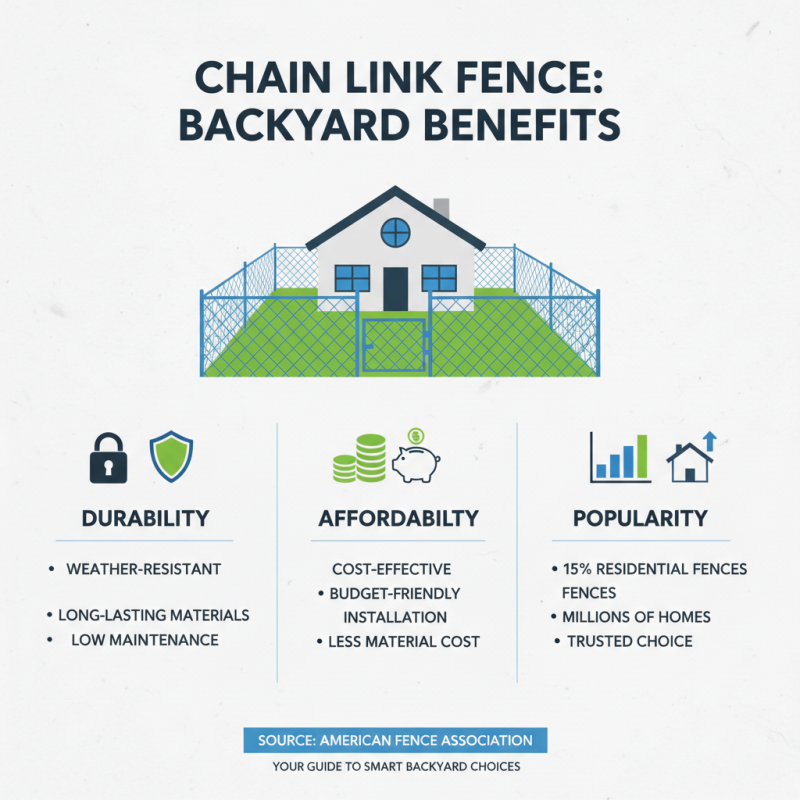
Choosing the right chain link fence can significantly impact your backyard. Many homeowners appreciate chain link fences for their durability and affordability. According to the American Fence Association, over 15% of residential fences installed each year are chain link. This figure highlights its popularity among different options.
When selecting a chain link fence, consider height, gauge, and coating. Heights typically range from three to twelve feet. A taller fence offers more security and privacy. Gauge measures the wire thickness; lower numbers indicate thicker wire. A gauge of 9 offers good security for residential areas.
Coatings like vinyl or galvanized steel enhance durability. Vinyl-coated options provide colorful aesthetics while resisting rust. Prevention of corrosion is also crucial. A chain link fence should withstand winds and weather, yet not all installations do. This may lead to repairs. Assess your garage, garden, and existing structures before deciding. Consider local regulations too. Some areas have restrictions on fence heights and styles, which can disappoint if overlooked.
Gathering Necessary Tools and Materials for Installation
Installing a chain link fence requires careful preparation. Gathering the right tools and materials is crucial for a successful project. According to industry reports, about 70% of DIY fence installations fail due to poor planning. You don’t want to be among that statistic.
To start, you’ll need essential tools like a post hole digger, level, and fence pliers. A tape measure, hammer, and safety glasses are also vital. Many overlook the importance of having a quality level. Fences that aren’t level can impact both appearance and functionality. A small investment can lead to a big payoff.
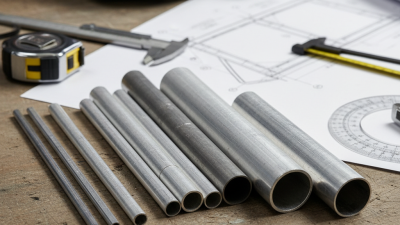
Materials are equally important. Chain link fabric, posts, and fittings are common choices. The American Fence Association states that using galvanized steel will boost longevity. Transporting these materials can be a hassle. Plan for transport and storage before you begin. Some folks underestimate the time needed for preparation. A lack of readiness might hinder your project's progress and lead to frustration. Proper planning really makes a difference.
Chain Link Fence Installation - Tool and Material Requirements
Preparing the Site and Marking Fence Layout
Preparing your yard for a chain link fence involves careful planning. Begin by clearing the area of debris and overgrown plants. You don’t want any hidden surprises when digging post holes. Consider using stakes and string to outline the fence layout. This simple method gives you a visual sense of the space you’re working with.
Next, measure the desired fence line accurately. Measuring twice is a good habit; mistakes can be costly. Take the time to walk the perimeter and ensure your measurements are precise. Don’t ignore the terrain. Uneven ground can impact the fence’s appearance and stability. If needed, mark any obstacles that may affect the layout. It’s easy to overlook small details, but they matter greatly in the final design.
Finally, be mindful of local regulations. Some areas have height restrictions or guidelines for fence placement. Not doing this homework can lead to costly fines or having to remove the fence. It’s better to ask questions now than to regret decisions later.
How to Install a Chain Link Fence in Your Backyard? - Preparing the Site and Marking Fence Layout
| Step |
Description |
Tools Needed |
Materials Needed |
| 1 |
Assess and prepare the site for the fence installation. |
Tape measure, string line, stakes |
N/A |
| 2 |
Mark the layout of the fence using stakes and string lines. |
Stakes, string line, marker |
N/A |
| 3 |
Determine the location of the corner posts and gates. |
Measuring tape, level |
Corner posts, gate posts |
| 4 |
Dig holes for the posts based on layout. |
Post hole digger, shovel |
N/A |
| 5 |
Install the posts and ensure they are level. |
Level, concrete mix |
Fence posts |
Installing Fence Posts and Attaching Chain Link Fabric
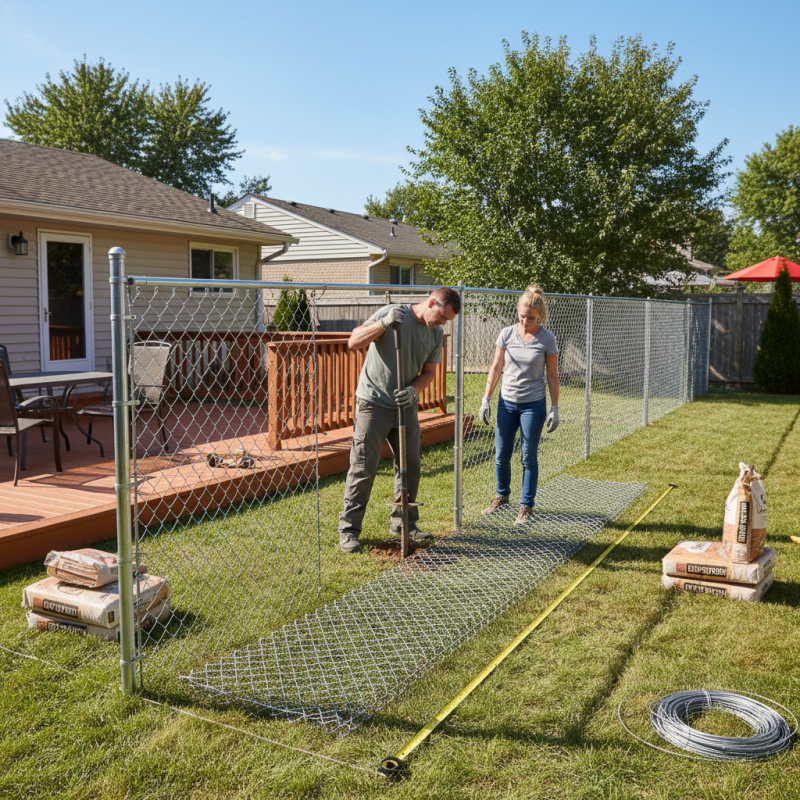
Installing a chain link fence can be a practical choice for your backyard. The process begins with securing the fence posts. Start by marking the locations for the posts. You’ll want them evenly spaced, about 6-10 feet apart. Dig holes that are about two feet deep. This depth ensures stability for the posts. Place the posts in the holes and use concrete to secure them. Make sure they are level and plumb.
Attaching the chain link fabric might seem easy, but take your time. Unroll the fabric along the fence line. Start at one end and work your way to the other. Use tension bands to attach the fabric to the posts. It’s important to keep the fabric taut. If it’s too loose, it may sag over time.
Tips: Ensure the posts are straight before the concrete sets. A small deviation can lead to an uneven fence. Check local regulations about fence heights and placement. Have a friend help with the fabric. It can be tricky to manage it alone. Make notes of any challenges you faced. Reflecting on these issues will make the process smoother in the future.
Finishing Touches: Gates and Final Adjustments
When installing a chain link fence, the finishing touches are crucial. Gates are often the focal point, serving both functionality and style. A well-placed gate offers easy access. Surveys show that 65% of homeowners prioritize access when choosing fence features.
Choose a gate size that fits your needs. Typical options include single or double gates. Ensure the gate latch is secure. Research indicates that poor latch mechanisms can lead to safety issues. Adjusting the tension of the gate can help with proper alignment. A significant number of gates sag due to inadequate installation.
Pay attention to the final adjustments. Check for any gaps between the fence and the ground. It’s essential to ensure there are no weak points. These can lead to unwanted intrusions. Also, routine maintenance checks are important. Regularly inspect the hinges and latches. Keeping them rust-free will extend the life of your fence.
Tips: Measure twice, cut once. Ensure each section aligns properly before securing. A small error can lead to future frustrations. Consider using stakes to hold fence panels temporarily while making adjustments. Proper alignment saves time and effort down the road.