What is the Purpose of Fence Panels in Landscaping and Home Design?
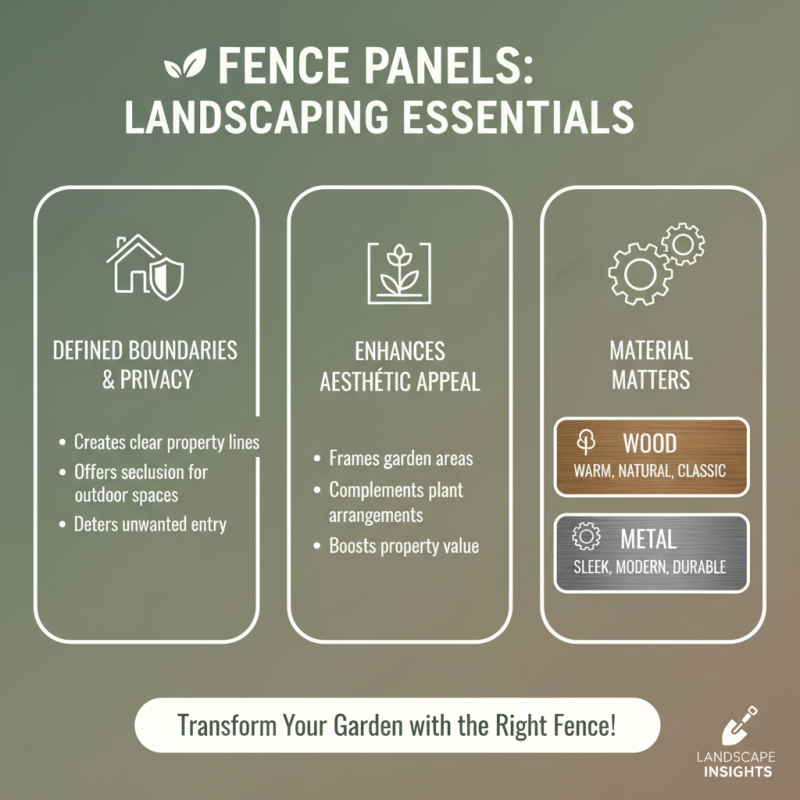
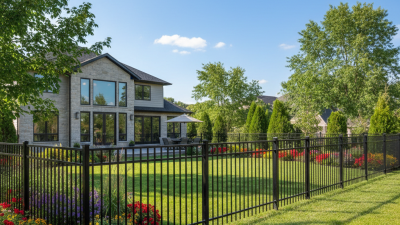
Fence panels play a crucial role in landscaping and home design. They create boundaries, enhancing both aesthetics and privacy. When strategically placed, these panels can transform outdoor spaces into inviting areas. They can guide the eye and lead visitors through gardens or patios, fostering a sense of exploration.
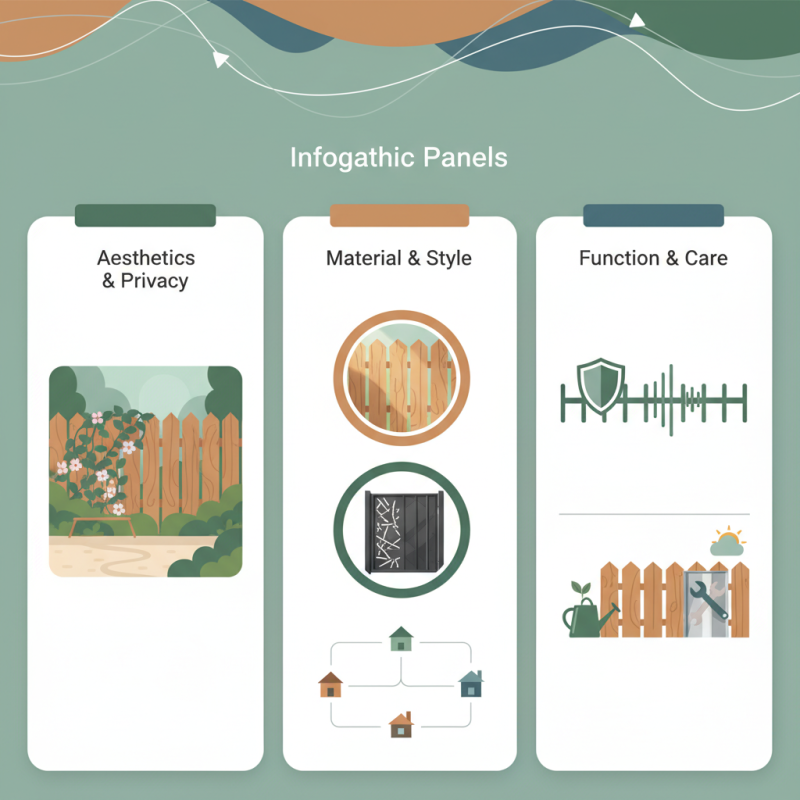
Choosing the right fence panels involves more than just function. Different materials and designs can influence the overall feel of your property. Wooden panels offer warmth, while metal options provide a modern touch. However, not every choice will suit every home. It’s essential to consider the style of your house and the surrounding landscape. Sometimes, the wrong panel can disrupt the flow of a space.
Beyond mere decoration, fence panels can provide security and noise reduction. Yet, they may also require maintenance. Weather can take its toll on wood, while metal can rust without proper care. Thoughtful design and upkeep can mitigate these issues. Ultimately, fence panels must reflect individual preferences and lifestyle, balancing beauty with practicality.
Purpose of Fence Panels in Landscaping: A Comprehensive Overview
Fence panels play a vital role in landscaping. They create defined boundaries and offer privacy. A well-placed fence can enhance the beauty of a garden. It frames the space, allowing plants to shine. Different materials provide unique textures. Wood lends warmth, while metal adds a modern touch.
In addition to aesthetics, fence panels offer security. They deter unwanted visitors and keep pets safe. However, a poorly maintained fence can detract from your landscape. Peeling paint or rust may create an eyesore. Regular upkeep is essential to maintain their appeal and function.
Consider the purpose of your fence. Is it to shield your garden from neighbors? Or perhaps to mark property lines? Each purpose might require a different style. A solid fence blocks the view, while a latticed one allows light. Reflect on what you want to achieve. Sometimes, less is more in design.
Enhancing Aesthetic Appeal: The Visual Impact of Fence Panels
Fence panels play a crucial role in landscaping and home design. Their primary function often intersects with visual appeal. A well-designed fence can transform an ordinary yard into an inviting oasis. The right panels can elevate the aesthetics of a property significantly. According to a recent study by the American Society of Landscape Architects, more than 80% of homeowners prioritize visual improvement when choosing outdoor elements.
Various materials influence the overall look. Wood panels deliver warmth, while metal options offer a modern twist. A blend of colors can create dynamic contrast. Transparency in design allows light and sightlines to flow. An estimated 45% of homeowners lean toward unique designs that reflect personal style. However, a common mistake is opting for the cheapest option, sacrificing quality for price. This often leads to quicker deterioration, which can detract from the visual beauty over time.
Additionally, fence maintenance often gets overlooked. Neglecting regular upkeep can result in warped or faded panels. This not only affects the initial aesthetic but also impacts property value. A survey by Home Advisor revealed that properties with well-maintained landscapes, including fences, sell for up to 20% more. Visual appeal is vital; beauty should be durable. A challenge lies in balancing immediate satisfaction with long-term effects. Making deliberate choices in design and maintenance can lead to fulfilling results, but it requires careful consideration.
Privacy and Security: How Fence Panels Serve as Barriers
Fence panels play a crucial role in enhancing privacy and security for homes and landscapes. They act as effective barriers against prying eyes and unexpected intrusions. Imagine sitting in your backyard, sipping coffee without the fear of being observed. A good fence can transform the space into a personal retreat.
The materials and designs of fence panels vary widely. Some people choose wood for its natural beauty, while others prefer vinyl for durability. Each option has its pros and cons. Wooden fences may require constant maintenance, while vinyl can sometimes look artificial. Reflecting on the choice is important. What fits your style and needs best?
Moreover, fence panels can provide a sense of security, especially in urban areas. A solid fence can deter unwanted visitors. However, fences also create boundaries that some may find isolating. It’s essential to balance privacy with openness. Think about not just what you want to block out, but also how to stay connected to the community outside.
Defining Spaces: The Role of Fence Panels in Garden Layouts
Fence panels serve a vital purpose in landscaping. They are not just barriers; they define spaces. In garden layouts, they create distinct areas for various activities. For example, a fence can separate a vegetable garden from a flower bed. This structure enhances organization and aesthetic appeal.
According to a report by the American Society of Landscape Architects, 65% of homeowners opt for fencing to improve their outdoor spaces. This choice highlights the importance of clear boundaries. With well-placed panels, tranquility can be achieved. Imagine a private seating area tucked away, shielded from the outside world. A well-defined space can encourage relaxation and enjoyment.
However, not all fence installations go smoothly. Some homeowners struggle with maintenance. Weather can degrade materials over time. Additionally, poorly installed panels can lead to gaps. Such issues may compromise privacy and security. Regular assessments of fence integrity are necessary. Reflecting on these aspects can lead to better planning and execution in future landscaping projects.
Material Choices: Comparing Wood, Vinyl, and Metal Fence Panels
Fence panels serve both functional and aesthetic purposes in landscaping and home design. They define boundaries and create a sense of privacy. Choosing the right material enhances both appearance and durability.
Wooden fence panels are a classic choice. They offer warmth and natural beauty. However, they require regular maintenance. Weather can warp or splinter wood. Consider using treated wood for better longevity. Vinyl panels, on the other hand, are versatile and low-maintenance. They come in various colors and styles. But they can be less appealing in a rustic setting. Lastly, metal panels provide a modern look. They are extremely durable and resistant to the elements. Yet, they may not suit every home’s aesthetic.
When selecting materials, think about your landscape and style. Each choice has benefits and drawbacks. Reflect on your long-term needs. Aesthetics matter, but so do practicality and maintenance. Choosing the right fence panel can be a complex decision.
What is the Purpose of Fence Panels in Landscaping and Home Design? - Material Choices: Comparing Wood, Vinyl, and Metal Fence Panels
| Material |
Durability |
Maintenance |
Cost |
Aesthetic Flexibility |
| Wood |
Moderate (10-15 years) |
High (requires staining/painting) |
$$ |
High (various styles) |
| Vinyl |
High (25+ years) |
Low (easy cleaning) |
$$$ |
Moderate (limited colors/styles) |
| Metal |
Very High (50+ years) |
Moderate (rust prevention) |
$$$ |
Low (industrial look) |