How to Select the Right Aluminium Pipe Bends for Your Project?
Selecting the right aluminium pipe bends is crucial for any project. According to industry expert John Smith, "The right aluminium pipe bends ensure longevity and performance." His insights are vital for both engineers and project managers.
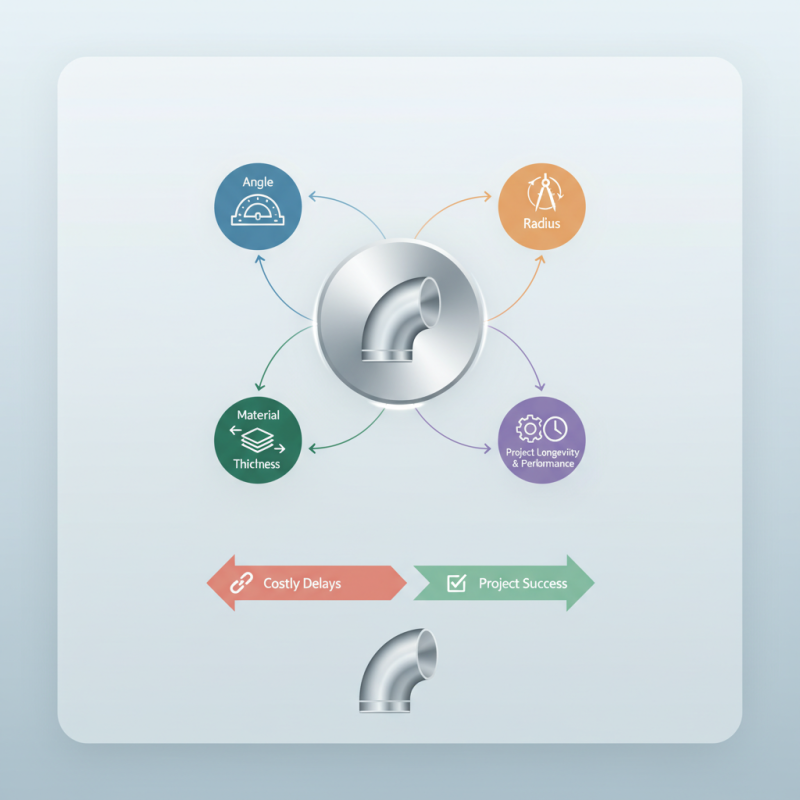
Aluminium pipe bends come in various shapes and specifications. This variability can make selection daunting. Each project demands careful consideration of the bend's angle, radius, and material thickness. Understanding these details can significantly affect the project’s success. Mistakes in choosing the wrong type can lead to costly delays.
While experience matters, many professionals underestimate the importance of proper selection. Industry standards can evolve, and staying updated is not always easy. Relying on outdated practices may hinder project efficiency. Every project is unique, requiring a tailored approach to select the best aluminium pipe bends.
Understanding Aluminium Pipe Bends: Types and Applications
When working with aluminium pipe bends, understanding their types and applications is crucial. Aluminium pipe bends are commonly used in various industries, including automotive, construction, and HVAC systems. They are lightweight, corrosion-resistant, and can withstand varying pressures. According to industry reports, the aluminium pipe fittings market is projected to grow by 5% annually, highlighting the increasing demand for efficient designs.
There are several types of aluminium pipe bends, including short radius and long radius bends. Short radius bends are ideal for areas with limited space, while long radius bends reduce pressure drops in fluid flow. Selecting the right type depends on the application's requirements and the nature of the fluid being transported.
Tip: Always consider the material grade when choosing pipe bends. Different grades offer varying levels of strength and corrosion resistance. For example, using a higher-grade aluminium might be more beneficial in harsh environments, ensuring durability.
Additionally, installation techniques can influence the effectiveness of the bends. Improper installations may lead to leaks or failures. Check for any imperfections or misalignments during installation. This can prevent potential issues down the line and ensure long-term reliability.
How to Select the Right Aluminium Pipe Bends for Your Project?
| Type of Aluminium Pipe Bend |
Angle |
Radius |
Application |
| 45° Bend |
45 Degrees |
1.5D |
HVAC systems |
| 90° Bend |
90 Degrees |
2D |
Plumbing systems |
| 180° Bend |
180 Degrees |
3D |
Drainage systems |
| Reducing Bend |
Varies |
Custom |
Industrial applications |
| Elbow Bend |
Standard |
1D |
Electrical conduit |
Key Factors in Selecting Aluminium Pipe Bends for Durability
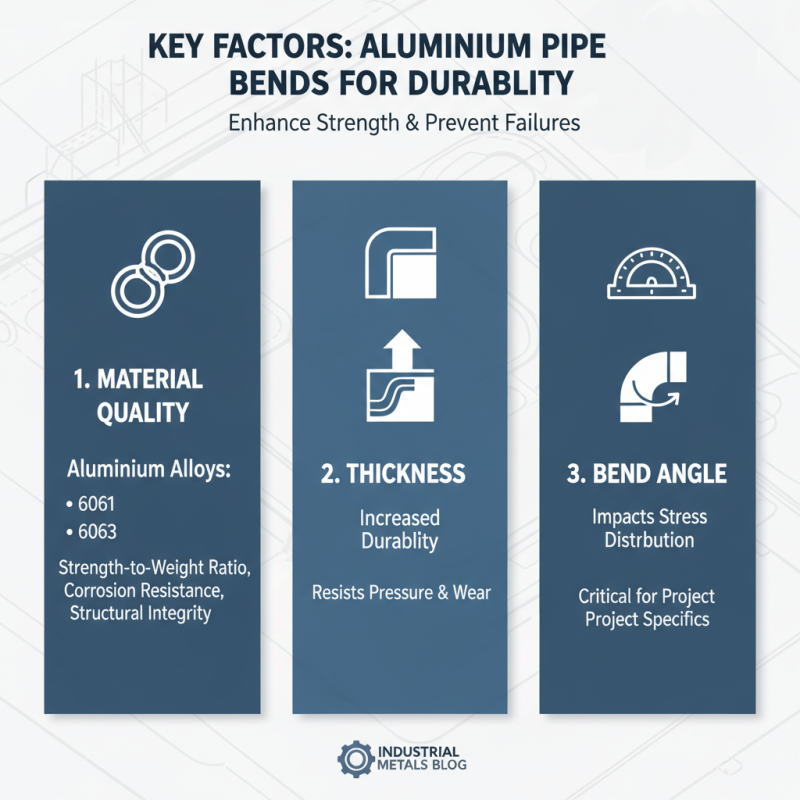
When choosing aluminium pipe bends, durability should always be a priority. The right bends can enhance the strength of your project and prevent unexpected failures. Durability hinges on various key factors, including material quality, thickness, and angle of bend. Aluminium alloys, such as 6061 and 6063, are popular choices for their strength-to-weight ratios. These alloys resist corrosion and maintain structural integrity over time.
Tips to ensure durability:
- Check the material specifications. High-grade alloys perform better under stress.
- Analyze the thickness of the pipe. Thicker pipes offer more resistance to bending and cracking.
- Consider the angle of bends. Sharp angles may increase stress concentration, leading to potential failure points.
Think about the environment the pipes will be in. Exposure to moisture can increase the risk of corrosion. A protective coating can add an extra layer of defense. Ensure you select bends that suit your specific application needs. Not all bends are created equal. There’s a fine line between functionality and over-engineering.
Stay informed about trends in aluminium fabrication. Technology is improving, leading to better options in terms of performance and reliability. Don’t just settle for the cheapest option; assess long-term impacts. A hasty decision may save time now but cost more in the future.
Assessing Pressure Ratings and Load Capacity in Pipe Bends
When selecting aluminium pipe bends, it's crucial to assess pressure ratings and load capacity. These two factors determine how well the bends will perform under various conditions. Understand the specific pressure requirements of your project. Each application has unique demands, which could affect the longevity and safety of the bends used.
Load capacity is another essential aspect. It refers to how much weight a pipe bend can safely support without deforming. Conduct thorough calculations before making a choice. Consider factors like the angle of the bend and the material thickness. Inaccurate assessments can lead to failures and safety hazards.
In your selection process, also reflect on the consequences of choosing the wrong specifications. Sometimes, bending the rules can lead to problems down the line. It's not just about picking the right pipe bends; it's about ensuring they align with your project's needs and regulations. Balancing these factors is challenging yet vital for long-lasting results.
Pressure Ratings and Load Capacity of Aluminium Pipe Bends
Evaluating Alloy Grades for Optimal Performance in Aluminium Bends
When selecting aluminium pipe bends, the choice of alloy grade is crucial for performance. Different alloys offer varying levels of strength, corrosion resistance, and malleability. For example, 6061 aluminium offers good mechanical properties and is commonly used in structural applications. It has a yield strength of about 40,000 psi, making it a strong candidate for most projects.
On the other hand, 3003 aluminium is known for its excellent workability. Its yield strength is lower, approximately 33,000 psi, but it is highly resistant to corrosion. This makes it ideal for applications in harsh environments, such as marine settings. A study by the Aluminium Association indicates that selecting the right alloy can increase the longevity of the product by up to 30%.
However, many projects struggle with alloy selection. Factors like cost and availability often overshadow technical specifications. It's essential to balance quality with budget constraints. Some professionals make the mistake of prioritizing immediate savings over long-term performance. This can lead to increased maintenance costs and potential failure. Conducting thorough research and using reliable data is critical for making informed decisions in alloy selection.
Cost Considerations: Balancing Quality and Budget for Pipe Bends
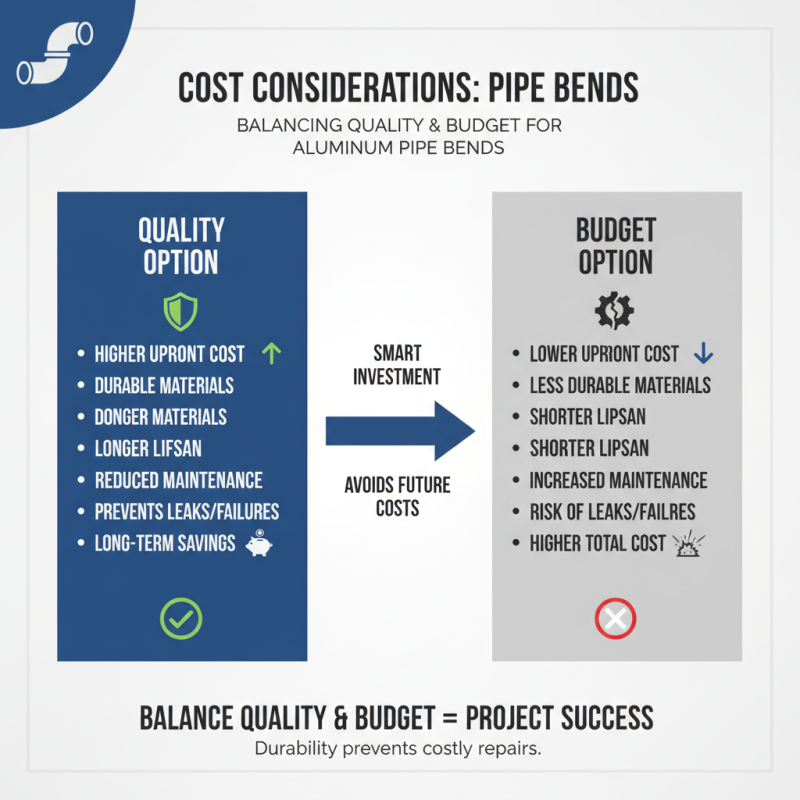
Cost considerations play a crucial role in selecting aluminium pipe bends for any project. It's essential to strike a balance between quality and budget. Investing in durable options can prevent future costs related to repairs or replacements. Low-cost bends might seem appealing initially, yet they often lead to longer-term problems such as leaks or failures.
When evaluating materials, look for specifications that provide clarity on performance. This aspect is key to ensuring that you are not just saving money but also enhancing the project's overall integrity. Sometimes, you may face dilemmas about how far to stretch your budget. For instance, a slight increase in the budget for high-quality bends can significantly reduce maintenance later.
Evaluating suppliers can also affect your costs. A supplier with a solid reputation often ensures better products, though they might charge more. It’s wise to compare multiple vendors and get quotes. Look out for warranties or guarantees, as they reflect confidence in the product's quality. This reflection might involve more upfront spending but could yield savings over time. Remember, sometimes the lowest price isn’t the best value.