Top Aluminium Channel Profiles for Versatile Applications in Construction and Design?
Aluminium Channel Profiles play a crucial role in modern construction and design. They offer versatility and functionality for various applications. In both residential and commercial projects, these profiles provide structural support and aesthetic appeal. Builders prefer aluminium due to its lightweight nature and corrosion resistance.
Understanding the specific applications of Aluminium Channel Profiles opens up a world of possibilities. They can be used for window frames, curtain walls, and even custom furniture. However, the choice of channel profile should match the project's needs. It's common for architects to overlook certain aspects, leading to potential issues.
In the world of design, creativity thrives when using Aluminium Channel Profiles effectively. They allow for innovative solutions, but poor choices can result in wasted materials and increased costs. Mindful planning and precise measurements are essential for successful outcomes. Each application demands a thoughtful approach to maximize the benefits of these profiles.

Top Aluminium Channel Profiles Overview
Aluminium channel profiles are increasingly popular in construction and design. They offer strength without excessive weight. According to industry reports, the global aluminium profile market is projected to grow at a CAGR of 6.2% from 2022 to 2028. This growth is driven by the demand for sustainable building materials.
These profiles come in various shapes and sizes. The U-shaped channels are versatile. They can be used for framing or supports. L-shaped channels are ideal for brackets. A detailed study shows that aluminium's durability and corrosion resistance make it a preferred choice in harsh environments. Selecting the right profile can significantly impact your project.
**Tips:**
Consider load-bearing requirements before choosing a profile. A mismatch can lead to structural issues. Think about the finish as well; while anodized surfaces add about 20% to costs, they improve longevity. Prioritize quality over cost to avoid future problems. Remember, not all profiles are created equal.
Top Aluminium Channel Profiles for Versatile Applications in Construction and Design
| Profile Type |
Dimensions (mm) |
Weight (kg/m) |
Applications |
| U Channel |
30 x 15 |
0.72 |
Framing, support structures |
| L Angle |
50 x 50 |
1.15 |
Bracing, corner supports |
| T Channel |
40 x 40 |
1.00 |
Frameworks, railings |
| Square Tube |
50 x 50 |
1.53 |
Columns, bases |
| Rectangular Tube |
80 x 40 |
2.00 |
Beams, supports |
Key Properties of Aluminium Channels in Construction
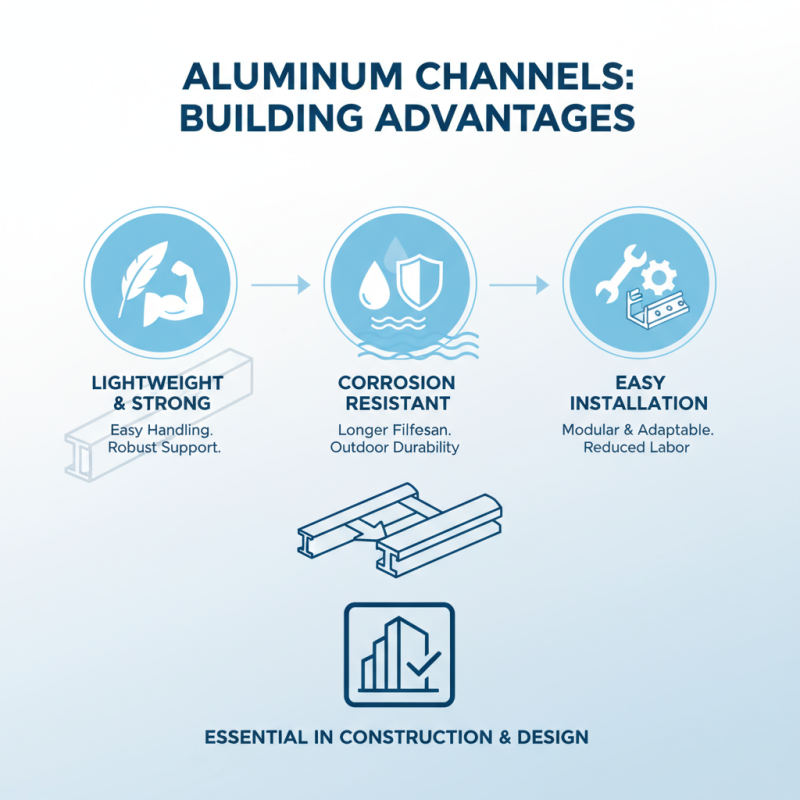
Aluminium channels offer unique properties that make them essential in construction and design. These profiles are lightweight yet strong, providing excellent structural integrity. This combination allows for easier handling and installation. Additionally, aluminium is resistant to corrosion, which extends its lifespan compared to materials like steel. This durability is particularly important in outdoor structures, where exposure to the elements is a concern.
Another key feature of aluminium channels is their versatility. They can be easily fabricated into different shapes and sizes. This adaptability makes them suitable for various applications, such as framing, supports, and decorative elements. However, achieving the perfect balance between strength and weight can be challenging. It requires careful consideration during design to ensure that the profiles meet project requirements.
Aluminium channels also have good thermal and electrical conductivity. This property is beneficial in applications where heat dissipation or electrical connections are necessary. Nonetheless, relying solely on these properties can lead to oversight of other critical factors, like thermal expansion. Designers should be aware of these nuances to prevent issues later in the construction process. Understanding both the strengths and potential limitations of aluminium channels is crucial for successful application.
Applications of Aluminium Channels in Interior Design
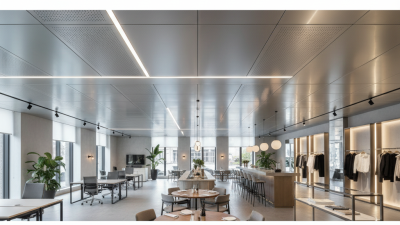
Aluminium channels are becoming popular in interior design. These versatile profiles can enhance spaces with their unique features. Their lightweight nature makes them easy to install. You can create sleek lines that guide the eye throughout a room.
Consider using aluminium channels for lighting. They can house LED strips for a modern look. This gives your space an ambient glow. Remember, proper placement is key. Too high or too low can disrupt the flow.
Another interesting use is as room dividers. Instead of bulky walls, use aluminium channels with translucent materials. It allows light to flow and keeps areas feeling open. Don’t overlook the need for proper support. Weak installations may lead to safety issues. Always double-check your framework for durability.
Overall, aluminium channels provide endless possibilities in interior design. However, thinking through practical details is essential.
Innovative Uses of Aluminium Channels in Architectural Projects
Aluminium channels have gained immense popularity in architectural projects. Their lightweight and durable nature makes them ideal for various applications. According to the Global Aluminium Market Report 2023, demand for aluminium products has surged, primarily in construction. This increase is driven by the industry's focus on sustainability and efficiency.
Innovative uses of aluminium channels are evident in modern design. Architects incorporate them in facades, curtain walls, and structural frameworks. In many cases, aluminium channels provide not only support but also aesthetic appeal. However, some designs lack the necessary strength or flexibility. This can lead to structural issues over time.
Furthermore, aluminium channels are often chosen for their recyclability. The Recycling Council reported that recycling aluminium saves up to 95% of energy compared to new production. This aligns with the growing trend toward eco-friendly building practices. Yet, not all projects fully utilize this potential. Some architects still overlook sustainable materials. This gap highlights the need for greater awareness and innovation in design choices.
Selecting the Right Aluminium Channel for Your Needs
When choosing the right aluminium channel for construction and design, several factors come into play. The application dictates the channel type. For example, structural support might require a heavier gauge than decorative uses. Industry data suggests that aluminium channels have a weight-to-strength ratio that is among the best in building materials. This makes them a favorite in modern design.
Tips: Consider the weight requirements of your project. Consult with a structural engineer when unsure.
Durability is another important aspect. High-quality aluminium channels resist corrosion, ensuring longevity, especially in outdoor applications. According to a recent market report, more than 50% of architects prefer aluminium for its maintenance-free qualities. However, selecting the right finish is crucial. Some finishes may not hold up under specific conditions.
Tips: Always test product tolerances. Understand how your chosen finish behaves in your environment.
Cost can be a concern. While aluminium can seem expensive upfront, its minimal maintenance and replacement needs can save money in the long run. Balancing cost with performance is essential when using aluminium channels. Be mindful of how you calculate overall project expenses.
Top Aluminium Channel Profiles for Versatile Applications in Construction and Design