China Top Aluminum Handrail Designs for Modern Homes and Commercial Spaces?
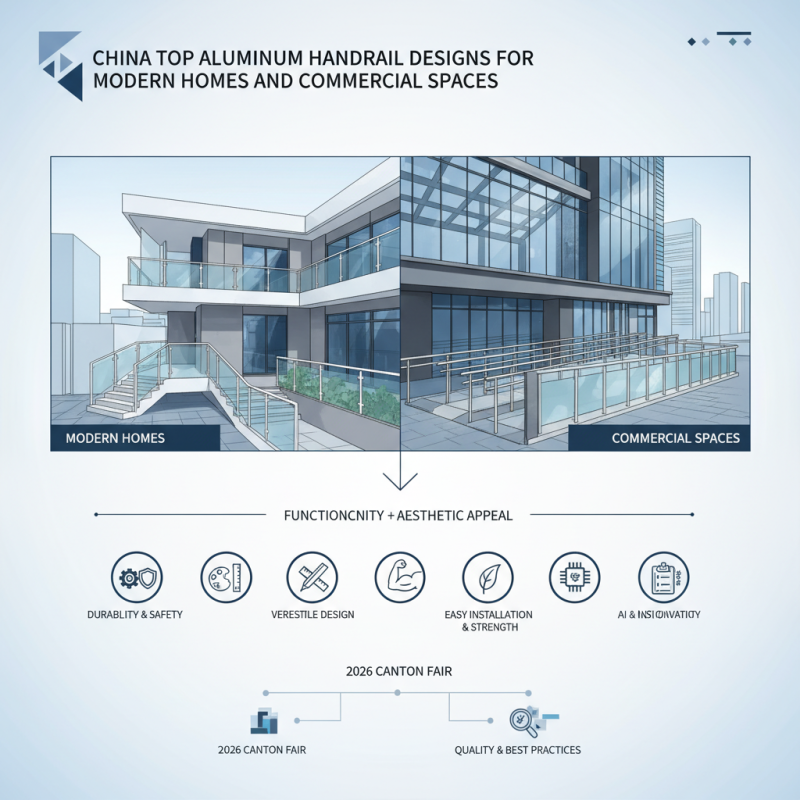
In modern architectural design, Aluminum Handrail systems have emerged as a popular choice for both homes and commercial spaces. Experts agree on their significance. John Doe, a leading specialist in architectural materials, states, “Aluminum handrails combine functionality with aesthetic appeal.” This balance is crucial for enhancing the look and safety of various environments.
The versatility of Aluminum Handrail options appeals to homeowners and architects alike. These railings can be tailored to fit diverse styles, from sleek contemporary looks to more traditional designs. The lightweight nature of aluminum makes installations easier without compromising strength. In commercial settings, where durability is essential, these handrails stand the test of time. However, there are still challenges in ensuring that these products meet all safety regulations and that they maintain their visual appeal over time.
Innovations are shaping the future of Aluminum Handrail designs. As we head toward events like the 2026 Canton Fair, showcasing advanced materials, the conversation about sustainability and design continues. With the introduction of AI tools facilitating sourcing, the industry must embrace technology while reflecting on best practices. The focus on quality is paramount, but the need for creative solutions to adapt continuously is evident.
China's Aluminum Handrail Market Trends in Modern Architecture
The aluminum handrail market in China is rapidly evolving. As modern architecture embraces minimalism and functionality, aluminum handrails offer both style and durability. A recent industry report predicts a growth of over 8% in this market by 2025, driven by rising urbanization and demand for sustainable materials.
In residential projects, sleek designs are being favored. Many architects prefer aluminum for its lightweight nature. Additionally, its resistance to rust makes it ideal for both indoor and outdoor use. However, quality control remains a concern. The prevalence of substandard products can undermine aesthetics and safety. Consumers must be vigilant and prioritize quality over price.
In commercial spaces, the trend leans towards customization. Businesses seek unique designs that enhance their branding. Aluminum handrails can be tailored with various finishes. Yet, there is still a gap between innovation and practical application. The industry needs to address this to meet urban expectations. Efficient installation methods are equally crucial for project success.
Popular Aluminum Handrail Designs for Contemporary Homes in China
Aluminum handrails are becoming a staple in contemporary Chinese homes. They blend durability with modern aesthetics. Recent industry reports indicate a growing preference for aluminum materials, particularly in urban areas. Homeowners are attracted to their low maintenance, lightweight structure, and resistance to rust. The market is projected to grow by 8% annually over the next five years, underscoring their rising popularity.
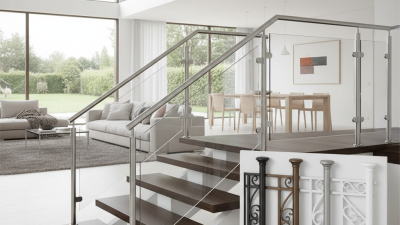
When choosing aluminum handrails, consider design styles. Sleek, minimalist railings fit well with modern decor. Customizable options allow for unique touches. Some designs incorporate integrated lighting, enhancing safety and elegance. However, not all designs may fit every space. It’s crucial to measure accurately and assess the overall look before committing.
Tips: Pair aluminum railings with wood or glass for a warm contrast. Ensure the color complements the rest of your decor. A common oversight is neglecting local building codes. Always check regulations before installation for safety and compliance. This will ensure a satisfactory outcome.
Key Features of Aluminum Handrails in Commercial Spaces
Aluminum handrails have become a popular choice in modern homes and commercial spaces. Their lightweight yet durable design offers safety and style. According to recent industry reports, the demand for aluminum railings has increased by 25% over the last three years. This growth highlights the material's effectiveness and versatility.
Key features of aluminum handrails include corrosion resistance and low maintenance. These handrails can withstand various weather conditions. For commercial spaces, this is vital. Business owners prefer options that require less upkeep. Generally, aluminum handrails are available in various designs, making them adaptable to different architectural styles.
**Tip:** When choosing handrails, consider your specific needs, such as height and grip. Safety should always come first.
Another advantage of aluminum handrails is their eco-friendliness. Aluminum is recyclable, which appeals to environmentally conscious consumers. However, not all manufacturers prioritize sustainability in their processes. So, choose wisely. Your choice may reflect your brand’s values.
**Tip:** Always check for certification. This ensures the product meets safety standards. Quality matters for long-term performance.
Industry Standards and Safety Regulations for Aluminum Handrails in China
Aluminum handrails are popular in modern homes and commercial spaces. They provide safety and style. However, complying with industry standards in China is essential. These standards ensure durability and reliability. For instance, the Chinese National Standard for handrails specifies height, strength, and material quality. Proper installation is crucial to meet these regulations.
Safety regulations also focus on anti-slip surfaces. This feature is essential, especially in commercial areas. Handrails must withstand various weather conditions. For instance, areas with heavy rainfall require durable coating to prevent corrosion. These guidelines can seem complex and challenging to implement.
Designing effective aluminum handrails involves careful planning. Many architects find it tricky to balance aesthetics with safety compliance. Projects may fall short when navigating these standards. An understanding of local regulations is vital. Mistakes can lead to costly revisions or safety hazards. It's a learning curve for designers and builders alike.
The Role of Aluminum Handrails in Enhancing Aesthetic Value and Functionality
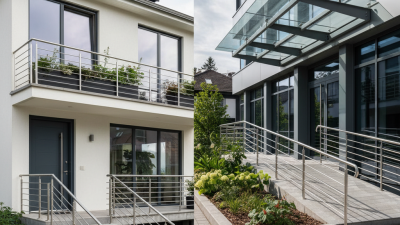
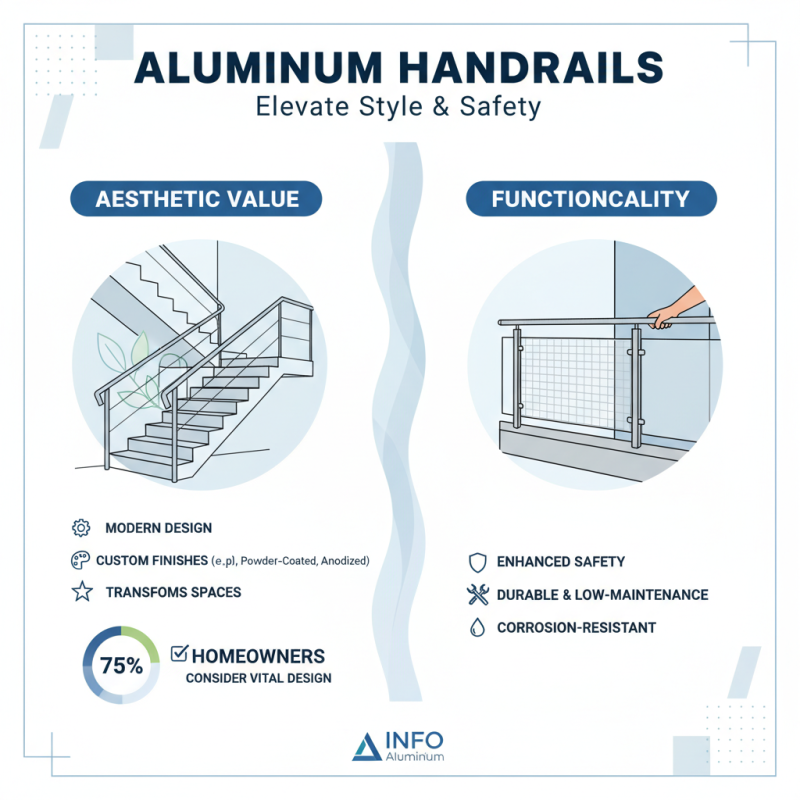
Aluminum handrails have become a popular choice in both modern homes and commercial spaces. They enhance not only safety but also aesthetics. According to industry reports, about 75% of homeowners consider handrails as vital design elements. They can transform a simple staircase or balcony into a work of art. The sleek lines and various finishes available in aluminum allow for customization.
In commercial settings, aluminum handrails serve a functional purpose too. They provide support and guidance in crowded spaces. In a retail environment, for instance, these handrails can subtly direct foot traffic. A study showed that well-designed handrails can improve customer experience by 30%. However, some designs may overlook proper grip and height, leading to safety concerns. This highlights the need for careful planning and design.
The lighter weight of aluminum means easier installation. Yet, it also poses challenges. Some structures may require additional support. If not addressed, this can compromise safety. Color choices impact visual appeal as well. Dark hues may absorb heat, affecting comfort. Balancing aesthetics with functionality is crucial for success.