Top Aluminum Moulding Profiles for Global Sourcing Needs?
In the competitive world of manufacturing, choosing the right materials is crucial. "Aluminum Moulding Profiles" are essential for many industries, from construction to automotive. According to Dr. Emily Chen, a leading expert in aluminum manufacturing, “The right profile can elevate product quality and performance." Her insights point to the complexity of selecting profiles that meet both functionality and aesthetics.
Navigating global sourcing needs requires a deep understanding of these profiles. Different markets have unique standards and expectations. For instance, European designs often emphasize sustainability, while North American profiles may prioritize durability. Companies must adapt to these varying demands.
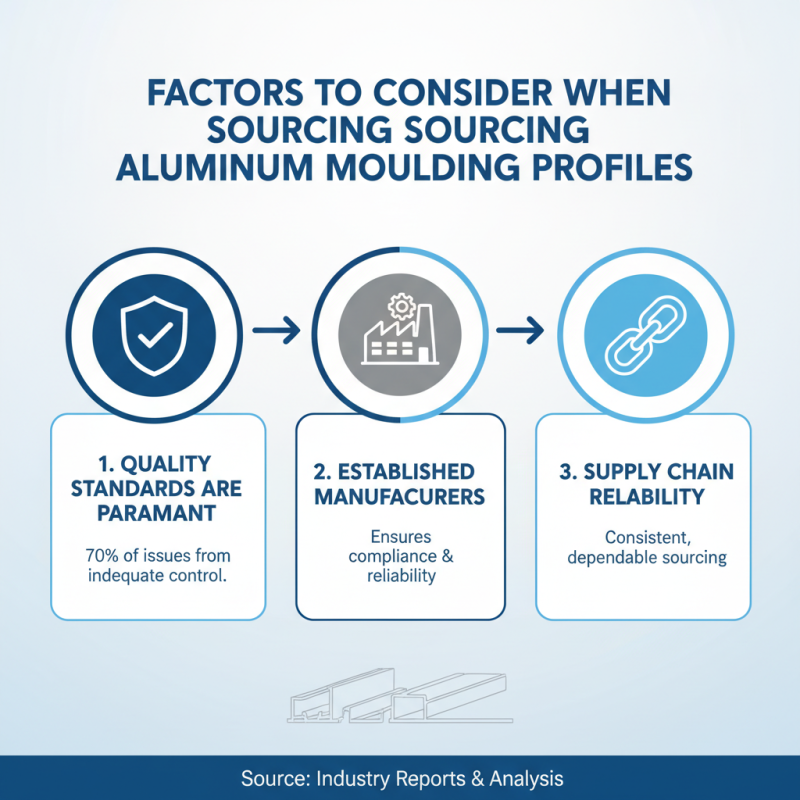
However, sourcing isn’t without challenges. Quality assurance can be difficult when dealing with multiple suppliers. Specifications may be misinterpreted, leading to costly mistakes. The balance between cost and quality is delicate. Selecting the best "Aluminum Moulding Profiles" demands careful consideration and strategic planning, underscoring the importance of expertise in this critical area.

Overview of Aluminum Moulding Profiles in Global Sourcing
Aluminum moulding profiles play a key role in various industries. Global sourcing of these profiles reflects a growing demand driven by construction, automotive, and electronics sectors. According to a recent market report, the global aluminum profile market is projected to reach USD 64.24 billion by 2025, growing at a CAGR of 5.7%. This growth indicates a significant opportunity in sourcing aluminum moulding profiles.
When sourcing, understanding specific requirements is crucial. Different industries require distinct profiles with varying dimensions and specifications. For example, the construction industry often utilizes heavy-duty loading profiles. Meanwhile, the automotive sector may need lightweight and complex shapes for efficiency. Companies often face challenges in balancing cost and quality during procurement.
Some manufacturers may not meet the stringent quality standards expected globally. This inconsistency can lead to delays and increased costs. Proper vetting of suppliers, therefore, is essential. Enhanced communication and collaboration often emerge as key solutions to mitigate these sourcing challenges. By focusing on these aspects, businesses can better align their sourcing strategies with their operational needs.
Key Characteristics of High-Quality Aluminum Moulding Profiles
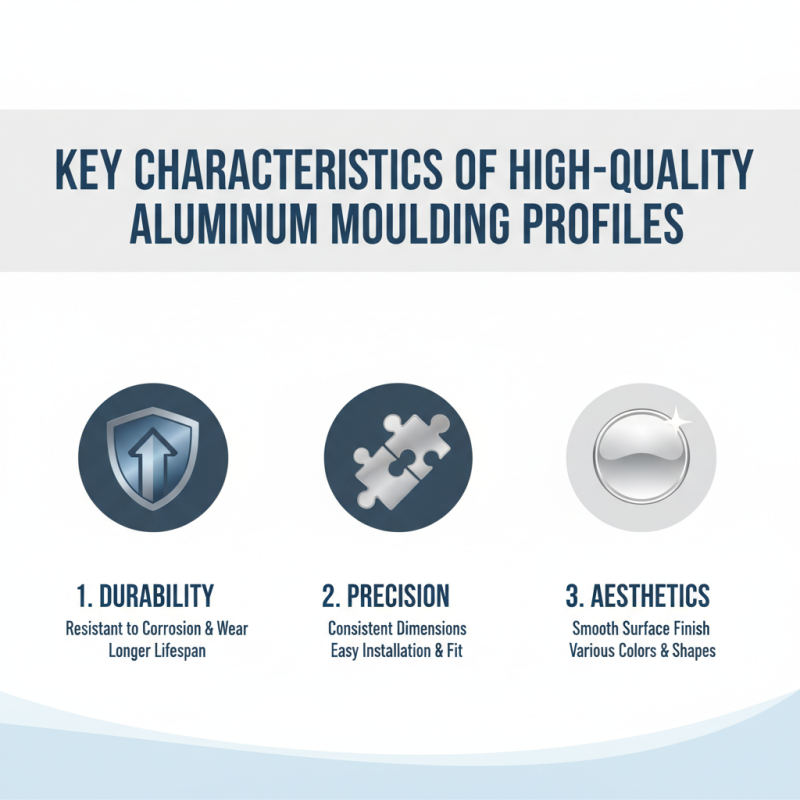
When selecting aluminum moulding profiles, certain key characteristics define quality. The first aspect is durability. High-quality profiles should resist corrosion and wear. This often translates to a longer lifespan, which is crucial for various applications.
Another important characteristic is precision. Well-made profiles should have accurate dimensions. This ensures seamless integration into projects, reducing the need for modifications. Inconsistent measurements can lead to problems during installation. Precision matters not just for aesthetics but also for structural integrity.
Flexibility in design is another indicator of quality. Profiles that can accommodate different shapes enhance their usability. They should be versatile enough to suit various industries, from construction to automotive. However, sometimes manufacturers compromise on aesthetics for functionality. This is where one must reflect on the balance between form and function. Looking for profiles that maintain both can be a challenge, but it is essential for achieving long-term success.
Popular Types of Aluminum Moulding Profiles in the Market
Aluminum moulding profiles are essential in various industries. They provide structural support and aesthetic appeal. The demand for these profiles is rising, driven by their lightweight nature and corrosion resistance. According to a recent report by MarketsandMarkets, the global aluminum molding market is projected to grow at a CAGR of 6.5% from 2022 to 2027. This growth reflects their increasing popularity in construction and manufacturing.
Among the popular types of aluminum moulding profiles are L-shaped and U-shaped sections. L-shaped profiles are widely used in framing and edge protection. U-shaped profiles serve various applications, including enclosures and channels. The versatility of these shapes meets diverse customer needs. It's worth noting that some profiles may not always fit specific applications perfectly. Customers often need to customize their requirements, reflecting the industry's push for tailored solutions.
Another key player is the T-slot aluminum profile. These profiles are favored in modular construction. They allow for easy assembly without welding. Their adaptability is significant, but this ease of use can lead to oversights in structural integrity. Users sometimes overlook the importance of load-bearing capacity, which may cause complications later. This highlights the need for thorough evaluation in sourcing decisions.
Sustainability Trends in Aluminum Moulding for Global Supply Chains
Sustainability is increasingly vital in the aluminum molding industry. Global supply chains are under pressure to adopt eco-friendly practices. This includes reducing energy consumption during production. Innovators are experimenting with new techniques to lower emissions in aluminum processing. Such strides can significantly reduce the carbon footprint.
The trend towards recycling is noteworthy. Many manufacturers are now sourcing recycled aluminum. This material requires fewer resources and energy to produce. Transitioning toward using recycled aluminum could revolutionize the industry. However, sourcing quality recycled material remains challenging for many suppliers.
Understanding the lifecycle of aluminum is also crucial for sustainability. Each phase, from extraction to eventual recycling, has environmental impacts. Continuous assessments are essential. Companies must engage actively in sustainability discussions. They need to reflect on their practices and outcomes. This ongoing reflection can drive innovation and enhance credibility in global markets.
Top Aluminum Moulding Profiles for Global Sourcing Needs
| Profile Type |
Application |
Sustainability Factor |
Market Demand (2023) |
| Standard Extruded Profiles |
Construction and Building |
High recyclability, low energy usage |
120,000 tons |
| Custom Moulding Profiles |
Furniture and Interior Design |
Utilizes scrap aluminum effectively |
80,000 tons |
| Heat Sink Profiles |
Electronics |
Energy efficient heat dissipation |
50,000 tons |
| Architectural Profiles |
Windows and Facades |
Promotes natural lighting, energy efficiency |
75,000 tons |
| Automotive Profiles |
Automotive Body Components |
Lightweight increases fuel efficiency |
95,000 tons |