Top 10 Types of Chain Link Fence for Global Buyers
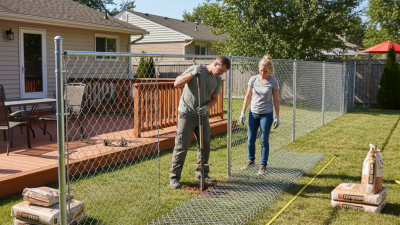
Choosing the right Chain Link Fence begins with more than comparing wire gauges or retail prices. Global buyers must examine coating, mesh size, post strength, wind exposure, installation practice, and local supply conditions. A fence surrounding a logistics yard faces different demands from one protecting a school, farm, sports field, or coastal warehouse.
Market research shows steady demand. Grand View Research values the global fencing market at approximately USD 30 billion in 2023, with infrastructure, security, and construction supporting continued growth. MarketsandMarkets also identifies rising investment in perimeter protection and industrial development. These reports often group chain link products with other fencing systems, so their figures should not be treated as exact Chain Link Fence sales. That limitation matters.
“Chain link fencing is a system, not simply a roll of wire,” says Joe Spak, a veteran representative associated with the Chain Link Fence Manufacturers Institute. His observation reflects a common purchasing mistake. Buyers sometimes focus on mesh appearance while overlooking terminal posts, tension wire, fittings, and corrosion protection.
This guide examines ten Chain Link Fence types used across international markets. It compares galvanized, vinyl-coated, stainless steel, high-security, temporary, privacy, and specialized configurations. Each option has trade-offs. None is perfect.
A coastal project may need heavier zinc protection. A sports facility may require safer height and tighter openings. A temporary site may value rapid assembly over long service life. Buyers should verify test certificates, coating specifications, loading conditions, and installation methods before ordering. Product names can vary between countries, which creates avoidable confusion. Careful comparison remains essential.
Chain Link Fence Basics: Structure, Materials, and Classification
Top 10 Types of Chain Link Fence for Global Buyers
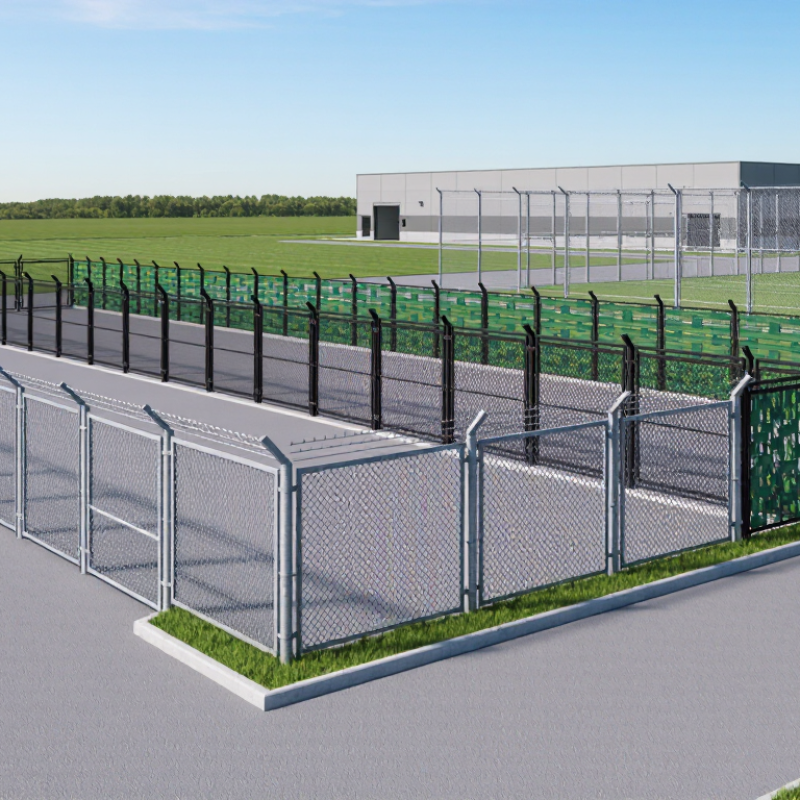
Chain link fence begins with a simple structure: woven wire mesh, line posts, terminal posts, fittings, and tension members. The mesh carries the visible barrier. Posts transfer wind and impact loads into the ground.
Galvanized steel remains a common material because its zinc coating helps slow corrosion. PVC-coated steel adds color and another protective layer. Aluminum is lighter, while stainless steel suits demanding coastal or industrial conditions.
Buyers usually classify chain link fence in several ways. The ten practical types include galvanized, PVC-coated, aluminum, stainless steel, high-security, privacy-slat, windscreen-ready, temporary, heavy-duty, and lightweight residential fence.
Mesh opening, wire diameter, fence height, edge finish, and coating thickness also affect classification. Smaller openings improve resistance, but they increase weight and material use. Knuckled edges are safer to handle. Twisted edges may offer greater rigidity. It depends.
A reliable specification should state mesh size, wire gauge, post diameter, coating standard, and installation method. Concrete depth matters too. Soft soil may require deeper footings or larger posts.
Coastal air can quickly expose weak cut edges, even when the surface looks polished. A neat quotation can still hide an unsuitable design. That is easy to miss.
Check samples, coating adhesion, wire dimensions, and packing before shipment. Site conditions should guide the final selection, not price alone.
Top 10 Chain Link Fence Types by Coating, Wire, and Design
Global buyers often compare chain link fences by coating, wire strength, and design. The right choice depends on climate, security needs, and installation conditions.
Ten useful types cover most projects: 1) hot-dip galvanized before weaving, with consistent protection; 2) hot-dip galvanized after weaving, with stronger edge coverage; 3) electro-galvanized wire, suited to lighter outdoor use; 4) PVC-coated wire, which adds color and a softer surface; 5) polyethylene-coated wire, useful in humid environments; 6) aluminum-coated wire, valued for corrosion resistance; 7) stainless steel mesh, selected for demanding industrial areas; 8) high-tensile wire, reducing sag across longer spans; 9) low-carbon wire, offering easier forming and economical production; 10) privacy-slat chain link, improving visual screening around commercial sites. Mesh opening, wire diameter, and selvage style also affect safety and service life. A narrow opening can discourage climbing, but it may increase material cost.
Tips: Request coating thickness, tensile data, mesh measurements, and salt-spray results. Inspect sample corners and cut edges, not only the center surface. Confirm the post system matches the fence wire. Coastal air, abrasive dust, and freezing soil can change performance quickly. No single type wins every project. A practical mistake is choosing a thick coating while ignoring weak posts or poor drainage. That decision looks secure on paper, yet the fence may still lean, rust, or loosen early.
Top 10 Types of Chain Link Fence for Global Buyers
Comparison by coating, wire, and design using commonly specified commercial configurations. Wire diameters are representative nominal values in millimetres; actual specifications vary by local standards and project requirements.
Key: Galvanized coatings provide corrosion protection, while PVC-coated systems add a polymer outer layer. Knuckle-knuckle, twist-twist, and knuckle-twist describe the top and bottom selvage finishes.
Performance Features of Each Chain Link Fence Type
Top 10 Types of Chain Link Fence for Global Buyers
Performance Features of Each Chain Link Fence Type
Galvanized chain link fence offers reliable corrosion resistance for general outdoor use. It performs well around homes, warehouses, and road boundaries. Vinyl-coated fencing adds a softer surface and extra protection against moisture. Green and black finishes can also reduce visual glare. Aluminum-coated chain link handles humid conditions effectively, although surface damage may expose weaker steel beneath. Stainless steel mesh provides excellent strength and chemical resistance. It suits coastal sites, food facilities, and demanding industrial areas. It costs more. That matters.
High-tensile chain link uses stronger wire to resist impact and stretching. It can reduce material use, but correct installation becomes more important. Heavy-duty security mesh has smaller openings and thicker wire. It improves climbing resistance and perimeter control. Privacy slat chain link reduces visibility while allowing some airflow. However, wind pressure increases, so posts and foundations need careful checking.
Mini-mesh chain link supports safer enclosures for pets, schools, and equipment areas. Small openings prevent many objects from passing through. Aluminum chain link is lightweight and easier to handle on temporary or portable structures. Agricultural chain link often combines stronger posts with wider layouts for animal control. Temporary chain link panels install quickly and support short-term construction management. They are convenient, but repeated relocation may loosen connections. In real projects, drainage, soil movement, salt exposure, and local maintenance skills can change performance. A specification that works on dry ground may disappoint near a wet coastline.
Applications Across Residential, Commercial, and Industrial Sites
Top 10 Types of Chain Link Fence for Global Buyers
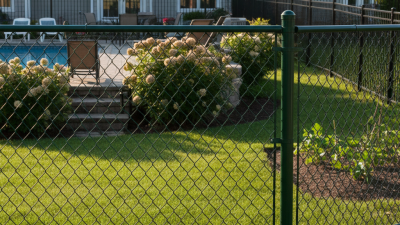
Chain link fencing serves very different sites. In residential yards, galvanized, vinyl-coated, aluminum, privacy-slatted, and mini-mesh fences are common choices. Galvanized wire handles rain well and needs limited maintenance. Vinyl coatings add color and feel softer around gardens. Privacy slats reduce visibility near patios, although strong wind can place extra pressure on posts. Mini-mesh helps keep small pets inside safely.
Commercial properties often need taller, stronger systems. Powder-coated, high-security, and tension-wire chain link fences suit warehouses, schools, parking areas, and sports grounds. A dark coating can blend with landscaping. Tension wire improves the lower edge when vehicles or equipment operate nearby. However, poor post spacing may still cause movement. Site measurements matter more than appearance.
Industrial locations demand careful engineering. Heavy-gauge, stainless-steel, aluminum, razor-resistant, and PVC-coated options can protect factories, utilities, storage yards, and transport facilities. Stainless steel performs well in humid or corrosive environments. Aluminum reduces weight where handling and installation access are difficult. High-security mesh requires controlled gates, secure fittings, and regular inspections. Buyers should confirm wire diameter, mesh size, coating thickness, post strength, and wind exposure before ordering. Regional climate changes the result. A fence that performs well in dry inland conditions may need different materials beside a salty coastline. Even experienced contractors sometimes underestimate drainage and soil quality. That mistake becomes expensive later.
How Global Buyers Compare Specifications, Standards, and Suppliers
Top 10 Types of Chain Link Fence for Global Buyers
How Global Buyers Compare Specifications, Standards, and Suppliers
Global buyers usually compare more than fence appearance. They check galvanized, PVC-coated, stainless steel, aluminum, high-security, privacy-slat, temporary, heavy-duty, farm, and decorative chain link options. Each type serves different conditions. Coastal projects may require stainless steel or thicker protective coatings. Temporary sites often prioritize fast assembly and lighter panels.
Mesh, Wire Diameter, and Coating
Mesh opening and wire diameter affect strength, weight, and cost. A 50 mm mesh is common, while smaller openings improve security. Buyers should confirm wire gauge using millimeter measurements, not gauge numbers alone. Coating thickness also matters. Ask for zinc coating mass, PVC thickness, tensile strength, and dimensional tolerances. Small differences become expensive across thousands of meters.
Standards, Testing, and Factory Audits
Standards must be compared carefully. ASTM, EN, ISO, and local specifications may use different testing methods. A supplier should provide current test reports, production samples, packing details, and traceable material records. Factory audits can reveal uneven weaving, weak welding, poor edge finishing, or inconsistent colors. Photos help, but they are not proof.
Price, Delivered Specifications, and Long-Term Performance
Price is only one signal. A low quote may exclude posts, fittings, sea-worthy packaging, or inspection costs. It happens often. Buyers should compare complete delivered specifications and clarify corrosion expectations, installation conditions, and replacement support. No spreadsheet catches every problem. A careful sample review may still miss performance issues after long exposure, so independent testing remains worth considering.