Why Choose Aluminium Channel Profiles for Your Next Project?
Aluminium Channel Profiles have become increasingly popular in various industries. According to a recent market report by Research And Markets, the global aluminium market is projected to reach USD 189 billion by 2027. This growth highlights the rising demand for versatile materials like aluminium.
Aluminium Channel Profiles offer unique advantages. They are lightweight yet strong, making them ideal for construction and manufacturing. Their corrosion resistance ensures durability in tough environments. However, some projects may underestimate the importance of selecting proper profiles. Inadequate choices can lead to structural weaknesses.
Beyond functionality, aesthetic appeal plays a role. The sleek design of aluminium profiles can enhance a project’s visual impact. Yet, it’s crucial to balance aesthetics with practicality. Many engineers sometimes overlook this harmony, leading to possible future complications. Choosing the right Aluminium Channel Profiles requires careful consideration to maximize both performance and design.
Benefits of Using Aluminium Channel Profiles in Construction Projects
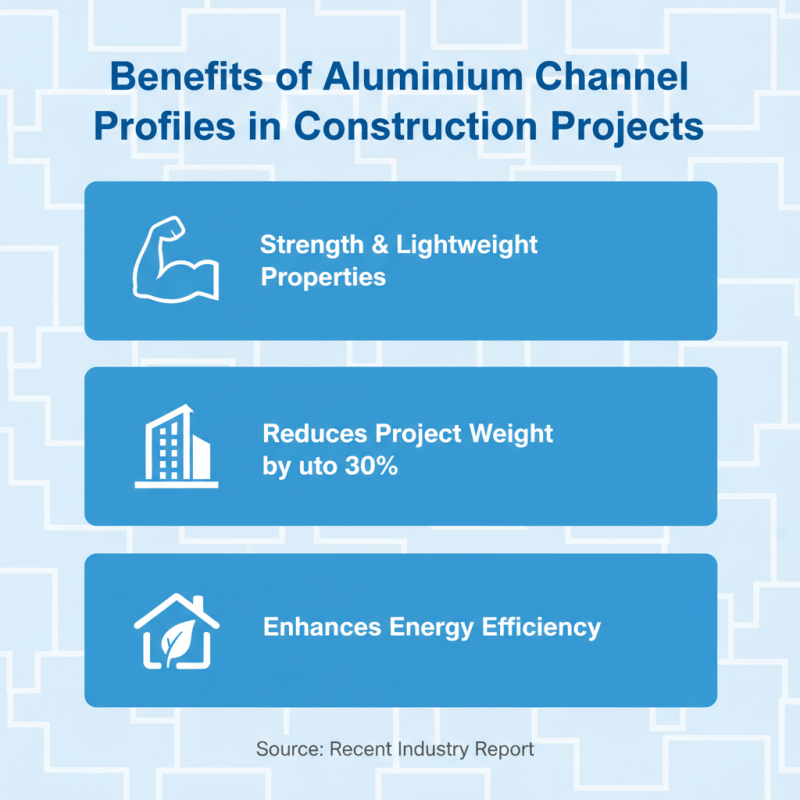
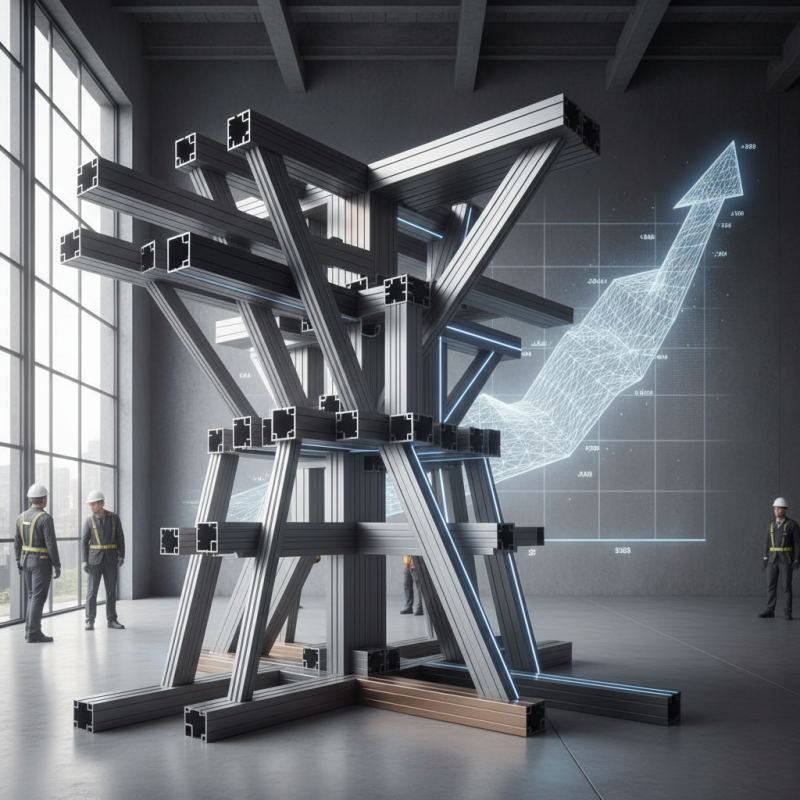
Aluminium channel profiles are increasingly favored in construction projects. These profiles offer a combination of strength and lightweight properties. According to a recent industry report, the use of aluminium can reduce overall project weight by up to 30%. This reduction aids in achieving better energy efficiency in buildings.
One significant benefit is their corrosion resistance. Aluminium does not rust, making it ideal for outdoor applications. This durability can lead to lower maintenance costs over time. A study showed that structures using aluminium profiles may last up to 50 years with minimal upkeep. This longevity translates into significant savings for project developers.
**Tips:** When selecting aluminium channels, consider the specific application. Evaluate whether the project requires enhanced insulation properties. Also, think about the tools available for assembly. Proper tools can streamline the installation process.
Moreover, it's essential to assess the profiles' design flexibility. Aluminium can be easily fabricated into various shapes and sizes. However, this adaptability can sometimes lead to complexity in project specifications. Careful consideration during the planning phase can help mitigate potential issues.
Key Characteristics of Aluminium Channel Profiles for Diverse Applications
Aluminium channel profiles are becoming increasingly popular across various industries. They are lightweight yet strong, making them ideal for many applications. Their versatility allows for easy customization, catering to specific project needs. They can be cut, drilled, and shaped without much effort. This adaptability is a significant advantage.
In construction, these profiles serve as structural supports. They are often used in frames and racks. Their ability to resist corrosion adds to their appeal in outdoor applications. However, some might worry about their thermal conductivity. If not insulated properly, they can transfer heat inappropriately. This is a point worth considering and addressing during design phases.
In automotive and manufacturing sectors, aluminium channels streamline assembly processes. They can reduce the weight of components while maintaining strength. Many projects benefit from these efficiencies, yet there is still room for reflection. One might consider durability versus weight balance. It’s essential to find the right profile for each specific project.
Key Characteristics of Aluminium Channel Profiles
Comparative Analysis: Aluminium vs. Other Channel Profile Materials
Aluminium channel profiles are becoming highly regarded in various industries. They have distinct advantages over other materials like steel or plastic. According to a recent industry report, aluminium is roughly one-third the weight of steel. This lightweight property can lead to significant cost savings in transportation and handling.
On the other hand, while aluminium profiles are often more cost-effective, they can be sensitive to certain environmental conditions. Steel, for instance, offers higher tensile strength. However, it is also prone to rust and corrosion. In contrast, aluminium naturally forms a protective oxide layer that resists corrosion, making it more durable for outdoor applications.
In terms of versatility, aluminium can be easily fabricated. This allows for complex shapes and designs that might be challenging with other materials. However, this flexibility often comes at a price. While you may save in manufacturing, the initial investment can be higher. Selecting the right material isn't just about cost; it involves weighing performance, longevity, and specific project needs.
Design Flexibility Offered by Aluminium Channel Profiles in Engineering
Aluminium channel profiles are popular in engineering for their versatility. They allow for unique designs tailored to specific needs. These profiles can be cut, drilled, and welded. This adaptability makes them suitable for various applications. They can create frames, brackets, and supports with ease.
The lightweight nature of aluminium helps in reducing overall project weight. It is easier to transport and handle compared to heavier materials. However, this can be a double-edged sword. Lightness might compromise strength in specific applications. Designers must carefully assess the balance between weight and durability.
Moreover, the flexibility in design is impressive. Engineers can easily create complex shapes without high costs. Customization does come at a price, though. Precision in cutting and joining is crucial. Any miscalculation can lead to structural issues later. It’s essential to reflect on potential errors in the design phase. Allowing time for adjustments can make all the difference in the final product.
Sustainability and Recycling: Aluminium Channel Profiles’ Environmental Impact
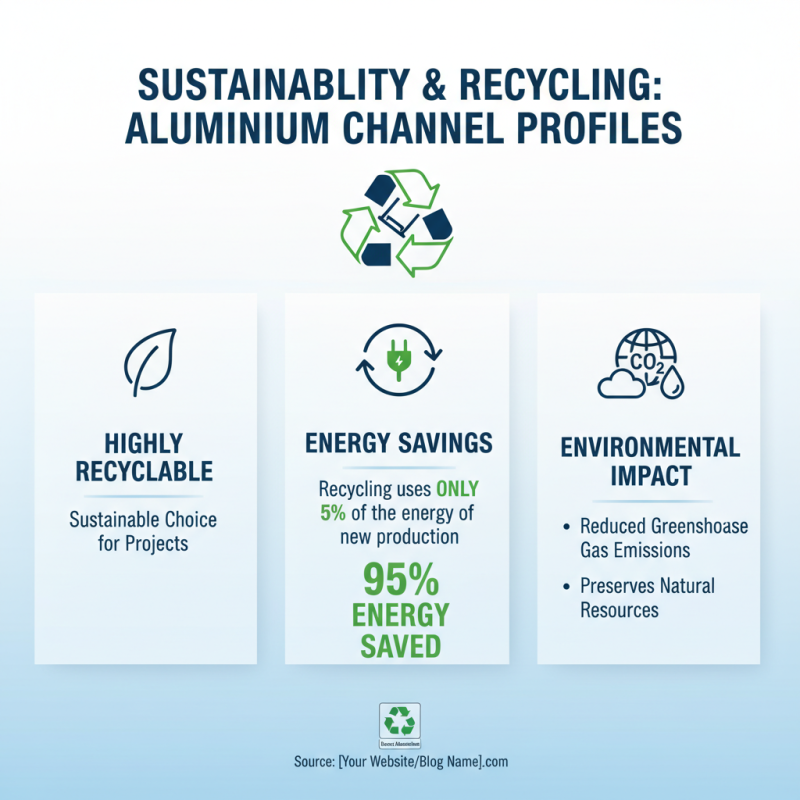
Aluminium channel profiles stand out for their environmental benefits. They are highly recyclable, making them a sustainable choice for projects. The recycling process for aluminium uses only 5% of the energy required to produce new aluminium from ore. This process significantly reduces greenhouse gas emissions and preserves natural resources.
When choosing materials, consider their longevity. Aluminium channel profiles resist corrosion and last for decades. This durability means fewer replacements and less waste. Additionally, they can be reused in various projects. When you're done with your project, think about how to repurpose the aluminium.
Tips: Always check local recycling guidelines. Not all facilities accept the same materials. Maximize the sustainability of your project by designing for disassembly. This approach makes future recycling easier. Lastly, consider how your choice impacts the entire lifecycle of the material. Reflect on the responsibility we hold in using our resources wisely.