Leave Your Message

2026 Best Metal Aluminum Awnings for Global Buyers?

Choosing the 2026 best Metal Aluminum Awnings requires more than comparing prices and attractive product photos. Global buyers need evidence of material quality, tested performance, installation support, and dependable after-sales communication. Aluminum alloy thickness matters. So does the coating.

A well-designed awning should shade windows, doors, terraces, and storefronts without creating drainage problems. Look for powder-coated or anodized surfaces, corrosion-resistant fasteners, reinforced brackets, and clear load information. Coastal projects need stronger protection against salt air. Snowy regions require careful snow-load assessment. High-wind locations demand verified structural testing and professional anchoring.

Building-science expert Joseph Lstiburek has emphasized, “Water is the building’s worst enemy.” His warning applies directly here. Poor slope design can leave rainwater standing near walls, seals, or entrances. Small installation mistakes become expensive later.

This guide examines leading Metal Aluminum Awnings for residential, commercial, and hospitality projects in 2026. It considers frame strength, panel design, drainage, thermal comfort, maintenance, customization, and supplier reliability. Factory certifications can help, but they should not replace practical verification. Ask for drawings, finish samples, test reports, warranty terms, and installation guidance.

No shortlist is perfect. Regional climate changes the answer. A lightweight awning may suit a protected balcony, yet fail on an exposed coastal façade. Buyers should compare real project conditions, not only catalog specifications. The best choice balances appearance, durability, safety, and long-term value.
2026 Best Metal Aluminum Awnings for Global Buyers?

What Are Metal Aluminum Awnings and How Do They Work?

Metal aluminum awnings are exterior covers made from lightweight aluminum panels, frames, or adjustable louvers. They attach above windows, doors, patios, and commercial entrances. Their main job is simple: block direct sunlight while reducing heat near the building envelope.

The aluminum surface reflects much of the sun’s energy before it reaches glass or walls. Fixed panels provide steady shade, while louvered systems allow users to adjust sunlight and airflow. Rainwater moves across the sloped surface and exits through edges or integrated gutters. In practical installations, the pitch matters greatly. A weak slope can leave water standing after heavy rain. That detail is easy to overlook.

Material thickness, fasteners, coating quality, and wall structure affect long-term performance. Aluminum resists rust, but it is not maintenance-free. Salt air, dust, and trapped moisture can still damage coatings or connections. Global buyers should check wind loads, snow conditions, drainage needs, and local installation requirements. A suitable design in a dry region may perform poorly in a coastal or storm-prone area. No design is perfect.

Tips: Measure the wall and opening carefully. Confirm anchor compatibility before ordering. Choose corrosion-resistant hardware for humid climates. Inspect joints and gutters twice a year. Adjustable louvers offer flexibility, but they also contain more moving parts. Simpler fixed awnings may be more reliable when shade needs remain constant.
Key Aluminum Awning Types, Designs, and Performance Features

2026 Best Metal Aluminum Awnings for Global Buyers?

Key Aluminum Awning Types, Designs, and Performance Features

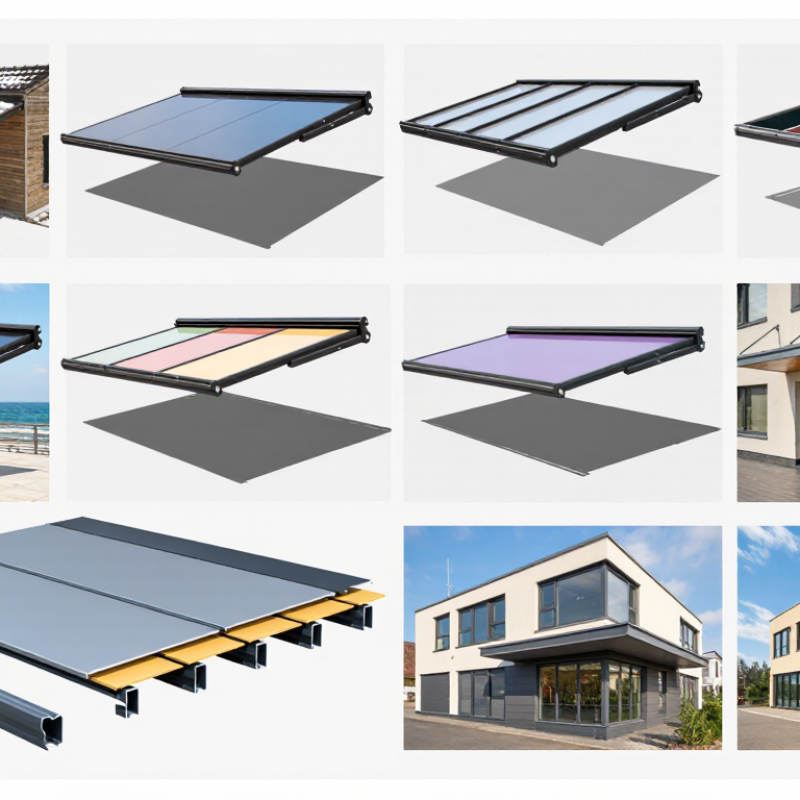
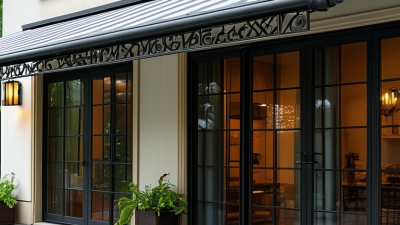
Aluminum awnings suit homes, shops, balconies, and outdoor work areas. Fixed models provide steady shade and protect doors from heavy rain. Retractable designs offer flexible coverage when sunlight changes during the day. Freestanding awnings work well beside patios, pools, and temporary seating areas. Louvered systems can guide sunlight and airflow through adjustable slats. Each type solves a different site problem.

Design affects more than appearance. A shallow slope may look clean, but it can drain water poorly. Deeper projections create stronger shade but require better wall support. Powder-coated surfaces resist fading, while anodized finishes provide a hard, smooth layer. Light colors reduce heat absorption. Dark colors often show dust and scratches sooner. Small details matter.

Performance depends on alloy thickness, bracket spacing, fastener quality, and drainage planning. Buyers should request wind-load data, snow-load guidance, coating specifications, and installation drawings. Coastal projects need corrosion-resistant fasteners and careful separation between dissimilar metals. In hot regions, ventilated designs can reduce trapped heat beneath the canopy. In cold climates, snow accumulation needs realistic review. No awning is perfect. A premium finish cannot correct weak anchoring or poor measurements. Even experienced installers sometimes underestimate water runoff. Confirm local conditions before selecting the final design.

2026 Best Metal Aluminum Awnings for Global Buyers

Typical aluminum awning types, designs, and projection ranges for international project planning.

Projection depth varies by structure, wind-load requirements, drainage design, and local building codes. Window and door awnings are generally compact, while patio, freestanding, and louvered pergola systems provide deeper outdoor coverage. The ranges shown are indicative market specifications and should be confirmed through project-specific engineering.

How to Compare Materials, Durability, and Weather Resistance

2026 Best Metal Aluminum Awnings for Global Buyers?

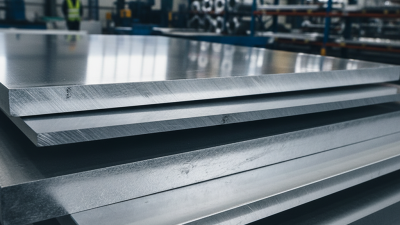
When comparing aluminum awnings, start with the metal grade and forming quality. Aluminum is lightweight, corrosion-resistant, and easier to install than steel. However, not every aluminum panel performs equally outdoors. Ask for alloy details, coating specifications, and thickness measurements. A thin panel may flex under heavy rain, hail, or wind pressure. I have seen attractive awnings develop vibration marks after only one storm season. Appearance can mislead.

Durability depends on more than the frame. Check welded or mechanically joined corners, drainage channels, fastener materials, and load-bearing brackets. Stainless fasteners usually reduce galvanic corrosion, but incompatible metals can still create problems in salty air. Powder-coated surfaces offer strong color retention when properly cured. Coastal buyers should request salt-spray test data, while cold-region buyers need evidence of freeze-thaw performance. Test numbers help, but installation quality matters just as much. Small errors become expensive.

Weather resistance should match the local climate, not a sales brochure. In hot regions, choose finishes that limit heat absorption and fading. In snowy areas, verify the rated snow load and roof pitch. Tropical buyers should inspect seals, water flow, and resistance to driving rain. Ask whether replacement panels and hardware remain available. This is often overlooked. My own preference is to compare documented testing with a physical sample, then examine edges, coating consistency, and drainage details under running water. No option is perfect, and a heavier structure is not automatically the safest one.

How Global Buyers Should Choose Sizes, Suppliers, and Custom Options

2026 Best Metal Aluminum Awnings for Global Buyers?

Choosing an aluminum awning starts with accurate site measurements, not attractive catalogue images. Measure wall width, projection, clearance, and drainage direction. For a shop entrance, allow enough headroom for deliveries and daily foot traffic. A residential window may need less projection, but strong sun can require deeper coverage. Local wind, snow, and rainfall conditions also affect frame size and fixing methods. Ask a qualified local professional to confirm the structural requirements.

Tips: Request a dimensioned drawing before production. Compare material thickness, coating type, load data, packaging, and installation guidance. Ask whether replacement parts remain available. Small details matter.

Supplier selection deserves the same care as product selection. Review factory experience, quality-control records, sample policies, and export packaging. A reliable supplier should explain tolerances clearly and provide photographs from similar projects. Confirm communication times, inspection procedures, delivery terms, and responsibility for damaged goods. Do not rely on the lowest quotation alone. It may exclude brackets, finishes, or technical documents. One project lesson is uncomfortable: unclear assumptions often cost more than stronger materials.

Custom options can include color, fabric or panel style, drainage channels, motorized controls, and unusual mounting brackets. Request samples in daylight because screens distort neutral colors. Customization is useful, but excessive complexity can delay production and complicate future maintenance. Leave room for revision. A perfect first specification is unlikely.

2026 Best Metal Aluminum Awnings for Global Buyers? - How Global Buyers Should Choose Sizes, Suppliers, and Custom Options

Application Typical Width Typical Projection Recommended Roof Form Common Aluminum Materials Typical Cover Specification Useful Custom Options Key Buyer Checks
Small window awning 900–1,800 mm
35–71 in
600–900 mm
24–35 in
Single-slope or shallow curved 6063-T5 aluminum extrusions; 3003-H14 or equivalent aluminum sheet 0.8–1.2 mm metal panels; rear wall flashing recommended Side returns, drip edge, insect screen, concealed brackets, custom color Confirm window opening size, wall substrate, fastener type, and local snow or wind exposure
Door or entrance canopy 1,200–2,400 mm
47–94 in
750–1,500 mm
30–59 in
Flat panel, lean-to, or modest gable 6063-T5 or 6061-T6 structural components; aluminum sheet or standing-seam panels 1.0–1.5 mm panels; integrated front gutter or drip rail Lighting channels, fascia, rain chains, gutter outlets, engraved house numbers Check door swing, required head clearance, drainage direction, and wall anchoring details
Residential patio awning 2,400–6,000 mm
94–236 in
1,500–3,000 mm
59–118 in
Gable, double-slope, or insulated panel roof 6063-T5 framing; extruded or roll-formed aluminum roof panels 1.0–1.5 mm panels; optional insulated sandwich panels Posts, adjustable feet, privacy screens, louvers, skylight panels, motorized shades Request span tables, foundation requirements, drainage capacity, and maintenance access details
Commercial storefront canopy 3,000–9,000 mm
118–354 in
1,800–3,000 mm
71–118 in
Continuous mono-pitch or segmented canopy 6061-T6 or engineered aluminum framing; 3003 or 5052 aluminum sheet 1.2–2.0 mm panels; formed fascia and continuous gutter preferred Sign bands, LED wiring channels, modular bays, removable inspection panels Verify site measurements, allowable wall loads, expansion joints, corrosion environment, and access equipment
Walkway or building-link canopy 6,000–12,000 mm
236–472 in
2,400–3,600 mm
94–142 in
Multi-bay gable, curved, or portal-frame system Engineered 6061-T6 or equivalent structural aluminum; aluminum roof panels 1.2–2.0 mm panels; translucent polycarbonate may be used for daylight sections Intermediate columns, expansion joints, gutters, handrails, lighting, wind screens Require structural calculations, bay-by-bay drainage planning, transport dimensions, and installation sequencing
Coastal or high-humidity installation Project-specific Project-specific Open-drainage or ventilated roof design Marine-suitable aluminum components with compatible stainless-steel fasteners Anodized or exterior-grade powder-coated surfaces; avoid water traps Isolation washers, sealed end caps, removable covers, enhanced drainage, salt-resistant finishes Check galvanic corrosion risk, coating class, fastener compatibility, cleaning requirements, and warranty exclusions
Snow or high-wind region Project-specific Usually reduced unless engineered Steep-slope or reinforced mono-pitch design Engineered aluminum sections selected from calculated loads Panel thickness and purlin spacing determined by local design loads Additional brackets, shorter spans, stronger posts, snow guards, engineered foundations Do not rely on generic wind ratings; obtain stamped calculations based on local code, exposure, snow, and seismic conditions
Buyer note: Dimensions shown are common planning ranges, not universal structural limits. Final sizes, profiles, fasteners, drainage, wind resistance, snow resistance, and foundation requirements must be verified by a qualified local designer or engineer using the applicable building codes.
Supplier comparison checklist: Request technical drawings, alloy and temper information, coating specifications, tolerances, sample approval, packaging dimensions, installation instructions, spare-part availability, inspection records, and clearly defined Incoterms before placing an international order.

Installation, Maintenance, Safety Standards, and Import Considerations

2026 Best Metal Aluminum Awnings for Global Buyers?

Installation quality matters more than a polished catalog image. Check the wall, roof edge, drainage path, and local wind exposure before drilling. A concrete anchor should match the substrate, while a thin cladding panel may need a reinforced fixing zone. Designs should follow local structural rules, such as ASCE 7-22, Eurocodes, or AS/NZS 1170.2. EN 13561 can support performance checks for external blinds and awnings. The U.S. Department of Energy reports that window awnings may reduce solar heat gain by up to 65% on south-facing windows and 77% on west-facing windows. Results depend on orientation, fabric, and ventilation.

Maintenance is simple, but not optional.

Rinse aluminum surfaces with clean water, then use mild soap and a soft brush. Inspect bolts, seals, hinges, and drainage openings every six months. Salt air deserves closer attention. ASTM B117 salt-spray testing can compare coating resistance, but it cannot predict every coastal installation. That limitation is easy to forget. IEA’s 2023 Global Status Report says buildings and construction consume about 30% of global final energy. Shading can help cooling loads, although it is not an energy-saving guarantee.

Import buyers should confirm alloy grade, coating specification, packed dimensions, net and gross weight, HS classification, country-of-origin documents, and Incoterms before payment.

Request load calculations, installation drawings, test reports, and spare fasteners. Packaging needs corner protection and moisture control. A damaged carton can hide bent rails. Local customs rules, product labeling, electrical requirements, and fire provisions may differ. Never assume one certificate covers every market.