Top Quality Aluminium Plate for Global Buyers What to Consider?
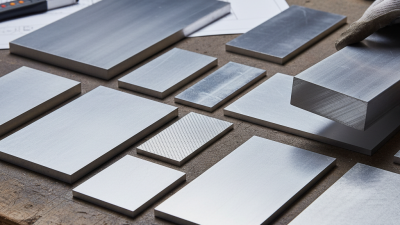
When considering purchasing an Aluminium Plate, quality is paramount. Global buyers face numerous options, making it crucial to understand various factors. This material is widely used in industries like aerospace, automotive, and construction due to its excellent properties. Understanding the nuances of Aluminium Plate types can greatly affect project outcomes.
Buyers should evaluate specific characteristics such as thickness, alloy composition, and surface finish. Different applications require different grades of aluminium, which can complicate the selection process. Additionally, sourcing from reputable suppliers is vital. A trusted provider ensures reliability and adherence to industry standards.
Nevertheless, the market is not devoid of challenges. Variations in quality can occur, making it essential to conduct thorough research. By reflecting on these considerations, buyers can navigate the complexities of acquiring high-quality Aluminium Plate that meets their needs.
Factors Influencing Aluminium Plate Quality in Global Markets
When considering the quality of aluminium plates in global markets, several factors come into play. The alloy composition can significantly affect strength and durability. For instance, 6061 aluminium alloy is widely favored for its excellent mechanical properties. This alloy typically contains magnesium and silicon, providing good corrosion resistance and weldability.
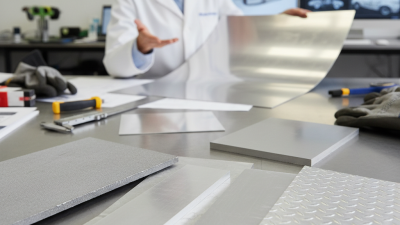
Manufacturing processes also influence the quality of aluminium plates. Techniques such as cold rolling and extrusion can enhance surface finish and precision. A study by the International Aluminium Institute suggests that inconsistent manufacturing methods can lead to significant discrepancies in product quality. Investors must pay close attention to certifications and quality assurance processes.
Tip: Verify the supplier's certifications and manufacturing standards before making a purchase. A lack of transparency can indicate underlying quality issues.
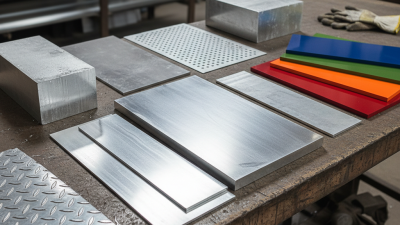
Another crucial consideration is surface treatment. Anodizing and powder coating can enhance resistance to wear and environmental factors. However, not all treatments are created equal. Some may provide only superficial benefits, leading to premature failure.
Tip: Always request detailed information about surface treatments. Understanding this can lead to better purchasing decisions. Ensuring that your choice meets industry standards is essential for long-term performance.
Quality Factors Influencing Aluminium Plates
Key Standards and Certifications for Aluminium Plate Purchases
When purchasing aluminium plates, understanding key standards and certifications is crucial. Different industries require specific grades of aluminium. It’s essential to ensure that the plates meet the required specifications. Common standards include ASTM, ISO, and EN. These standards ensure consistency in quality and performance.
Certifications also play a significant role in building trust. Look for products certified by recognized organizations. Certifications indicate that the aluminium plates have undergone rigorous testing. They provide assurance about the material's properties and performance. However, not all manufacturers prioritize these credentials. Some may overlook this aspect, resulting in low-quality products.
Additionally, consider the supplier’s reputation. Research their history and customer reviews. Reliable suppliers often provide comprehensive documentation about their products. This can include mill test reports and certification details. It’s advisable to ask for this information before making a purchase. Without proper documentation, you may face challenges in the future related to compliance or quality.
Top Quality Aluminium Plate for Global Buyers What to Consider? - Key Standards and Certifications for Aluminium Plate Purchases
| Dimension (mm) |
Thickness (mm) |
Alloy Type |
Temper |
Standards |
Certification |
| 2000 x 1000 |
6 |
6061 |
T6 |
ASTM B221 |
ISO 9001 |
| 3000 x 1500 |
8 |
5005 |
H34 |
ASTM B143 |
OHSAS 18001 |
| 2500 x 1250 |
10 |
7075 |
T651 |
ASTM B211 |
ISO 14001 |
| 4000 x 2000 |
12 |
2024 |
T3 |
ASTM B209 |
ISO 50001 |
Comparison of Aluminium Alloys Used in High-Quality Plates
When selecting aluminium plates, understanding the different alloys is crucial. Various aluminium alloys offer distinct properties suitable for diverse applications. The most common alloys fall into two categories: wrought and cast. Each category has unique characteristics that can affect performance and durability.
For instance, 6000 series alloys are popular for their
good corrosion resistance and
weldability. This makes them ideal for architectural applications.
On the other hand, 5000 series alloys are known for their strength and
resistance to seawater. These features make them suitable for marine applications, posing unique challenges in fabrication.
However, the choice of alloy isn’t always straightforward. Some alloys may corrode more quickly than others in specific environments. It is essential to consider factors like exposure to chemicals or high salinity. Buyers must also educate themselves about material thickness and treatments. Often, the highest quality results from balancing strength, weight, and cost-effectiveness. Understanding these nuances can lead to better purchasing decisions.
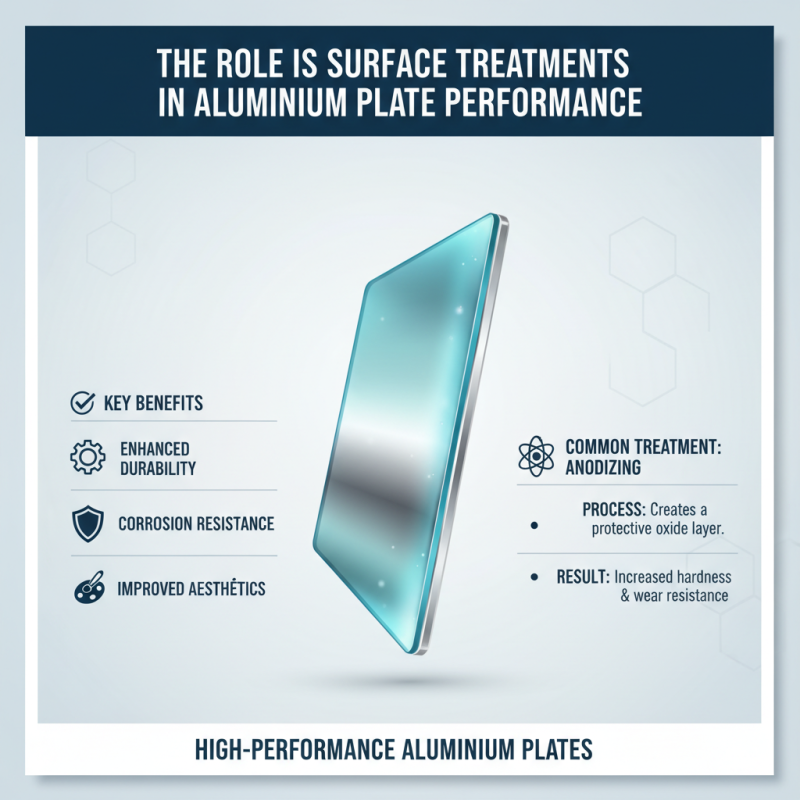
The Role of Surface Treatments in Aluminium Plate Performance
When selecting high-quality aluminum plates, surface treatments play a crucial role in performance. These treatments enhance durability, resistance to corrosion, and overall aesthetics. Anodizing is a common method that increases surface hardness. This process creates a protective layer that bolsters the aluminum's natural resistance to wear and environmental factors.
Additionally, powder coating is another popular surface treatment. This technique provides a thick, even finish that protects the aluminum from scratching and fading. It also allows for a variety of colors and textures. However, the choice of treatment can affect the plate's suitability for specific applications. Not every treatment may work well with particular environments or uses.
Buyers should assess their needs carefully. Understanding the application will guide the selection of the right surface treatment. A thorough evaluation can prevent costly mistakes. The right surface treatment not only improves performance but also extends the lifespan of aluminum plates.
Market Trends and Demand for Aluminium Plates Worldwide
Aluminium plates are crucial in various industries worldwide. Their lightweight nature and strength make them a preferred choice for construction and aerospace. In recent years, the demand for high-quality aluminium plates has seen a significant rise across different sectors. This trend emphasizes the need for manufacturers to focus on quality and performance.
Market dynamics reveal that sustainability is becoming a key factor. Buyers are increasingly looking for environmentally friendly options. As industries strive for greener practices, aluminium recycling gains attention. This shift presents opportunities but also challenges for producers. They must adapt to evolving customer preferences while maintaining quality standards.
Geographic demand varies significantly. Regions experiencing rapid industrial growth show heightened interest in aluminium plates. However, some markets remain cautious. They need assurance regarding the reliability and longevity of products. This discrepancy in demand highlights the importance of establishing trust in the market. Strengthening relationships with clients can bridge this gap. Quality control and transparent practices are essential in fostering confidence among global buyers.