China Top Aluminum Moulding Profiles for Modern Architecture Designs?
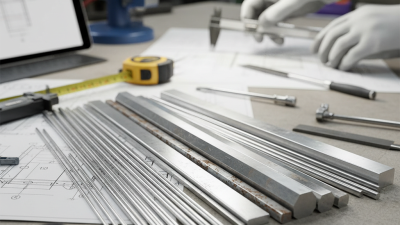
In the realm of modern architecture, aesthetics and functionality go hand in hand. The use of Aluminum Moulding Profiles has emerged as a popular choice among architects. These profiles not only add elegance but also enhance the structural integrity of buildings. Their versatility allows for a wide range of designs, from sleek minimalism to intricate detailing.
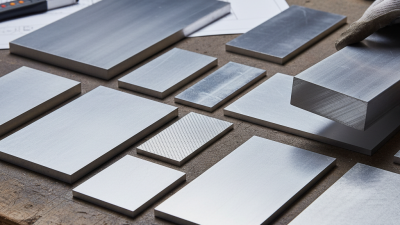
Aluminum Moulding Profiles are lightweight yet durable. They resist corrosion, making them suitable for various environments. The range of finishes can adapt to different architectural styles, creating a seamless harmony between contemporary and traditional elements. However, despite their advantages, some may overlook the importance of quality. Choosing inferior profiles can compromise design integrity.
Innovation is key in architecture. Aluminum Moulding Profiles are frequently being improved to meet modern demands. Architects must stay informed to select the best options. Embracing quality and expertise in this area leads to stunning results. However, one must remain vigilant in balancing trends with timeless design principles. The conversation around Aluminum Moulding Profiles is continually evolving, inviting reflection on what truly matters in architecture.
Overview of Aluminum Moulding Profiles in Chinese Architecture
Aluminum moulding profiles play a crucial role in modern architecture, particularly in China. The versatility and durability of these profiles are increasingly favored by architects and designers. According to a report by the Global Aluminum Moulding Profiles Association, the demand for aluminum profiles in construction has surged by 7% annually over the past five years. This growth reflects an increasing preference for lightweight materials in architectural designs.
Chinese architecture has seen the integration of aluminum moulding profiles in various projects, both residential and commercial. For instance, profiles are commonly used in window frames, curtain walls, and decorative trims. They allow for sleek lines and modern aesthetics while providing structural integrity. Furthermore, aluminum is highly recyclable, which aligns with the growing emphasis on sustainability in construction. Despite these advantages, some challenges persist, such as the initial cost of high-quality aluminum and the need for skilled labor to install complex designs.
Trends indicate that aluminum moulding profiles will continue to evolve. Innovations in thermal insulation and resistance to environmental conditions have emerged. Moreover, architects sometimes overlook the long-term maintenance challenges associated with aluminum. Proper coatings and treatments are essential to prevent corrosion. These considerations are crucial in ensuring that aluminum profiles remain a reliable choice for future architectural projects.
Aluminum Moulding Profiles in Modern Chinese Architecture
Key Properties and Advantages of Aluminum in Modern Design
Aluminum has emerged as a cornerstone in modern architectural design due to its unique properties.
Its lightweight nature, for instance, allows for innovative structures that are both strong and flexible. According to a recent industry report, aluminum's strength-to-weight ratio is three times that of steel, making it an ideal choice for complex architectural projects. This is particularly significant as architects strive for sustainability and efficiency in building designs.
The corrosion resistance of aluminum is another advantage. This property allows structures to withstand harsh environmental conditions without compromising aesthetics. A study by the Aluminum Association highlights that aluminum requires minimal maintenance, unlike other materials prone to rust or degradation. As a result, architects can save on long-term maintenance costs while ensuring the longevity of their designs.
However, it's essential to acknowledge the challenges associated with aluminum. While it offers numerous benefits, issues related to thermal expansion and energy efficiency can arise. Ensuring proper insulation and design is crucial to mitigate potential problems. Architects and designers must continuously reflect on these factors to optimize aluminum's use in their work.
Popular Aluminum Moulding Styles Used in Contemporary Architecture
Aluminum moulding profiles have gained significant popularity in contemporary architecture. They offer versatility and durability, making them a go-to choice for designers. Various styles are available, each catering to specific design aesthetics. For instance, sleek, minimalistic lines are favored in modern designs, providing a clean and unobtrusive finish.
Among popular styles, the cove moulding stands out. It creates a graceful transition between walls and ceilings, enhancing spatial flow. Flat trim is another choice, perfect for a contemporary look. This style emphasizes geometric shapes, adding to the overall structure's modern appeal. However, managing installation can be tricky. Precision is key, and even a slight miscalculation can affect the final appearance.
Some designers opt for ornate profiles, which can be a challenge in modern settings. While they offer a unique touch, they may clash with minimalistic design principles. It’s crucial to find balance. Figuring out which styles complement the overall vision demands thoughtfulness. Therefore, the selection process is not always straightforward but essential for achieving the desired aesthetic.
China Top Aluminum Moulding Profiles for Modern Architecture Designs
| Profile Type |
Dimensions (mm) |
Finish Options |
Application Areas |
Popularity (%) |
| Square Moulding |
20 x 20 |
Anodized, Powder Coated |
Wall Trim, Ceiling Decor |
25 |
| Crown Moulding |
30 x 50 |
Glossy, Matte |
Interior Trims, Cornices |
30 |
| Base Moulding |
100 x 20 |
Brushed, Painted |
Flooring Borders, Baseboards |
20 |
| Picture Moulding |
15 x 40 |
Anodized, Natural |
Gallery Walls, Artwork Frames |
15 |
| Chair Rail Moulding |
70 x 20 |
Satin, Textured |
Dining Rooms, Hallways |
10 |
Innovative Applications of Aluminum Profiles in Building Designs
Aluminum profiles have transformed modern architecture, creating innovative designs that merge
functionality with aesthetics. According to the latest industry reports, the global aluminum extrusion market
is expected to reach over $100 billion by
2025. This growth underscores the material's pivotal role in architectural advancements. Architects and builders leverage aluminum's
lightweight nature and strength to design large, open spaces.
One exciting application is in façade systems. Aluminum profiles allow for large glass panels that enhance natural light. These systems
create visually striking buildings while maintaining energy efficiency. Reports indicate that aluminum's thermal performance can help
reduce energy consumption by up to 30%. Yet, there’s room for improvement. Designers often face
challenges in balancing insulation and structural integrity.
Additionally, aluminum profiles have seen innovative use in modular construction. Prefabricated components streamline the building process,
enabling faster assembly on-site. This approach minimizes waste and can lead to cost savings.
However, reliance on uniform profiles can limit creativity. Architects sometimes struggle with
standardization versus bespoke designs. Addressing this tension is crucial for future
architectural innovations in aluminum use.
Sustainable Practices in the Production of Aluminum Moulding Profiles
Sustainable practices in the production of aluminum moulding profiles are essential for modern architecture. Aluminium is
lightweight and durable. However, its production can be energy-intensive and harmful to the environment. To address this, many manufacturers have adopted greener processes.
For instance, recycling aluminum uses only a fraction of the energy required for new aluminum. This not only reduces emissions but also conserves natural resources. Many companies are now sourcing post-consumer materials. This shift minimizes waste and supports a circular economy.
Challenges exist in ensuring the quality and consistency of recycled materials. The transition can be gradual. However, innovations in technology are paving the way for improvement. Using renewable energy sources, such as solar and wind, in the production process shows promise. This commitment to sustainability can transform how we design and construct modern buildings.