How to Choose the Best Aluminium Stairs for Your Project?
Choosing the right Aluminium Stairs for your project can be a daunting task. With various designs and materials available, making the best decision is crucial to the success of your build. According to renowned industry expert, John Smith, "Selecting Aluminium Stairs requires careful consideration of both functionality and aesthetics." This insight emphasizes the importance of blending practicality and visual appeal.
Aluminium Stairs offer durability and lightweight solutions for a range of applications. They are resistant to corrosion, making them ideal for outdoor use. However, one must consider the specific environment and purpose. For instance, commercial buildings may need heavier-duty stairs compared to residential ones. The wrong choice can lead to safety issues, making proper selection indispensable.
With numerous options on the market, it’s easy to feel overwhelmed. Not every design will fit seamlessly into your project. Therefore, reflecting on both budget constraints and long-term objectives is essential. A well-informed decision on Aluminium Stairs can elevate your project's value while ensuring safety and reliability. This critical choice can significantly impact functionality and aesthetics in the long run.
Understanding the Advantages of Aluminium Stairs
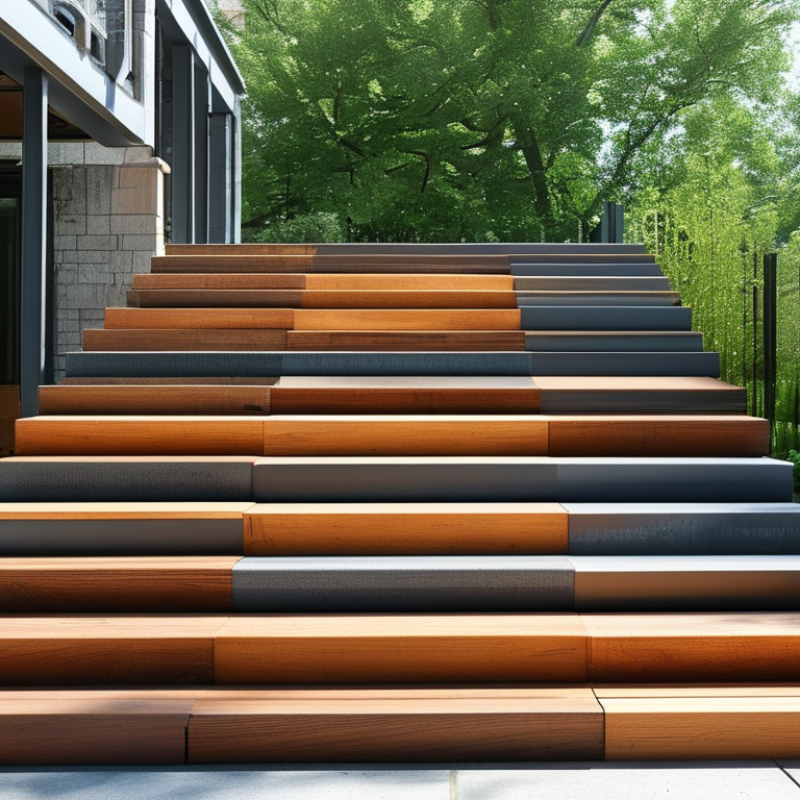
Aluminium stairs have gained popularity due to their unique advantages. They are lightweight yet robust, making installation easier. Their resistance to rust and corrosion ensures they last longer in diverse environments. This durability translates to lower maintenance costs over time, which is a significant consideration for many projects.
The design flexibility that aluminium offers is another critical factor. Stairs can be customized to fit specific needs, whether for residential or commercial use. Consider adding non-slip surfaces for added safety. This can reduce accidents, especially in outdoor settings.
Tips: When selecting aluminium stairs, ensure they meet your structural requirements. Inspect the finish and coating as it impacts longevity. Always involve experienced contractors for installation to maintain standards and safety. Reflect on your project’s needs carefully. Choosing the right stairs can make a significant difference in functionality and aesthetic appeal.
Assessing Your Project Requirements and Space Constraints
When selecting aluminium stairs, project requirements are crucial. Assess the intended use. Is it a residential space or a commercial building? The functionality of your stairs often dictates the design. Consider the weight capacity needed. Some staircases must hold heavier loads, while others may not.
Space constraints play a vital role. Measure your available area precisely. The width and height of the stairs can determine their safety and accessibility. Ensure there’s enough room for safe movement. Sometimes, space can limit your design options. A compact design might require creative solutions, which could lead to less ideal stair configurations.
Reflect on safety features as well. Handrails and non-slip surfaces are essential. Can they be integrated into your design? Aesthetic appeal is important, but must never compromise safety. Always think about maintenance as well. Aluminium requires upkeep for longevity, but designs that are more complex may require more. Balancing these factors holds the key to making a well-informed decision.
Evaluating Different Designs and Styles of Aluminium Stairs
When evaluating different designs and styles of aluminium stairs, begin by considering the specific needs of your project. The layout of the space can significantly influence your choice. For instance, a straight staircase typically fits well in narrow areas, while L-shaped or spiral designs can enhance aesthetic appeal in wider spaces. The visual impact of the stairs should align with the overall design theme of the building.
Material thickness is also vital. Thicker aluminium often provides more strength but may be heavier. This can complicate installation. Lighter designs are easier to handle, yet they might sacrifice durability. Look at various finishes too. A powder-coated finish can offer extra protection and allow for personalization.
Another aspect to consider is safety. Ensuring adequate grip and slip-resistant surfaces in your design is essential. This might not be a concept often discussed in design meetings, but it is a critical oversight. Regular checks on the functionality of these features can help maintain safety over time. It's important to address these elements early in the planning phase for a well-rounded project.
Comparing Costs and Durability of Aluminium Stair Options
When selecting aluminium stairs for your project, understanding costs and durability is crucial. Aluminium is known for its lightweight nature, making it an appealing option. However, not all aluminium stair solutions are equal in quality or price. It's essential to compare the thickness of the materials used. Thicker aluminium often results in increased durability but at a higher cost.
Durability is another significant factor. Look for features like corrosion resistance. Some aluminium stairs may not withstand harsh weather conditions, leading to premature wear. Options with protective coatings can enhance durability but could also raise the initial price tag. Regular maintenance may be necessary for certain models, which can add to the overall cost.
While selecting the right stairs, consider the installation process as well. Some designs may be simpler to install, saving you labor costs. However, choosing a more intricate design might require professional help, increasing the project's overall budget. Balancing these factors is critical to making an informed decision. Often, the cheapest option upfront may not be the best long-term investment.
How to Choose the Best Aluminium Stairs for Your Project? - Comparing Costs and Durability of Aluminium Stair Options
| Option |
Cost ($ per unit) |
Weight Capacity (lbs) |
Durability (years) |
Finish Options |
| Basic Aluminium Stair |
250 |
600 |
10 |
Anodized |
| Heavy-Duty Aluminium Stair |
450 |
1000 |
15 |
Powder Coated |
| Temporary Aluminium Stair |
150 |
400 |
5 |
Unfinished |
| Custom Aluminium Stair |
600 |
800 |
12 |
Anodized, Powder Coated |
| Lightweight Aluminium Stair |
200 |
500 |
8 |
Anodized |
Selecting the Right Supplier for Quality and Safety Standards
When selecting aluminium stairs, the right supplier can make all the difference. A reputable supplier ensures that safety standards are met. They should provide certifications and proof of compliance with relevant industry standards. Look for a supplier with a solid track record in the market. Testimonials from past clients can provide insights into their reliability.
Quality can vary significantly among suppliers. Poor-quality materials can lead to unsafe structures. Inspect the materials offered by your potential suppliers. Request samples to evaluate the finish and durability. Check if they have experience in your specific project type. Sometimes, suppliers may not fully understand your unique requirements. Be clear about your needs to avoid potential miscommunication.
Safety should never be compromised, so do thorough research. Trustworthy suppliers will be transparent with information. They should welcome questions about their processes. If a supplier hesitates, it might be a red flag. Engage suppliers in discussions about their safety protocols. This not only enhances your understanding but also helps reinforce safety as a priority in your project.
Comparison of Aluminium Stairs Quality Ratings