How to Choose the Best Aluminum Veranda for Your Home?
Choosing the right Aluminum Veranda for your home can be a daunting task. Industry expert John Smith, a seasoned architect with over 20 years of experience, emphasizes, "A well-designed Aluminum Veranda can transform your living space." This quote encapsulates the importance of making the right decision in this area.
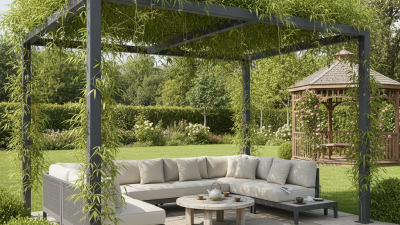
Aluminum Verandas not only enhance your outdoor experience but also provide durability and aesthetic appeal. The market offers a variety of styles and designs, making the choice even more complex. It’s crucial to consider factors like size, functionality, and local climate. Each detail, from color to finish, can impact the overall look and feel of your home.
Many homeowners overlook the significance of professional installation. A poorly installed Aluminum Veranda can lead to problems down the road. Reflect on your specific needs before making a choice. Investing time in research will pay off in the long run. Choose wisely to ensure your Aluminum Veranda serves you well for years to come.
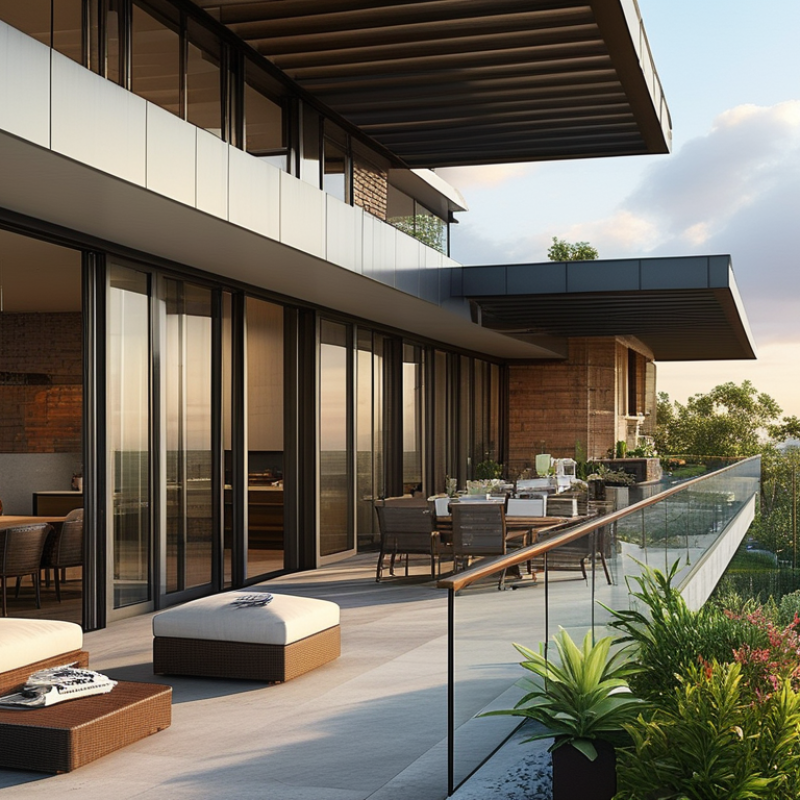
Factors to Consider When Selecting an Aluminum Veranda Design
When selecting an aluminum veranda design, consider your home’s architectural style. The design should complement your home’s exterior. Modern homes often pair well with sleek designs, while traditional homes may look better with classic details. A mismatch can detract from your home's overall appeal.
Another factor is climate suitability. Aluminum is lightweight and durable, but its effectiveness varies in different weather. In windy areas, consider designs that can withstand strong gusts. A well-designed veranda can enhance outdoor living, but it should prioritize stability and safety.
Lastly, think about maintenance. Aluminum requires less upkeep than other materials, but it can still show wear over time. Ensure your choice balances aesthetics and practicality. Regular inspections can help maintain its appearance and performance. This thoughtful approach ensures your veranda meets your needs over time.
Benefits of Aluminum Verandas: Durability and Low Maintenance
Aluminum verandas have gained popularity due to their impressive durability. They can withstand harsh weather conditions, including heavy rain, snow, and intense heat. Unlike wood, aluminum does not warp or crack over time. This means your veranda can look great for years without significant wear. Many homeowners appreciate this long-lasting solution.
Another major advantage of aluminum verandas is their low maintenance requirements. Regular cleaning with soap and water is often all that's needed to keep them looking new. No need for repainting or sealing. This simplicity saves both time and money. Some might wonder about the initial cost, but considering the longevity and reduced upkeep, it often pays off in the long run.
While aluminum verandas are nearly perfect, it's important to consider installation and design. An ill-fitted structure can lead to problems. Ensuring a proper fit requires expertise. This is where professional help becomes vital. A well-installed veranda enhances your home's appeal and functionality. However, getting it wrong can lead to regrets. Always weigh your options and seek advice before making a decision.
Understanding Thermal Performance: Insulation Properties of Aluminum
When selecting an aluminum veranda, understanding its thermal performance is crucial. Aluminum has excellent strength-to-weight ratios, yet its insulation properties can vary significantly. A study by the Aluminum Association indicates that aluminum can achieve U-values as low as 1.5 W/m²K when properly insulated. This result shows how effective design can enhance energy efficiency.
Tips for maximizing thermal performance include choosing models with thermal breaks. These breaks create a barrier between the interior and exterior aluminum sections. Furthermore, consider double-glazing options for any glass panels. Research from the National Renewable Energy Laboratory suggests that double-glazing can reduce heat loss by up to 50%.
While aluminum's durability is a plus, its traditional thermal conductivity isn't. Ambient temperatures can influence the veranda's interior climate drastically. In regions with extreme weather, investing in high-quality insulation materials is wise. This decision can lead to lower heating costs in winter and cooler spaces in summer. Thoughtful choices in design and materials will ultimately yield a comfortable living environment.
Thermal Performance of Aluminum Verandas
This chart displays the thermal conductivity of different materials commonly used in verandas. Aluminum has the highest thermal conductivity, while insulated aluminum shows significantly improved insulation properties. This information can help you make informed decisions when choosing the best aluminum veranda for thermal performance.
Comparing Cost-Effectiveness of Aluminum Verandas vs. Other Materials
When considering outdoor structures, aluminum verandas stand out for various reasons. One important factor is cost-effectiveness. Compared to wood and vinyl options, aluminum offers a durable and low-maintenance alternative. It resists weather damage and does not warp or rot, making it a reliable choice for homeowners. Over time, the initial investment in aluminum often pays off. Its longevity means fewer replacements and repairs.
Another aspect to consider is insulation. Aluminum has better thermal performance compared to some materials. This can lead to energy savings, especially in extreme weather conditions. However, it’s crucial to factor in installation costs. High-quality installation is key and may require expert help. This can raise overall expenses, but it ensures reliability and performance.
Reflecting on these aspects, it's vital for homeowners to weigh their options carefully. Not all aluminum products are created equal, and some may not perform as expected. Research is necessary. Gathering insights from multiple sources can help in making an informed choice that fits individual needs.
How to Choose the Best Aluminum Veranda for Your Home? - Comparing Cost-Effectiveness of Aluminum Verandas vs. Other Materials
| Material |
Initial Cost ($/sq ft) |
Maintenance Cost (Annual) |
Lifespan (Years) |
Cost-Effectiveness Rating (1 to 5) |
| Aluminum |
15 |
100 |
30 |
5 |
| Wood |
25 |
200 |
15 |
3 |
| Vinyl |
20 |
50 |
25 |
4 |
| Fiberglass |
30 |
75 |
40 |
5 |
| Steel |
35 |
150 |
20 |
3 |
Essential Features and Accessories to Enhance Your Aluminum Veranda
When enhancing your aluminum veranda, consider the essential features and accessories that can elevate its functionality and aesthetics. Start with durable, weather-resistant materials. Look for powder-coated finishes to protect against rust and fading. Ensure the structure can withstand local weather conditions, especially if you live in an area with high winds or heavy rain.
Lighting is a game-changer. Install soft, integrated lighting options to create a warm ambiance in the evenings. Choose LED fixtures for energy efficiency. Additionally, consider adjustable blinds or shades for better control of sunlight and privacy. Outdoor furniture should complement your design, providing comfort and style. Opt for furniture made from weather-resistant materials to ensure longevity.
Add personal touches with decorations like outdoor rugs, plants, or art pieces. These elements can bring life to your veranda. However, be mindful of clutter. A well-decorated space feels open and inviting. Reflect on your design choices. Are they practical and aligned with your lifestyle? Finding the right balance can take time, but the end result will be a welcoming space for family and friends.