Choosing the right Metal Fence Panels requires more than comparing prices on a supplier’s website. Global buyers must examine materials, panel designs, surface protection, dimensions, and installation conditions. A product that performs well beside a dry warehouse may struggle near a humid coastline. Details matter.
This guide introduces the main panel types used in residential, commercial, agricultural, and industrial projects. It considers welded wire panels, ornamental steel panels, expanded metal panels, corrugated panels, and aluminum alternatives. Each option offers different levels of visibility, strength, privacy, maintenance, and visual appeal. Buyers should review wire diameter, opening size, post spacing, coating thickness, and connection hardware before approving an order. Small differences can affect transport weight and installation time.
Practical purchasing experience also shows that specifications do not tell the whole story. Factory quality control, packaging, corrosion testing, and production consistency deserve equal attention. Ask for clear drawings, material certificates, coating information, and representative samples. A sample may reveal rough welds, uneven finishes, or weak edges before a full shipment arrives. That step is often overlooked.
No panel is perfect. Even experienced buyers can underestimate local weather, installer skill, or long-term cleaning needs. This article therefore presents useful comparisons rather than one universal answer. Reliable decisions come from matching panel performance with the site, budget, appearance, and expected service life. Clear communication with qualified manufacturers remains essential throughout the process.
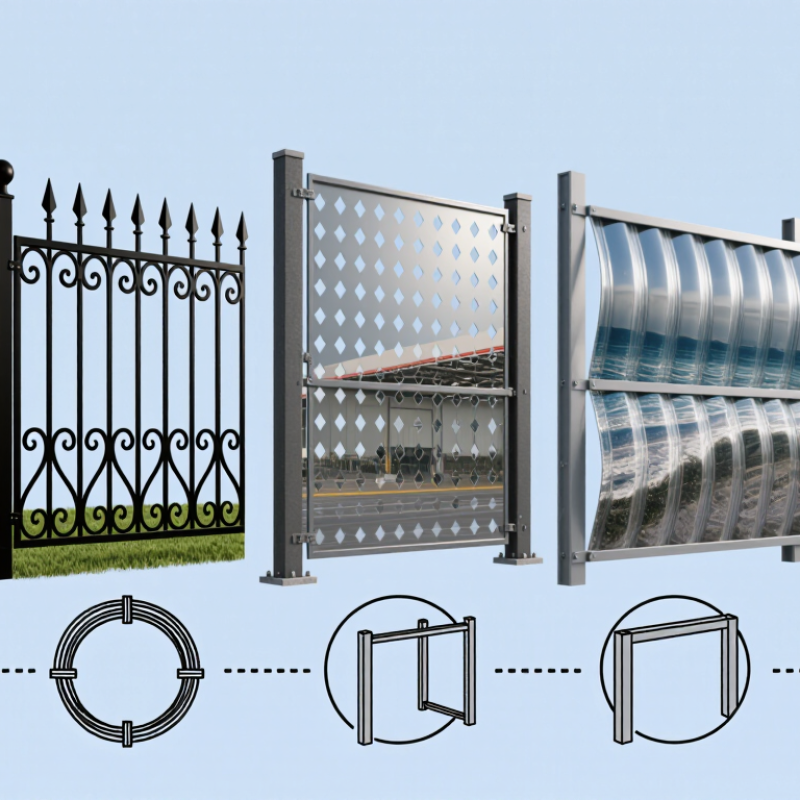
Metal fence panels combine posts, rails, infill wires, brackets, and fasteners. This structure controls strength, alignment, and installation speed.
Welded wire panels suit sites needing visibility and dependable security.
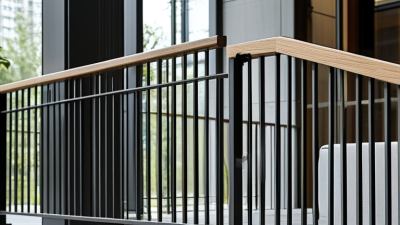
Ornamental panels offer a formal appearance around homes, schools, and public spaces.
Three-dimensional panels add folded ribs for improved stiffness without excessive weight.
Steel remains a practical choice for large projects. It provides strong load performance and wide fabrication options. Hot-dip galvanizing helps protect exposed surfaces from moisture and corrosion. Powder coating can add color and another protective layer.
Aluminum panels are lighter and resist rust, making them useful near humid or coastal areas. Stainless steel performs well in demanding environments, but its higher cost requires careful budgeting.
Applications vary by climate, use, and maintenance access.
Residential buyers often choose decorative panels with narrow gaps.
Warehouses and commercial sites may need taller welded panels and reinforced posts.
Farms typically value simple repairs and durable mesh openings.
Coastal projects need corrosion-aware material selection, sealed connections, and regular inspections. A panel may look strong, yet weak anchors can reduce the whole system’s performance.
No specification sheet answers every site question.
Measure wind exposure, soil conditions, drainage, and local installation requirements before ordering.
Include spare fasteners.
Small details are often missed.
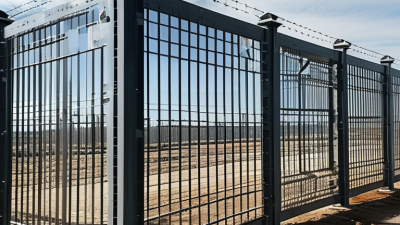
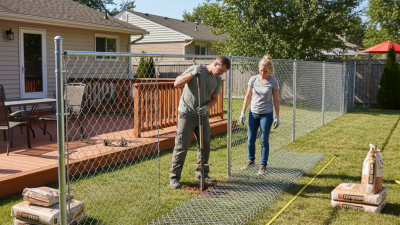
Welded wire fence panels offer a practical balance between protection and clear sightlines. Their rigid steel grid is difficult to cut or bend with ordinary hand tools. Open meshes also help security teams observe entrances, storage areas, and boundary activity. This visibility can reduce hidden corners without creating a completely enclosed appearance.
Panel strength depends on wire diameter, mesh spacing, weld quality, and support spacing. Buyers should match these details with the site’s risks and weather conditions. Smaller openings improve control around equipment yards and service compounds. Larger openings may suit farms, sports grounds, or areas needing stronger airflow. Hot-dip galvanized or suitable coated steel can slow corrosion, especially in humid or coastal environments.
Do not judge a panel by appearance alone. A heavy-looking grid may still need stronger posts and better connections. In practical inspections, weak clamps often cause trouble before the mesh does. Check post foundations, fasteners, gates, and drainage together. Local construction requirements also matter, because fence height and installation methods can vary between regions. One detail is easy to miss: visibility works both ways. It supports monitoring, but it offers little privacy. A careful site assessment should decide whether security, airflow, appearance, or privacy deserves priority.
Ornamental metal fence panels combine boundary security with a more deliberate visual character. For global buyers, the best choice depends on climate, installation conditions, and design purpose. Laser-cut steel creates clean silhouettes, while pressed or forged patterns offer deeper texture. A repeating leaf motif can soften a modern property. Simple geometry often looks better on large boundaries.
Material selection requires practical attention. Hot-dip galvanized steel helps protect panels from moisture and corrosion. A durable powder coating adds color and another protective layer. Coastal projects need stronger corrosion resistance than inland installations. Ask suppliers for coating specifications, steel thickness, panel dimensions, and sample pieces. These details are more useful than attractive catalog images.
Panel spacing affects privacy, airflow, and appearance. Narrow openings provide more privacy but may increase wind pressure. Wide openings feel lighter and reduce visual weight. Check post spacing and foundation requirements before ordering internationally. Packaging also matters, especially for long-distance shipping. Sharp decorative edges should be finished carefully, since small defects become obvious after installation. Ornate patterns can trap dust and make cleaning slower. That is easy to overlook.
A reliable supplier should provide consistent drawings, inspection records, and clear installation guidance. Buyers should compare several samples under natural light. Dark coatings may hide surface flaws at first. Overly complex designs can also become dated sooner than expected. Good design is not always the most detailed design.
Corrugated and privacy metal fence panels serve different needs across commercial and residential projects. Corrugated panels have folded ribs that improve stiffness while keeping the design visually light. They suit workshops, storage yards, farm buildings, and modern garden boundaries. Their repeating lines also help hide small dents, which can happen during delivery or installation.
Privacy panels use solid sheets, narrow gaps, or overlapping edges to reduce visibility. They work well around patios, pools, apartment courtyards, and busy commercial properties. For homes, a textured finish can soften the hard appearance of steel. For businesses, taller panels may protect loading areas from windblown dust and unwanted views. However, taller fencing catches more wind. Stronger posts and deeper footings may be necessary.
Material thickness matters. Thin panels can look economical, but they may flex under pressure or poor handling. Check the panel gauge, post spacing, fastener quality, and corrosion-resistant coating together. Coastal buyers should ask about salt exposure and drainage around the posts. Water trapped at the base often causes trouble before the panel itself fails.
Installation quality remains decisive. Uneven ground may require stepped panels, trimmed edges, or a small clearance below the sheet. That clearance reduces contact with wet soil, although it can slightly reduce privacy. I have seen attractive fences lose performance because the gate frame was too light. Buyers should match the panel system with local wind conditions, building requirements, and future maintenance access. A perfect fence does not exist; practical compromises should be recorded before ordering.
Global buyers compare metal fence panels by more than appearance. Durability begins with the base metal, coating, and local climate. Hot-dip galvanized steel usually suits humid, coastal, and industrial locations better than untreated steel. ISO 1461 and ASTM A123/A123M specify minimum zinc coating requirements for galvanized steel products. Buyers should request coating thickness records, not accept vague claims like “weather resistant.”
Standards also reveal manufacturing discipline. Weld quality, panel dimensions, fastener grades, and coating adhesion affect long-term performance. The World Steel Association reports that more than 680 million tonnes of steel are recycled globally each year. This supports steel’s circular value, but recycled content alone does not prove fence durability. Ask for material certificates, corrosion testing, and traceable inspection results. Small details matter.
Installation needs can change the buying decision. Heavy panels require stronger posts, deeper foundations, and lifting access. Uneven ground may need stepped panels or adjustable brackets. Coastal projects should consider stainless or coated fasteners, because weak hardware can fail before the panel. ASTM F567 provides useful installation guidance for fencing systems, although panel designs still require project-specific engineering.
A common mistake is comparing panel prices without calculating posts, concrete, labor, drainage, and replacement access. Measure twice. I would also review the supplier’s test conditions carefully. Laboratory results may not represent constant salt spray, poor drainage, or accidental impact on a busy site.