Why Choose a Metal Gazebo for Outdoor Spaces?
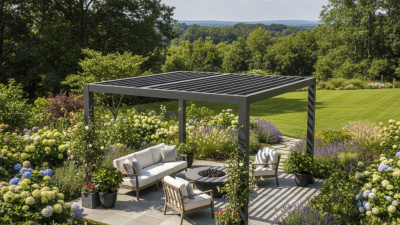
Choosing a Metal Gazebo can transform an exposed patio into a defined outdoor room. It offers shade, structure, and a stronger visual anchor than many temporary fabric shelters. Steel or aluminum frames can support climbing plants, lighting, curtains, and outdoor fans. The result feels useful in changing weather, not merely decorative.
Joe Raboine, an outdoor-living design specialist, observes, “Outdoor living should feel like an extension of the home.” That idea explains why proportion matters. A compact Metal Gazebo can frame two chairs and a small table without overwhelming a garden. A larger model can shelter dining furniture, a grill, or a quiet reading corner. Measure carefully. A beautiful structure can still feel awkward when it blocks windows or crowds a walkway.
Durability is another important reason to consider metal. Powder-coated finishes help resist moisture, fading, and everyday scratches. Aluminum is lightweight and naturally resistant to rust, while galvanized steel often provides greater weight and strength. Local climate still matters. Coastal air, heavy snow, and strong winds demand better specifications and more frequent inspections.
Metal is not maintenance-free. Fasteners loosen, coatings age, and drainage areas collect debris. That honest limitation should shape the purchase. Look for tested load ratings, clear installation guidance, reliable warranties, and replacement parts. Check the roof connection after severe weather. Touch up damaged finishes promptly.
A Metal Gazebo succeeds when it fits the space, climate, and daily habits. It should make outdoor time easier, cooler, and more comfortable. Style matters, but practical performance matters longer.
What Is a Metal Gazebo and How Does It Work?
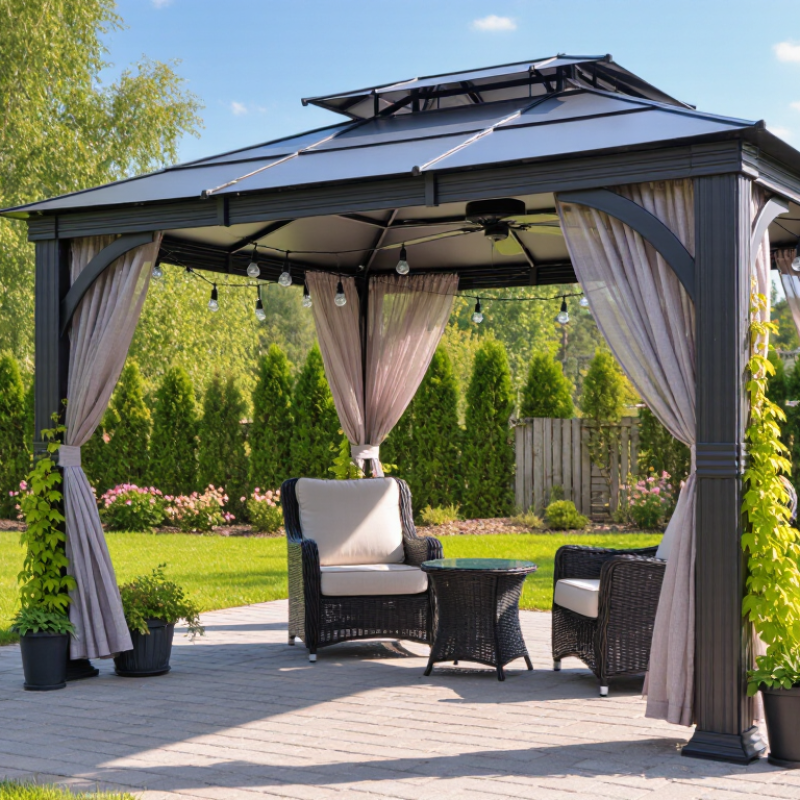
A metal gazebo is a freestanding outdoor structure with a rigid frame, roof, and open or screened sides. Steel and aluminum are common choices because they provide dependable support. The frame transfers roof weight toward the posts, while anchors hold those posts against wind movement. Some roofs use panels with slight slopes, allowing rainwater to drain instead of collecting overhead. Air moves through the open sides, creating shade without completely blocking the garden view.
In practical use, the gazebo becomes a small outdoor room. It can shelter a dining table, chairs, or a reading corner from strong sunlight and light rain. Powder-coated or galvanized surfaces usually resist moisture, but no finish lasts forever. I have seen tiny scratches become rust spots when ignored. That detail is easy to miss. A solid roof may also trap heat on still afternoons, especially when the sides are closed. Check the frame, roof load, drainage, and anchoring method before installation. Follow local safety guidance for permanent structures.
Tips: Place the gazebo on level ground with good drainage. Tighten visible fasteners after seasonal storms. Wipe dust from roof channels before heavy rain. Leave space around the posts for inspection. If the structure shakes noticeably, stop using it until the anchors and joints are checked. A little prevention helps.
Why Choose a Metal Gazebo for Outdoor Spaces?
A metal gazebo uses a rigid frame of steel or aluminum to support the roof and provide a stable, open-air structure. The chart compares minimum yield-strength values for common structural metals. Higher yield strength indicates greater resistance to permanent bending under load, although actual gazebo performance also depends on engineering, joints, anchoring, wind exposure, and roof design.
Reference values: carbon structural steel, 250 MPa; 304 stainless steel, 215 MPa; 6061-T6 aluminum, 276 MPa. Values are typical minimum yield-strength specifications for commonly used material grades and are not a substitute for structural calculations.
Which Metal Types and Designs Suit Outdoor Spaces?
A metal gazebo suits outdoor spaces when strength, maintenance, and climate are considered together. Aluminum is lightweight, corrosion-resistant, and easy to install. The Aluminum Association lists aluminum’s density at about 2.7 g/cm³, compared with roughly 7.85 g/cm³ for steel. That difference helps reduce structural weight. However, thin aluminum frames may feel less rigid during strong winds. Galvanized steel offers better stiffness and impact resistance. The American Galvanizers Association reports that hot-dip galvanized steel can protect for more than 50 years in many rural environments. It may still develop surface wear near saltwater.
Design should match the setting, not only personal taste. A louvered roof improves airflow and gives adjustable shade. A fixed roof provides stronger rain protection but can increase wind pressure. ASCE 7-22 recommends considering local wind speed, exposure, and roof geometry when designing outdoor structures. Powder-coated finishes add color and reduce routine repainting. Dark finishes look refined, yet they can become noticeably hot under direct sunlight. I have seen beautiful frames fail because drainage was ignored. Small details matter. Sloped roofs, sealed joints, and anchored posts improve long-term performance.
Tips: Choose aluminum for lighter structures and humid climates. Select galvanized steel for larger spans or exposed sites. Use stainless-steel fasteners to reduce galvanic corrosion. Check local wind requirements before installation. Leave space around the gazebo for airflow and maintenance. One compromise remains: the strongest design may not be the most comfortable.
How Should a Metal Gazebo Be Installed and Maintained?
A metal gazebo can make an outdoor space feel structured without blocking the view. Its installation, however, deserves careful planning. Choose firm, level ground with enough clearance from walls, trees, and overhead wiring. Check local building requirements before digging or fixing anchors.
Measure twice. Mark each post position clearly. A concrete base offers reliable support, especially in windy areas. Use a spirit level while assembling the frame, because a small tilt can strain roof panels and joints. Tighten bolts gradually rather than forcing one side completely. I have seen rushed assembly create uneven gaps that later collected rainwater.
Maintenance should begin after the first month.
Inspect anchors, bolts, roof seams, and drainage paths. Remove leaves before moisture sits against the metal. Wash the frame with mild soap and clean water, then dry it thoroughly. Look for chipped coatings or orange rust near cut edges. Sand small damaged areas, apply a suitable metal primer, and repaint with an exterior coating. Rust starts quietly. Do not ignore it.
Lubricate moving screens or hinges when needed, but keep oil away from fabric and roofing surfaces. In regions with snow, remove excessive weight according to the structure’s instructions. Strong wind may also require seasonal checks. My own weakness is overlooking hidden joints, where corrosion often develops first. A flashlight and a few minutes of close inspection can prevent a much larger repair.