Best Aluminum Floor Options for Global Buyers?
When exploring the best aluminum floor options for global buyers, expertise is essential. Renowned flooring expert John Smith recently noted, "Aluminum flooring combines strength and style like no other material." This statement emphasizes the unique qualities of aluminum floors that attract various users worldwide.
Aluminum floors are known for their durability. This makes them suitable for high-traffic areas, both indoors and outdoors. Their lightweight nature allows for easy installation, which can save time and labor costs. However, not all aluminum floors are created equal. Some may lack resistance to scratches or dents, raising concerns for buyers.
Additionally, the aesthetic appeal of aluminum flooring is significant. It comes in various finishes, catering to different design preferences. Buyers must weigh their options carefully, as choosing the wrong product can lead to dissatisfaction. Knowledgeable purchasers should consider both functionality and visual impact when making their selections.
Types of Aluminum Flooring Available in the Market
When considering aluminum flooring, it's essential to understand the various types available in the market.
Aluminum flooring comes in several forms, such as sheets, tiles, and planks. Each type has unique features catering to different needs.
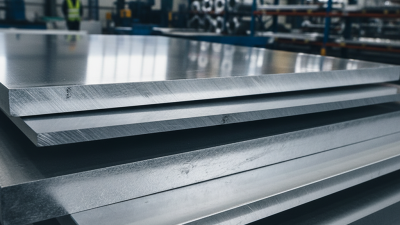
Aluminum sheets are popular for industrial applications. They are strong yet lightweight, making them ideal for high-traffic areas.
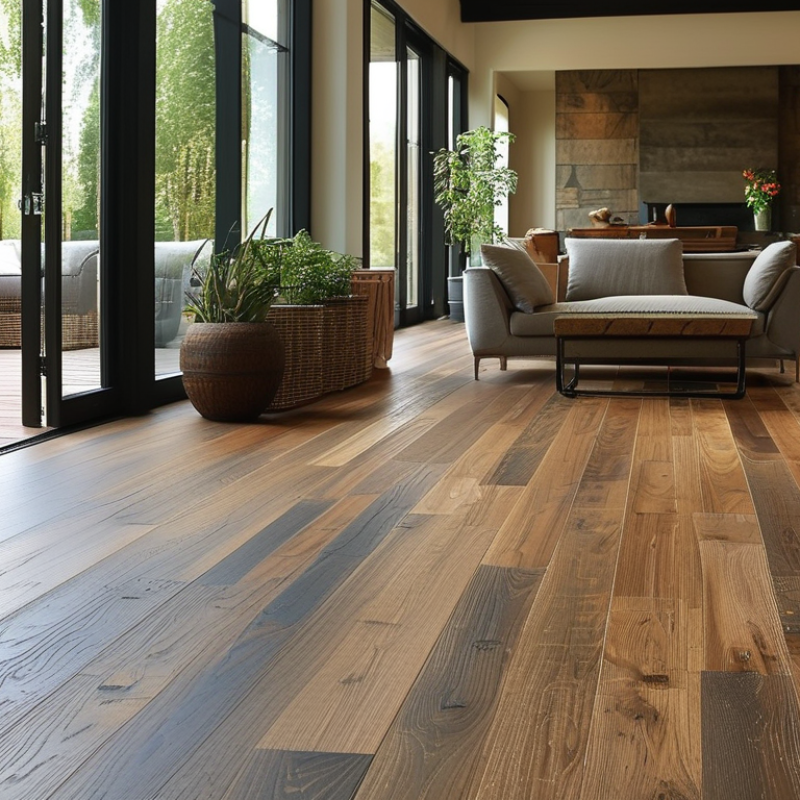
Meanwhile, aluminum tiles offer versatility and design options. These tiles can mimic the look of wood or stone, providing aesthetic appeal without sacrificing durability.
Aluminum planks are often used for outdoor decking and walkways. Their slip-resistant surfaces enhance safety in wet conditions.
Tips for selecting aluminum flooring include considering the installation environment. Assess whether the area is prone to moisture or heavy foot traffic.
Some finishes may require more maintenance than others. Additionally, consider your design preferences. The right color and texture can make a significant difference in the overall look.
It's also crucial to reflect on the lifetime value of the flooring. While the initial cost may be higher, the durability of aluminum may offset this over time.
The strength of aluminum reduces the need for replacements and repairs. However, ask questions about maintenance requirements to ensure it fits your lifestyle.
Advantages of Choosing Aluminum Flooring
Aluminum flooring has gained traction among global buyers due to its diverse advantages. It boasts high durability and resistance to wear. According to a report from the Global Aluminum Association, aluminum can withstand adverse weather conditions much better than traditional materials. This makes it ideal for outdoor applications and environments with high moisture levels.
Aluminum's lightweight nature adds to its appeal. It makes installation easier and reduces transportation costs. A study from the International Aluminum Institute indicates that aluminum flooring can reduce overall building weight by up to 30%. This significant reduction can lead to savings in structural support and materials.
Sustainability is another critical factor. Aluminum is 100% recyclable, aligning with eco-friendly practices. However, the energy consumption during aluminum production remains a concern. While it is better for the environment than many alternatives, the process still requires substantial energy. This paradox warrants reflection as the industry evolves toward greener solutions. Buyers should consider these factors while making informed decisions about aluminum flooring options.
Best Aluminum Floor Options for Global Buyers
The chart above highlights the key advantages of aluminum flooring based on various criteria, illustrating its strong performance in durability and maintenance compared to other flooring options.
Key Considerations for Global Buyers
When selecting aluminum floor options, global buyers must consider several key factors. The intended use of the flooring can significantly influence the choice. For instance, residential applications may not require as robust a solution as commercial environments, which demand higher durability and scratch resistance. Understanding the specific needs of each project helps guide the decision-making process.
Environmental conditions also play a critical role. Different climates can affect aluminum's performance over time. Buyers should assess temperature fluctuations and humidity levels to choose an appropriate finish. Additionally, the aesthetic aspect cannot be overlooked. Many prefer visually appealing designs that complement existing interiors, but balancing beauty with function is essential.
Buyers should also ponder the installation process. Some aluminum flooring options may require professional installation, while others can be DIY-friendly. Ensuring that the chosen solution is compatible with current flooring can save time and reduce costs. In this way, reflection on these considerations leads to more informed and satisfying purchasing decisions. Quality and sustainability should remain a priority in every choice.
Best Aluminum Floor Options for Global Buyers
| Option |
Durability |
Weight |
Cost (per sq. ft.) |
Installation Difficulty |
| Aluminum Composite Panel |
High |
Lightweight |
$8 |
Moderate |
| Extruded Aluminum Plank |
Very High |
Medium |
$10 |
High |
| Aluminum Tiles |
High |
Lightweight |
$6 |
Easy |
| Aluminum Decking |
Very High |
Heavy |
$12 |
High |
| Aluminum Honeycomb Panel |
High |
Very Light |
$9 |
Moderate |
Top Brands of Aluminum Flooring to Consider
When considering aluminum flooring, several brands stand out in the global market. These brands offer a variety of designs and performance characteristics that cater to diverse preferences and needs. A recent industry report shows that the global aluminum flooring market is expected to grow at a CAGR of 5.2% from 2021 to 2028. This growth is driven by increasing demand for lightweight and durable flooring solutions.
One key aspect that buyers should consider is the finish options available. Anodized aluminum surfaces provide enhanced protection against scratches and wear, extending the lifespan of the flooring. Furthermore, brand innovations in aluminum coatings show promising results. A recent study indicated that flooring with advanced coatings can increase resistance to stains by 30% compared to standard finishes.
However, selecting the right brand can be challenging. Many companies offer similar features, making differentiation difficult. Consumer reviews reveal mixed opinions on installation processes and customer service. Some users report difficulties with maintenance, impacting long-term satisfaction. Therefore, potential buyers should conduct in-depth research to identify brands that align with their expectations and requirements.
Installation and Maintenance Tips for Aluminum Floors
When considering aluminum floors, installation and maintenance are crucial factors. Proper installation begins with choosing a suitable subfloor. This ensures stability and longevity. Use a leveler if your subfloor is uneven. It affects how the aluminum will fit and function. Hire a professional if you're unsure. Doing it yourself might save money but can lead to mistakes.
Maintenance requires regular cleaning. A damp mop with mild detergent is effective. Avoid abrasive cleaners, which can scratch the surface. Additionally, inspect the floors for any signs of wear and tear. Small dents or scratches can develop over time. Addressing these issues early prevents further damage. Using protective pads under furniture legs is essential. It helps reduce scratches and maintains the floor's appearance. Reflect on your cleaning routine; if you notice wear, reassess your methods. Taking care of your aluminum floors ensures they last and look their best.