How to Choose the Best Metal Aluminum Awnings
Choosing the right Metal Aluminum Awnings starts with the space they need to cover. A patio door, shopfront, and upstairs window each create different demands for shade, clearance, and support. Measure the width and projection carefully, then note nearby gutters, lights, and doors. Measure twice.
Aluminum is relatively lightweight and does not rust like steel, but its performance still depends on alloy, thickness, finish, and construction. Ask how the frame is attached, what maintenance the finish needs, and whether the system is rated for local wind and snow conditions. Ratings vary, so avoid relying on a general product description alone. Check the details.
Think about water, too. A shallow slope or blocked drainage channel can send rain toward a wall or entrance. Color and style matter, but they should not outweigh safe mounting and useful coverage. A wide awning may look impressive in a catalog and feel awkward over a narrow walkway. That is easy to overlook.
Before comparing prices, confirm what the quote includes: brackets, fasteners, installation, and any required measurements or site checks. Ask for written specifications and clarify who handles installation. This guide explains the practical features to compare, from frame design and fabric or panel options to finish and upkeep. No single model fits every building, and a little uncertainty is normal. The better choice is the one that suits your site, climate, and daily use—not just the one with the most polished photos.
Understanding Types of Metal Aluminum Awnings
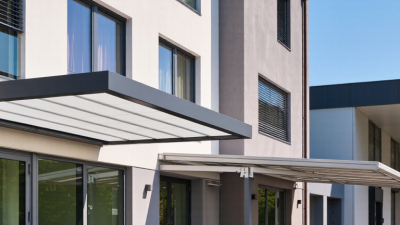
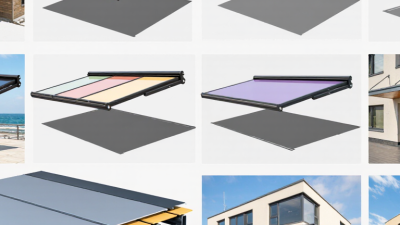
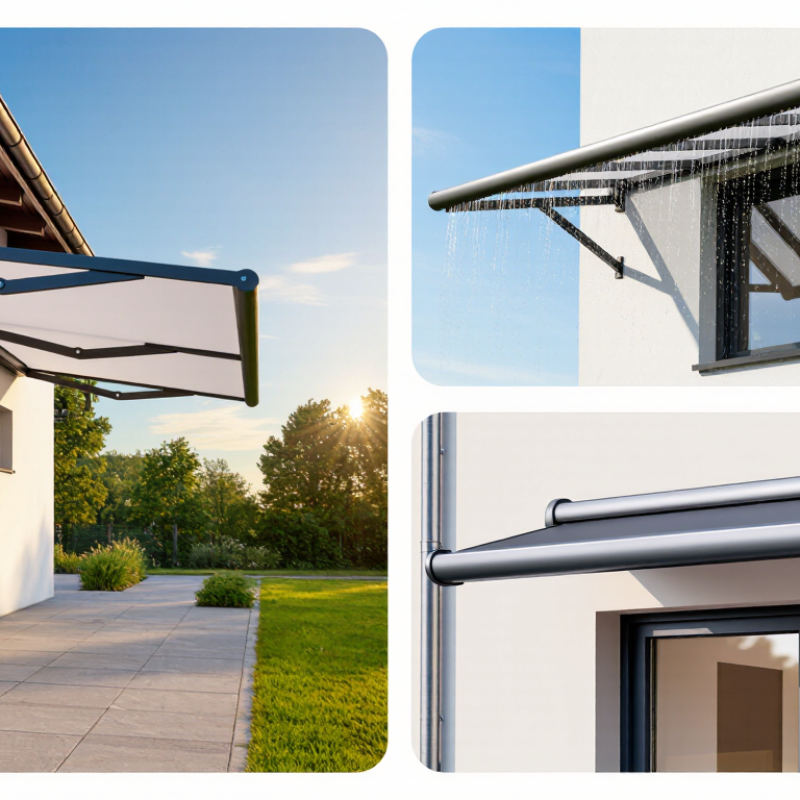
Metal aluminum awnings generally fall into three practical types: fixed-panel, adjustable-louver, and retractable systems. Fixed panels use rigid sheets or formed profiles, making them a straightforward choice for steady shade over a doorway or window. Adjustable louvers rotate to admit changing amounts of light and air. Their moving joints need occasional inspection. Retractable systems fold back when shade is unwanted, but their mechanisms add parts that may need maintenance.
Look closely at how each type handles rain, wind, and attachment. A fixed awning needs a clear drainage path; water should not collect against the wall. Louvers offer more control, though small gaps may let rain through. Retractable designs can be useful on patios, but their exposed frames and hardware deserve careful review. A product’s appearance alone tells you little.
Material weight also matters during selection. The Aluminum Association’s industry report, Aluminum: The Element of Sustainability, states that recycling aluminum uses about 95% less energy than producing primary aluminum. That figure describes material production, not an awning’s service life or performance. Ask for the frame and panel specifications, mounting details, and wind-load information for your site. I would not treat a generic rating as a guarantee; local exposure and installation quality can change the outcome.
Assessing Your Space, Climate, and Functional Needs
How to Choose the Best Metal Aluminum Awnings
Start with the space, not the catalog. Measure the window or patio, then mark door swings, gutters, vents, and the path people use. Awnings should shade the area without blocking a view or catching a door. Note which direction the opening faces, too. A sketch can deceive; check the dimensions again against the wall. Measure twice.
Climate changes the choice. The U.S. Department of Energy’s Energy Saver guidance says awnings can reduce solar heat gain through south-facing windows by up to 65%, and west-facing windows by up to 77%. Actual results vary with orientation, installation, and surrounding shade. In windy or snowy locations, check the structure’s rated loads and ensure the wall can support its anchors. For a coastal home, consider how salt and moisture may affect finishes. Comfort matters, but drainage and clearance matter as well.
Tips: Decide what the awning must do: cool a sunny room, shelter a table, or keep rain off an entry. Measure the shaded area at midday, when glare is strongest. Ask an experienced installer to assess the wall and local weather exposure before final sizing. I wouldn’t choose from appearance alone; a neat awning can still leave the afternoon sun on your chair.
Comparing Awning Materials, Frames, and Finishes
Metal aluminum awnings vary in panel thickness, frame construction, and surface finish. Aluminum panels resist rust and keep weight manageable, but thin sheets may flex or sound loud during heavy rain. Compare panel profiles and support spacing, not just the advertised material. A deeper profile can help shed water, while properly placed supports reduce movement.
Frames deserve equal attention. Aluminum frames are light and naturally corrosion-resistant, making them practical near coastal air. Steel frames can feel more rigid, but their protective coating needs careful inspection, especially around cut edges and joints. Check how the frame connects to the wall; sturdy brackets cannot compensate for weak mounting surfaces. Finishes also affect upkeep. A baked coating can help limit fading and scratches, though color samples may look different in direct sunlight. Small details matter. I would not choose by color alone.
Tips: Ask for panel and frame specifications, along with finish-care instructions. Look for even coating, sealed fasteners, and clear drainage paths. If you can, inspect a sample outdoors. A finish that seems perfect indoors may show dust, glare, or water marks more clearly outside. And one trade-off is easy to miss: darker surfaces can absorb more heat.
Evaluating Durability, Maintenance, and Building Requirements
Metal aluminum awnings resist rust better than many steel options, but durability still depends on design and installation. Strong sun can fade coatings, while coastal air may corrode exposed screws and brackets. Check the frame thickness, finish, and fastener material before comparing prices. A neat finish can still hide a weak attachment, so appearance alone is not enough. Ask how the awning handles local wind and snow loads, especially if it covers a doorway or large window.
Building requirements matter as much as the awning itself. Measure the wall space, note nearby windows and vents, and identify what the brackets will attach to. Brick, siding, and wood framing need different fastening approaches. Confirm that the wall can support the added load; a qualified installer can assess uncertain or older structures. Local rules may also require permits or specify setback and projection limits, so check before ordering. These details can feel tedious, but overlooking them may mean costly changes later.
Tips: Rinse the awning with mild soap and water, then inspect joints and fasteners each season. Avoid abrasive pads that may scratch the finish. Small details matter. Keep a record of the coating-care instructions, and ask what maintenance the manufacturer recommends for your climate.
Choosing the Right Awning Size and Installation Method
Choosing the right size starts with the window and the space around it. Measure the frame width, then check how far the awning can project without blocking doors, paths, or nearby windows. For useful shade, consider the sun’s direction and the hours when heat is strongest. The U.S. Department of Energy’s Energy Saver guidance says awnings can reduce summer solar heat gain by up to 65% on south-facing windows and 77% on west-facing windows. These figures are not guarantees; orientation, projection, and local conditions matter. Measure twice.
For installation, confirm what the wall is made of before choosing brackets. Masonry, timber framing, and cladding need different fixing points, and fasteners should reach sound structural material rather than thin surface panels. A wall-mounted awning often suits a clear façade, while a roof-mounted option may help when wall space is limited. Check clearance above doors and windows, drainage paths, and exposure to wind. A large projection may shade more glass, but it also puts greater force on its supports. That trade-off is easy to underestimate. Have the mounting surface and fixings assessed by a qualified installer, especially on older or altered buildings. Keep the measurements and fixing details; they are useful, even if the first plan needs revision.