Top 10 Aluminum Veranda Designs for Global Buyers?
In the world of outdoor design, the Aluminum Veranda stands out as a blend of functionality and style. Its lightweight yet durable nature provides an ideal solution for homeowners worldwide. This structure not only enhances living space but also offers a comfortable retreat for relaxation. However, selecting the right design can be challenging. Each region has unique styles and preferences, which can complicate the decision-making process.
A well-designed Aluminum Veranda not only adds aesthetic value but also caters to practical needs. Global buyers seek a mix of elegance and robustness in their choices. Yet, with so many options available, it's essential to reflect on what truly fits your lifestyle. Some designs may look appealing but lack functionality for everyday use. Others, while practical, may not resonate with personal tastes. Finding the right balance is key.
This article presents the top 10 Aluminum Veranda designs, considering diverse tastes and climate conditions worldwide. Each option reflects contemporary trends and timeless elegance. By exploring these designs, buyers can gain insights into what works best for their spaces, enhancing both beauty and usability.
Top Trends in Aluminum Veranda Designs for 2023
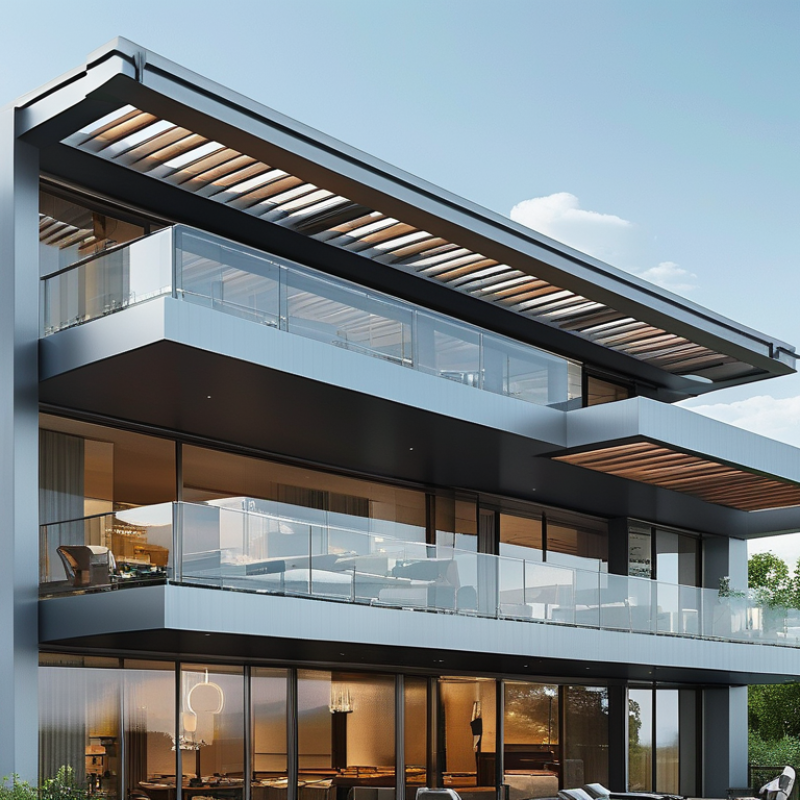
As we look into 2023, aluminum verandas are showcasing exciting trends. One notable design is the incorporation of biophilic elements. These designs bring nature closer to home.
Large glass panels that frame natural scenery are becoming popular. They add a sense of openness and lightness.
Another trend is modular constructions. This allows homeowners to select components that fit their specific needs. Customizable features cater to various aesthetics and functionality.
Many ventures focus on eco-friendly materials too. Recycled aluminum is gaining traction, emphasizing sustainability without compromising on style.
Furthermore, minimalism is redefining veranda layouts. Clean lines and a restrained palette help create a calm ambiance. However, achieving a minimalist design can be challenging. Striking a balance between simplicity and warmth takes time.
Homeowners should engage in thoughtful selection, ensuring each piece adds value. The interplay of design, functionality, and nature will continue to shape aluminum verandas this year.
Material Benefits: Durability and Low Maintenance of Aluminum
Aluminum verandas are growing in popularity due to their impressive benefits. One major advantage is durability. According to the Aluminum Association, aluminum can withstand extreme weather conditions. It resists rust and corrosion, ensuring a long lifespan. Homeowners can enjoy their verandas for decades with minimal wear.
Low maintenance is another key feature. Unlike wood, aluminum does not require ongoing painting or sealing. This translates to reduced upkeep costs over time. A study by the National Association of Home Builders indicates that maintenance costs for aluminum installations are 30% lower than for traditional materials. Homeowners can focus on enjoying their space rather than constant repairs.
However, some buyers may express concerns about imperfections in design aesthetics. While aluminum can be stylish, it may not match the natural appeal of wood. This is an area for continued improvement in the industry. Manufacturers are exploring innovative finishes to address these concerns, making aluminum more visually appealing and versatile for various designs.
Comparative Cost Analysis: Aluminum Verandas vs. Wood and PVC
When choosing a veranda, materials play a crucial role in overall cost and longevity. Aluminum verandas are increasingly popular due to their strength and low maintenance. According to a recent market study, the average cost of an aluminum veranda ranges from $50 to $100 per square foot. This makes it a competitive option compared to wood and PVC, which can cost between $75 to $150 per square foot. The price difference often stems from installation and long-term upkeep.
Durability is another important factor. Aluminum resists rust and decay, often lasting decades. In contrast, wood requires regular treatments to prevent rot and insects. A survey noted that homeowners spent around 20% more annually on maintenance for wooden verandas than for aluminum ones. This reflects a significant investment in time and resources that many buyers overlook. Conversely, PVC is lightweight and offers good resilience but can warp in extreme temperatures, potentially leading to replacement costs.
The initial expense is just one concern. Long-term return on investment (ROI) should also be considered. Aluminum verandas generally provide a better ROI due to their longevity and minimal upkeep. Buyers must balance aesthetics, durability, and budget while considering these factors. A recent analysis showed that 70% of homeowners regretted choosing cheaper materials due to subsequent costs and repairs. Understanding these dynamics is essential for making an informed decision.
Top 10 Aluminum Veranda Designs for Global Buyers
| Design |
Material |
Estimated Cost (per sq ft) |
Durability (Years) |
Maintenance Level |
| Modern Minimalist |
Aluminum |
$50 |
25 |
Low |
| Classic Elegance |
Wood |
$60 |
15 |
Medium |
| Sleek and Stylish |
PVC |
$45 |
20 |
Low |
| Rustic Retreat |
Wood |
$70 |
10 |
High |
| Contemporary Charm |
Aluminum |
$55 |
30 |
Low |
| Luxurious Loft |
PVC |
$65 |
25 |
Medium |
| Nature-Inspired |
Wood |
$75 |
12 |
High |
| Sophisticated Outdoor |
Aluminum |
$52 |
28 |
Low |
| Vintage Vibe |
PVC |
$48 |
20 |
Low |
| Elegant Enclosure |
Aluminum |
$60 |
25 |
Medium |
Regional Preferences: Aluminum Veranda Styles Across Different Cultures
Aluminum veranda styles vary greatly across cultures. In Europe, sleek lines and minimalist designs dominate. These verandas often feature large glass panels. This allows for abundant natural light and a seamless connection to the outdoors. The European preference leans towards functionality and elegance. Bright colors are less common, with a focus on neutral tones.
In contrast, Asian styles often emphasize intricate decor. Colors and patterns play a significant role. Bamboo and wood accents frequently accompany aluminum structures. This blend creates a harmonious aesthetic that reflects nature and tranquility. Additionally, Middle Eastern designs lean toward grandiosity. Large spaces with elaborate details are common. The focus is on creating an inviting outdoor retreat.
However, some designs face criticism for lacking originality. Many homeowners struggle to find unique solutions. After all, personal expression in home design is crucial. Balancing traditional and modern elements can be challenging. Each culture's preference offers insights into their environmental adaptations. It raises questions about future design trends. Can new preferences emerge while respecting existing traditions?
Sustainability in Design: Eco-Friendly Aluminum Veranda Options
Aluminum verandas are increasingly popular for their sustainability and modern aesthetic. Using aluminum not only offers durability but also contributes to eco-friendliness. This material is endlessly recyclable, which means it reduces the demand for new resources. By choosing aluminum, you can create beautiful outdoor spaces while minimizing your carbon footprint.
When designing your aluminum veranda, consider incorporating energy-efficient features. Installing solar panels can help power your outdoor lighting. This not only cuts energy costs but also highlights your commitment to sustainability. Utilize aluminum frames that use minimal energy in production. Look for options that use recycled aluminum, which can further enhance your environmental responsibility.
Here are some tips for an eco-friendly aluminum veranda design: Select lower-impact finishes, like powder coating, which reduces toxic emissions. Also, consider natural landscaping to complement your space. Native plants require less water and support local wildlife. Remember, the goal is to blend beauty and sustainability while creating a space that feels right for you. Keep researching and learning about new eco-friendly materials and designs.