Leave Your Message

What Is an Aluminum Banister Used For?

An aluminum banister is more than a finishing detail. It helps guide people along stairs, balconies, ramps, and raised platforms while creating a clear visual boundary. On a staircase, a securely mounted handrail gives a person a steady point to grasp. Along a deck edge, the surrounding railing can help define the space and reduce the chance of an accidental step beyond it.

The right design depends on where the banister will be installed. A narrow stairwell may call for a slim profile that leaves more room for movement. A balcony may need a fuller railing arrangement, with posts, infill, and a top rail working together. Aluminum is often selected for its relatively low weight, corrosion resistance, and modest maintenance needs. Still, material alone does not guarantee performance. Connections, installation quality, finish, and routine inspection all matter.

Look closely at the details. A smooth rail feels comfortable in the hand; a loose fitting does not. A durable finish can help the surface withstand weather, though scratches and wear should not be ignored. Before choosing a system, consider who will use it, how it will be exposed, and what the structure can support.

This guide explains the practical uses of an Aluminum Banister, the settings where it may be suitable, and the features worth checking before purchase. No source was provided for a named industry expert’s quotation, so I have not invented one; a verified quote can be added from a traceable interview or publication.
What Is an Aluminum Banister Used For?

What an Aluminum Banister Is

What an Aluminum Banister Is

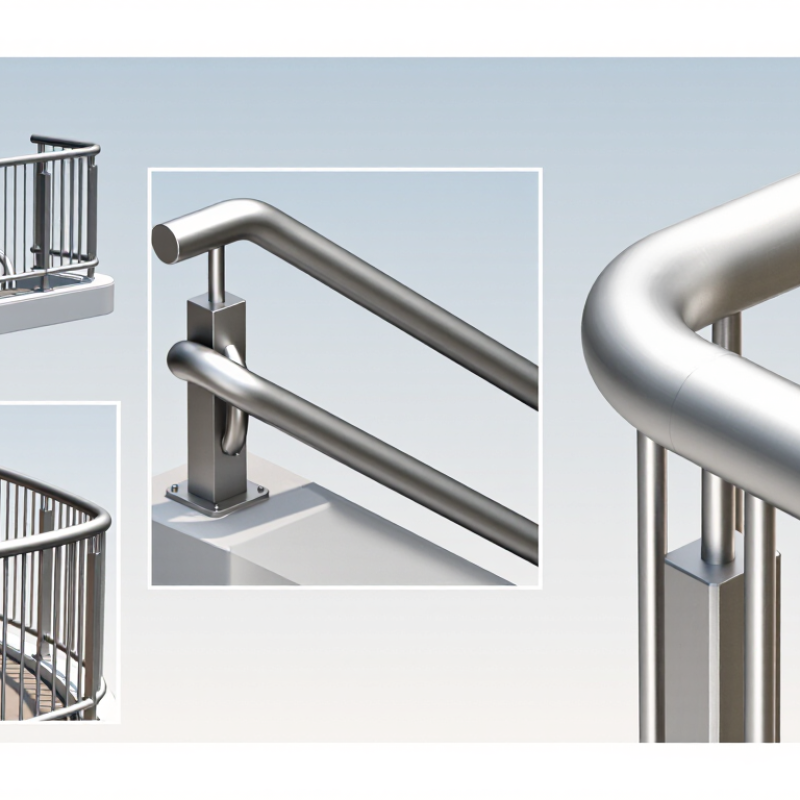
An aluminum banister is a handrail system made from an aluminum rail and supporting posts or balusters. It creates a graspable edge beside stairs, ramps, balconies, decks, or raised walkways. The rail gives people a steady point to hold while moving. Infill between the posts helps define the open edge and may prevent people from passing through. Some designs use slim pickets; others pair the frame with glass or panels. Aluminum is lightweight and resists rust, but its finish can still scratch or wear.

A banister is more than its top rail. Posts, brackets, fasteners, and the surface beneath them all contribute to stability. A loose connection can make a sturdy-looking rail unsafe. Installation should suit the building surface and intended use. When anchoring is uncertain, consult a qualified installer. Building requirements differ by location, so check rail height and opening dimensions before choosing a system. Small details matter. They’re easy to miss.

Tips: Run your hand along the rail and check for sharp edges or movement. Inspect the fasteners from time to time, especially outdoors. Salt, grit, and repeated impacts can wear the finish. Even a solid-feeling banister needs occasional attention.
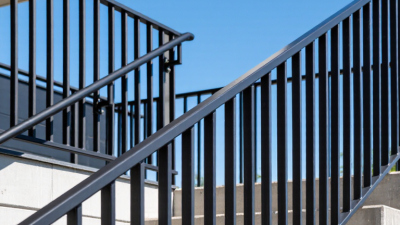
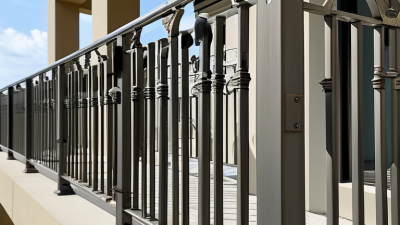
How Aluminum Banisters Support Movement and Prevent Falls

An aluminum banister gives people a steady point to hold while climbing or descending stairs. It also marks the edge of a deck, balcony, or raised walkway, helping people recognize where a misstep could become a fall. A handrail supports movement; a guardrail provides a barrier. Some systems do both.

The World Health Organization’s Falls fact sheet reports about 684,000 fatal falls worldwide each year, and 37.3 million falls require medical attention.

A well-designed rail cannot prevent every fall, but it can offer useful support at a vulnerable moment. A small wobble deserves attention.

Dimensions and installation matter. The 2021 International Building Code generally specifies a 34-to-38-inch handrail height above stair nosings and a 42-inch minimum for many guards. Local requirements can differ, so confirm the rules that apply to the site.

The code also limits openings in many guards to prevent a 4-inch sphere from passing through, with specific exceptions. Aluminum is relatively light and resists corrosion when properly finished, but the posts, fasteners, and supporting surface still need to be sound.

Check for loose connections, sharp edges, and movement during routine maintenance. Even a sturdy-looking rail can fail if it is poorly anchored.

Where Aluminum Banisters Are Commonly Installed

Where Aluminum Banisters Are Commonly Installed

Aluminum banisters appear along indoor staircases, exterior steps, balconies, decks, and accessible ramps. In a home, they provide a steady handhold beside narrow stairs or open landings. Their relatively light weight can make handling and installation easier, especially on upper floors. A continuous rail feels reassuring. Small details matter.

Outdoors, aluminum is often chosen for porches and decks because it resists rust better than ordinary untreated steel. On a balcony, slim vertical balusters can preserve sightlines while helping create a protective barrier. For best results, posts must be anchored securely to the structure, not just to decorative boards. This is easy to overlook. Finishes and fasteners also need to suit the local exposure; salt air and trapped moisture can wear components over time.

Commercial buildings may use aluminum rails in stairwells, corridors, and platform edges, where frequent contact makes sturdy fittings important. A suitable design depends on the setting, expected use, and applicable building requirements. Measurements should be checked before installation, since uneven steps or awkward corners can leave gaps or uncomfortable transitions. Aluminum is practical, but it is not maintenance-free. Periodic checks can catch loose fittings, damaged coatings, or movement at the posts.

How Aluminum Banisters Serve Safety and Accessibility Needs

An aluminum banister gives people a steady point of contact beside stairs, ramps, and raised walkways. Its smooth, firm rail can help someone balance while stepping up or down, especially when their hands are carrying a bag or their footing feels uncertain. A useful rail is easy to reach and comfortable to grip. Cold metal can feel less welcoming in winter, though, so placement and finish matter.

Aluminum is relatively light and resists rust, making it practical for indoor and outdoor installations. The rail must still be anchored firmly to suitable posts or a wall; a strong-looking surface is not proof of a secure fitting. Check for loose brackets, sharp edges, and gaps that could catch clothing or fingers. Small details matter. For people with limited mobility, a continuous handrail can make a route easier to navigate, but it cannot replace a properly designed ramp or other access features. Requirements vary by location and building, so measurements should be checked against applicable accessibility guidance. I have seen how a rail can build confidence, yet confidence should never depend on a wobbly fixing.

How Design and Durability Shape Their Uses

An aluminum banister guides a hand along stairs, ramps, balconies, and raised walkways. Its design shapes how comfortably and safely people move. A round, smooth handrail feels different from a wide, flat profile, especially when hands are wet or cold. Height, grip shape, and the spacing of infill bars matter as much as appearance. Small details count.

Aluminum’s low weight makes long railing sections easier to handle and install than many heavier metal alternatives. Its natural oxide layer helps resist corrosion, while powder coatings add color and another protective surface. But aluminum is not maintenance-free. Scratches can expose the surface, and coastal salt may accelerate corrosion around joints or fasteners. Inspect those spots.

The International Aluminium Institute’s Global Aluminium Cycle data estimates that about 75% of all aluminum ever produced remains in use. That long service life reflects the material’s durability and recyclability, but it does not guarantee every banister will last equally long. Poor drainage, loose fixings, or a slippery handrail can undermine a sound design. For an outdoor balcony, choose finishes and connections suited to local exposure; for a busy stair, prioritize a secure grip and rigid posts over decorative detail.

What Is an Aluminum Banister Used For? - How Design and Durability Shape Their Uses

Location or Application Primary Use Design Considerations Durability Considerations
Interior staircases Provides a graspable handrail and helps guide people up and down stairs. Choose a profile and finish that suit the interior. Check that the rail is comfortable to grip and installed at the required height. Indoor exposure is generally limited, but the rail and its connections still need to withstand regular use and cleaning.
Exterior stairs and entryways Offers support and helps reduce the risk of a fall at steps and changes in level. Use a finish and rail configuration suited to the building exterior; ensure posts and handrails are securely anchored. Aluminum forms a protective oxide layer and does not rust like iron or ordinary steel. Coatings can add protection and color, but scratches and fasteners should be checked over time.
Decks, porches, and balconies Acts as a guard along an exposed edge and can help define an outdoor living area. Open balusters, horizontal elements, or glass infill create different views and levels of privacy. Local rules determine required guard height and opening limits. Aluminum is relatively lightweight and weather-resistant. Coastal salt exposure can still cause corrosion, so suitable finishes, compatible fasteners, and routine inspection matter.
Ramps and accessible routes Provides a continuous handhold to assist people moving along a sloped route. Handrail continuity, clearance, extensions, and height should be planned around applicable accessibility and building requirements. Outdoor ramps may face rain, temperature changes, and frequent contact. Inspect mounting points and the rail surface for looseness or damage.
Poolside and other wet areas Can provide a barrier or handhold near steps and elevated edges where permitted by the site design. Specify a suitable finish and avoid designs that conflict with pool barriers or other safety requirements. Chlorinated water, salt, and some cleaning chemicals can be aggressive to metals and finishes. Select materials for the exposure and rinse or maintain surfaces as recommended.
Commercial and public buildings Supports circulation on stairs, ramps, balconies, and walkways used by many people. Design should coordinate with the building’s use, expected traffic, accessibility needs, and applicable codes. Durability depends on the complete assembly—not only the rail—including post spacing, connections, anchors, finish, and maintenance.

Planning note: Required handrail and guard dimensions vary by location and application. Confirm local building and accessibility requirements before selecting or installing an aluminum banister.