A Chain Link Fence is often chosen for a simple reason: it protects a space without hiding it. Its open mesh keeps sightlines clear, lets sunlight reach the yard, and makes it easy to see a gate from the kitchen window. For homeowners, schools, and commercial sites, those small details can matter every day.
The market is substantial, though broad market figures should not be mistaken for chain-link-specific data. Grand View Research estimated the global fencing market at about US$31.5 billion in 2023 and projected continued growth through 2030. That report covers multiple fence types and materials. It signals demand, not proof that chain link suits every property. ASTM International’s F1043 specification also provides a technical reference for strength and protective coatings in industrial steel fence frameworks. Standards help buyers ask better questions about materials and performance.
A galvanized finish can resist corrosion, while vinyl-coated mesh adds color and another protective layer. Still, the finish, wire gauge, posts, and installation all affect how the fence performs. The trade-off is visible: chain link offers little privacy unless screening is added, and screening may increase wind exposure. No fence is perfect.
A credible named expert quotation cannot be verified from the material provided, so I won’t invent one. Before choosing, compare site conditions, upkeep, visibility, and the actual product specifications—not just the price on the estimate.
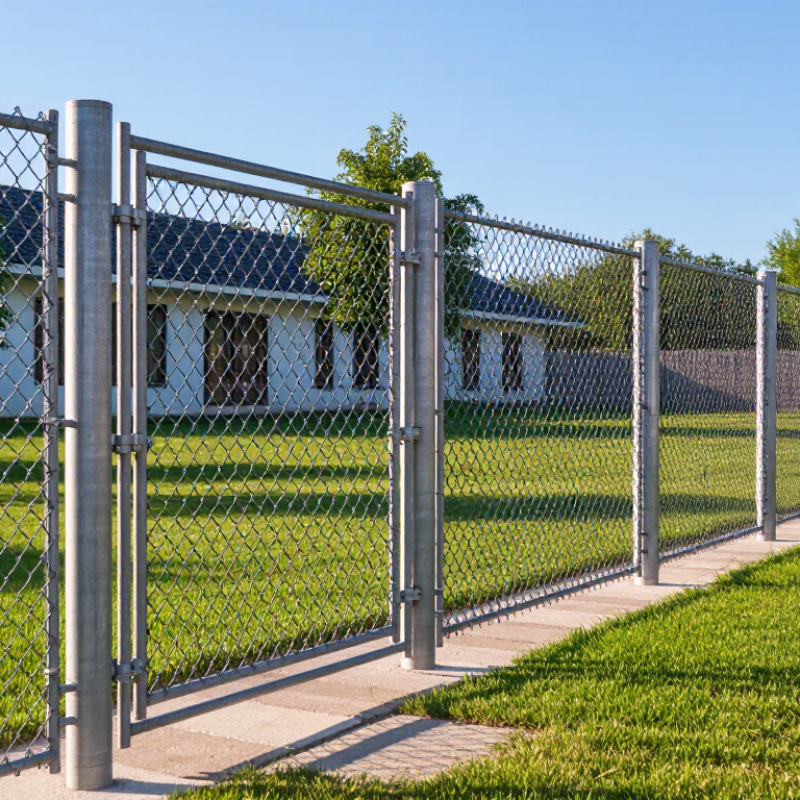
A chain link fence is a woven barrier made from steel wires bent into repeating diamond shapes. The wires form a mesh, while vertical posts and horizontal rails support the structure. Many fences use galvanized steel or a protective coating to slow corrosion. The open pattern lets air and light pass through, and keeps the area beyond visible. Simple, but useful. Mesh size, wire thickness, and fence height can vary with the site and the level of containment needed.
Installers set the posts, attach the mesh, then stretch it evenly along the rails. Uneven tension can leave waves or loose sections, so alignment matters. Chain link fences are common around yards, gardens, play areas, and work sites because they mark boundaries without blocking views. They provide little privacy, though, unless screening is added. Screening can catch wind and place extra strain on the fence. Coatings may wear, especially near cut edges or in damp, salty air, so occasional checks can reveal rust early. The fence is practical, but not flawless; its open look may feel stark beside a home, a detail that is easy to overlook when comparing materials.
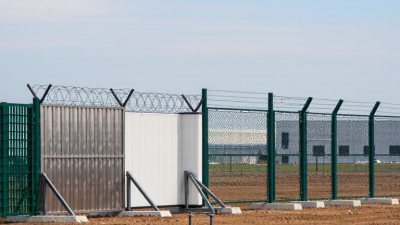
Chain-link fabric begins as steel wire, drawn to a consistent diameter and woven into repeating diamond openings. Galvanizing adds a zinc layer to help resist corrosion; some fabric receives an additional polymer coating. ASTM A392 classifies zinc-coated chain-link fabric and specifies coating levels. Its listed minimums include 1.2 and 2.0 ounces per square foot, depending on wire size and coating class. That detail matters. A fence beside salty spray or wet soil may need a different coating choice than one in a dry yard.
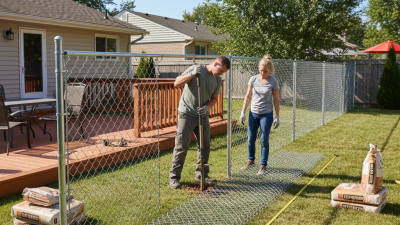
Installation starts with measured corners, tensioned string lines, and holes deep enough for the site’s soil and frost conditions. Crews set terminal posts in concrete, align line posts, then attach tension bars and stretch the fabric evenly. ASTM F567 provides standard installation practices for chain-link fencing. Even good materials can sag if posts are misaligned or fabric tension is uneven. Small errors show. Gates need extra care: check their swing and latch clearance before the concrete sets. A tidy sketch helps, but it cannot reveal buried rock or shifting ground; a site check can still miss something. Measurements and post spacing should be confirmed on-site before the fabric is cut.
| Feature or Stage | Typical Details | How It Is Made or Installed | Why It Matters |
|---|---|---|---|
| Fence fabric | Interwoven steel wires form a diamond-pattern mesh. A 2-inch mesh opening is common for many general-purpose fences. | Wire is shaped into repeated bends and linked to neighboring wires to create a continuous roll of mesh. | The open weave provides visibility and airflow while creating a practical boundary. |
| Wire and coating | Common finishes include zinc-coated (galvanized) steel and vinyl-coated steel. Wire gauge and coating specifications vary by product. | Steel wire is formed into mesh; depending on the product, it is galvanized before or after weaving, or receives a protective polymer coating. | Protective coatings help limit corrosion. The suitable finish depends on the site conditions and maintenance expectations. |
| Posts and framework | A typical system uses larger terminal posts at corners, ends, and gates, with line posts between them. A top rail may be included. | Posts are aligned along the fence line and set in the ground; concrete is commonly used, subject to soil and local requirements. | The framework supports the mesh and helps keep the fence aligned and tensioned. |
| Common residential dimensions | Residential fence heights often range from 4 to 6 feet. Line-post spacing is commonly about 8 to 10 feet, depending on the system and site. | The layout, height, post spacing, and gate locations are measured and planned before installation. Specifications should follow the chosen fence system and local rules. | A range of heights and layouts makes the fence adaptable to yards, gardens, and other properties. |
| Mesh attachment and tensioning | Fittings typically include tension bars, tension bands, and ties or clips suited to the fence system. | The mesh is attached at a terminal post, stretched along the framework, and secured to the posts and rails with the appropriate fittings. | Proper tension and secure attachment help the fabric remain upright and reduce sagging. |
| Practical advantages | The mesh is open, relatively lightweight compared with many solid fence styles, and available in different heights and finishes. | After the posts and framework are in place, rolls of fabric can be fitted to the prepared fence line and adjusted to its layout. | Chain link can provide a clear boundary without substantially blocking views or airflow. Actual cost, durability, and installation time depend on the project. |
Dimensions and construction details are typical examples, not universal specifications. Check product requirements, site conditions, and applicable local codes before installation.
Why Choose a Chain Link Fence?
Key Benefits of Choosing a Chain Link Fence
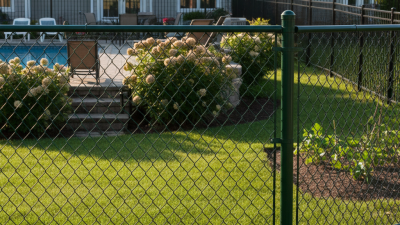
A chain link fence provides a clear boundary without blocking views. Its open mesh lets sunlight and breezes pass through, which can help gardens feel less enclosed. You can see a gate, path, or play area from across the yard. That visibility is useful, though it does not provide much privacy. The fence is also often less expensive than solid wood or masonry, depending on height, wire gauge, and installation conditions.
Galvanized or coated steel can resist rust, but the finish and local climate matter. Check cut ends, ties, and gate hinges now and then; small damage is easier to address early. Less routine painting. Properly set posts and evenly tensioned mesh help the fence stay straight, especially on uneven ground. Installation is relatively simple, but rocky soil or sloped terrain can add work. One honest drawback: the industrial look can feel stark beside a carefully planted garden. A hedge or climbing plants may soften it, though they require their own upkeep.
Chain-link fencing suits places that need clear boundaries without blocking visibility. Parks use it around sports courts, playgrounds, dog runs, and maintenance areas. Staff can see through the mesh, and breezes pass freely. Visibility matters. The National Recreation and Park Association’s 2024 Agency Performance Review reports that the median local park agency manages 10.6 acres of parkland per 1,000 residents. That scale helps explain why parks need practical ways to separate public areas from service zones.
Farms may use chain link around smaller animal pens, garden plots, equipment yards, or loading areas. The USDA’s 2022 Census of Agriculture counted about 1.9 million farms across 880 million acres. That report does not identify fence types, so it cannot show how widely chain link is used. Still, it gives useful context for the varied sites that need dependable enclosures. The details matter.
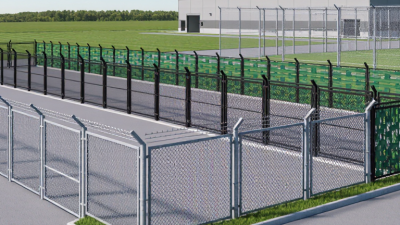
Schools, warehouses, and utility sites also use chain link to define access points and protect outdoor equipment. Galvanized or coated mesh can suit different exposure conditions, but gates, posts, and installation quality affect performance. Chain link is not ideal where privacy is essential, and its open weave can feel stark beside a home or garden. A site visit helps determine whether the visibility and security trade-offs make sense.
Why Choose a Chain Link Fence?
Factors to Consider Before Choosing One
A chain link fence can suit yards that need clear boundaries without blocking sightlines. Before choosing one, measure the full run, including gates and corners. A small measuring error can leave awkward gaps. Check the ground, too. Soft soil may need deeper, well-set posts, while rocky ground can complicate installation. A sloped yard may require stepped sections or a carefully adjusted bottom edge.
Think about wire gauge, mesh size, and finish. Heavier wire generally resists bending better, but it can cost more and may be harder to handle. Smaller openings can help contain pets, though a determined animal may still climb or dig. Galvanized steel is common; coated finishes change the appearance and may help limit surface corrosion. Ask how the fence may hold up in your local weather, especially near salty air or frequent moisture.
Privacy is another trade-off. The open mesh lets breezes pass, but it does little to screen people or noise. Slats can add coverage, yet they catch more wind and change the fence’s look. It is easy to underestimate how visible a plain fence feels beside a patio. That may not bother everyone. Gates matter, too. Check width, latch height, and daily access before settling on a layout. Installation quality matters; loose posts can lean after repeated pressure or shifting soil.